Challenging Glass Proceedings now in the DOAJ
2021-11-22
The application submitted for "Challenging Glass Conference Proceedings" has been accepted for inclusion in DOAJ.
Read more about Challenging Glass Proceedings now in the DOAJ
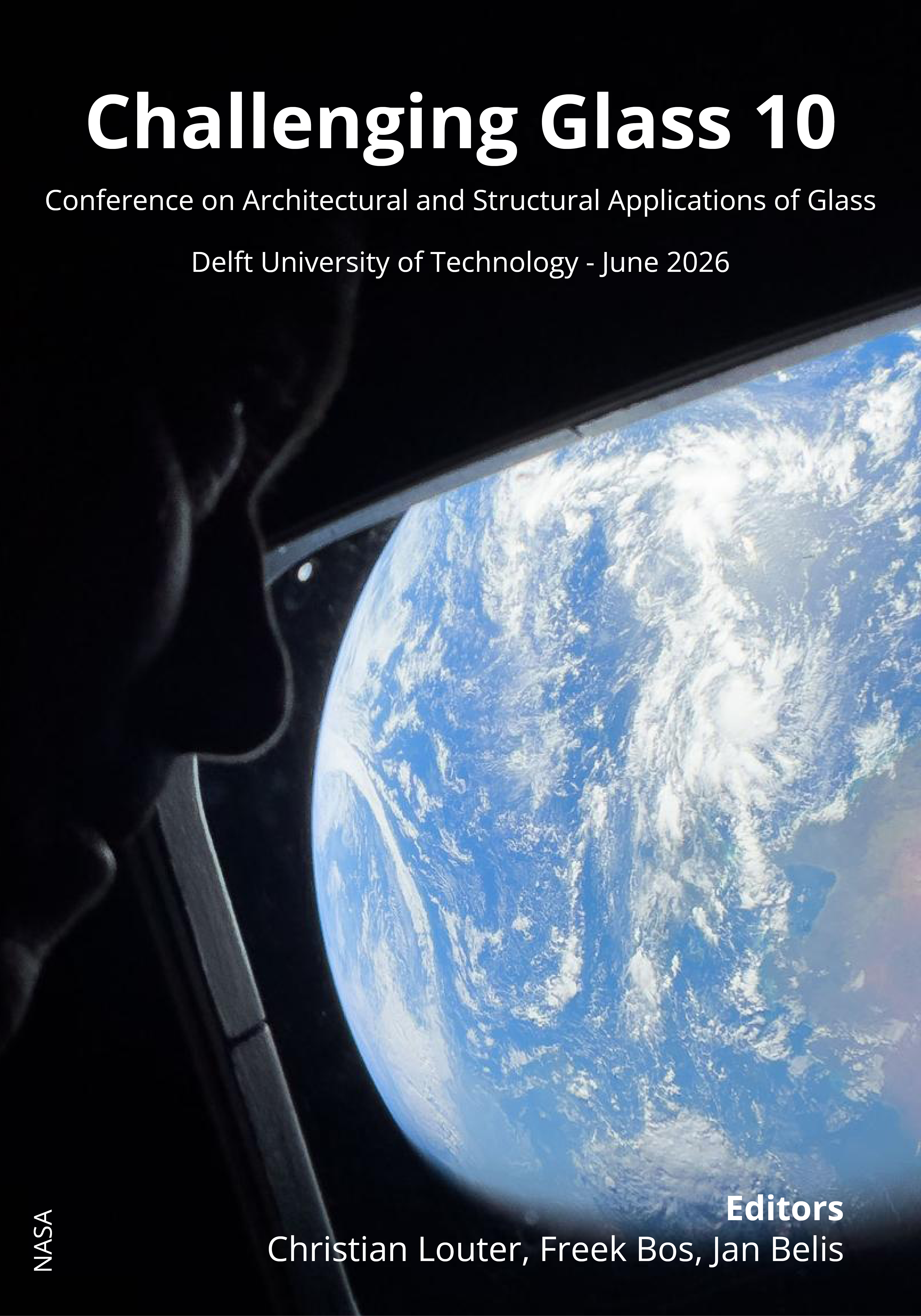
Proceedings of the Challenging Glass Conference 10
15 - 17 June 2026, Delft University of Technology, The Netherlands
Organisers
Prof. Christian Louter (TU Delft), Dr Freek Bos (TU Munich), Prof. Jan Belis (Ghent University)
Co-Hosts
Prof. James O'Callaghan (TU Delft), Prof. Mauro Overend (TU Delft), Dr Fred Veer (TU Delft)
Cover image credits: NASA, Artemis II mission

Welcome at Challenging Glass – Anniversary Edition!
It is with great pleasure and pride that the 2026 edition will be a milestone marking the tenth edition of our – meanwhile renowned – international conference. We welcome you at the same location where back in 2008 CGC was started by some of us as young PhD researchers: at Delft University of Technology.
Especially for this occasion we kick off with a celebration event on Monday evening, with special attention not only to the conference’s Anniversary, but also to the latest progress in standardisation, to two newly...
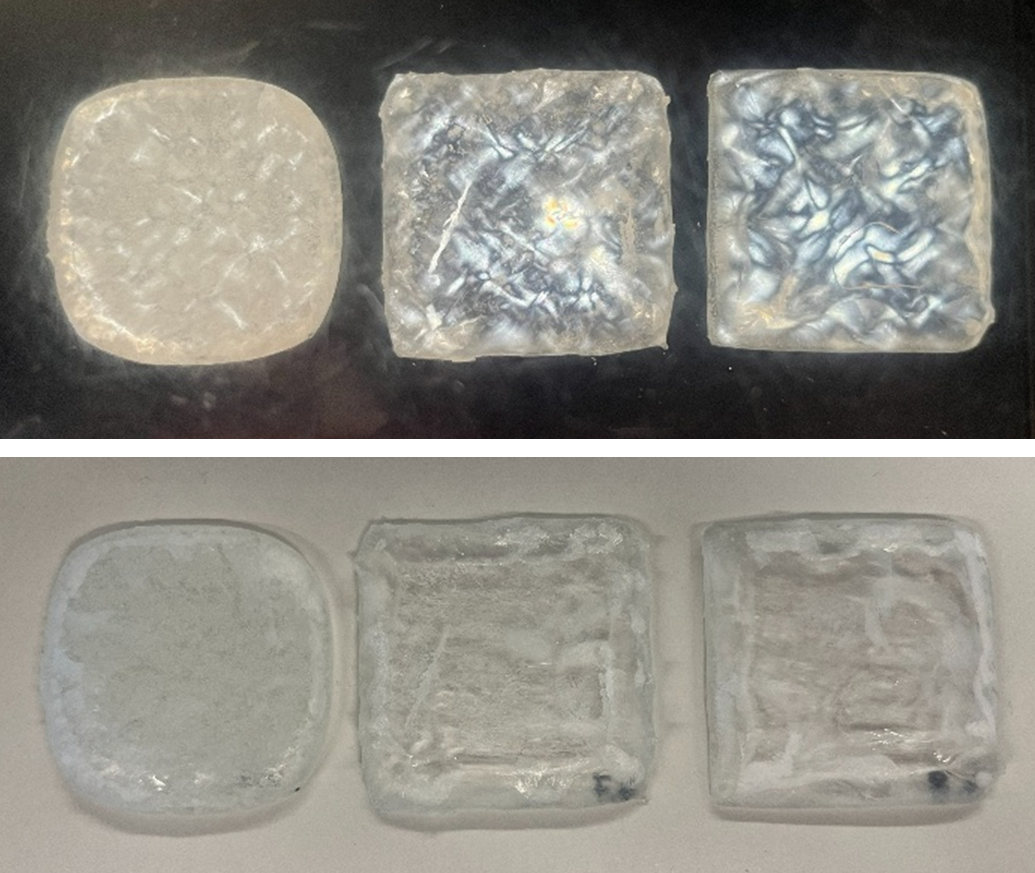
In glass melting, combining glasses with differing coefficients of thermal expansion (CTE) and viscosity can generate stresses and cracking. In recycling contexts, however, full separation of glass types is sometimes challenging or economically unviable. This study examines how the processing parameters cullet size, peak temperature and dwell time influence the tolerance of mixed‑glass systems to CTE and viscosity mismatches in a casting setup, with the aim of clarifying stress‑relief mechanisms and miscibility effects. Pairs of glasses were cast in investment moulds, making tiles of 50...
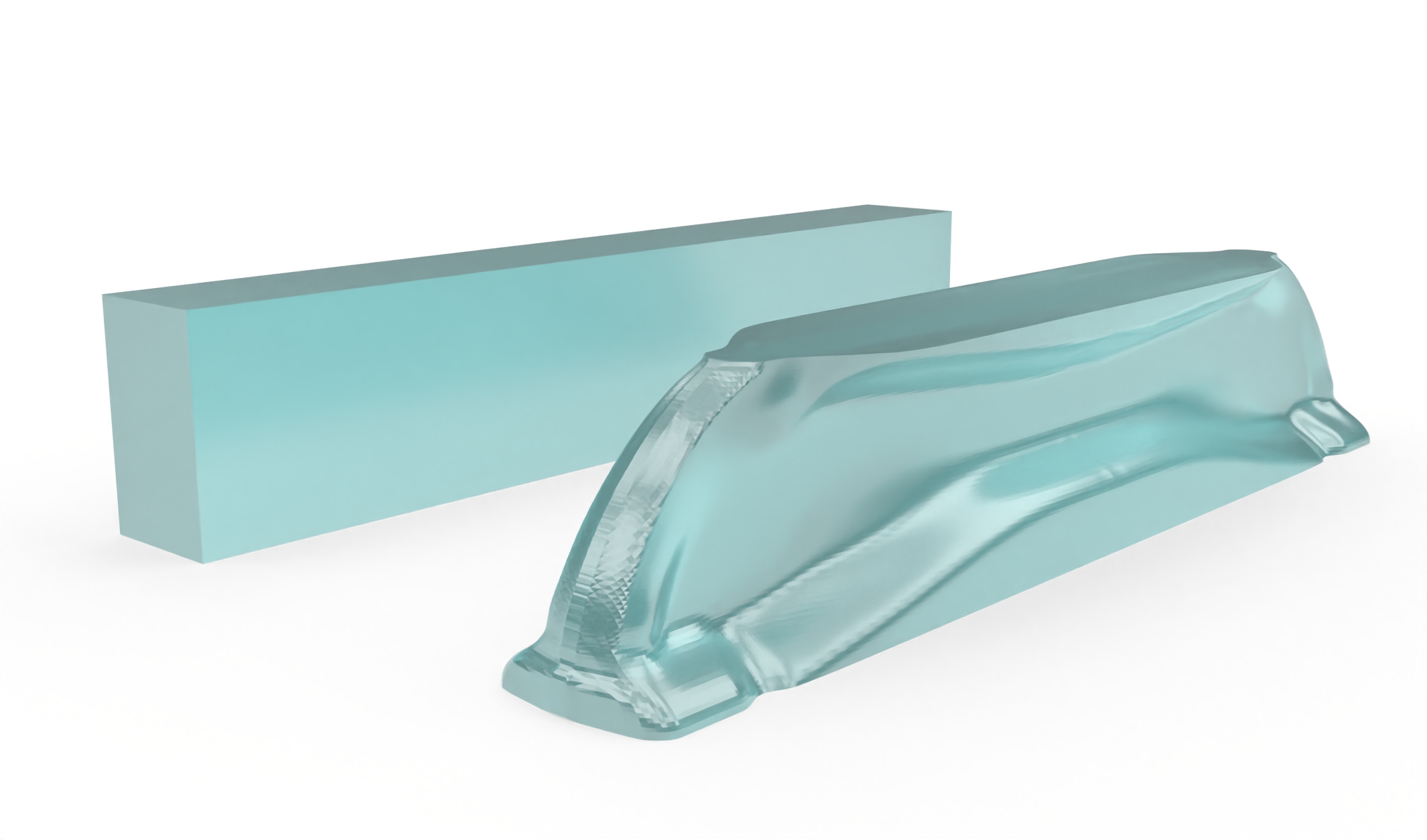
Cast glass offers vast forming potential, enabling the creation of expressive three-dimensional structural components that can effectively exploit the material’s high compressive strength. Yet, despite these advantages, massive cast glass elements remain largely unexplored in architecture. The primary obstacle lies in the exceptionally long annealing times required, which increase exponentially with the thickness and mass of the components, rendering them in turn economically unfeasible for architectural use. Topology optimization has been suggested as a computational design method to...
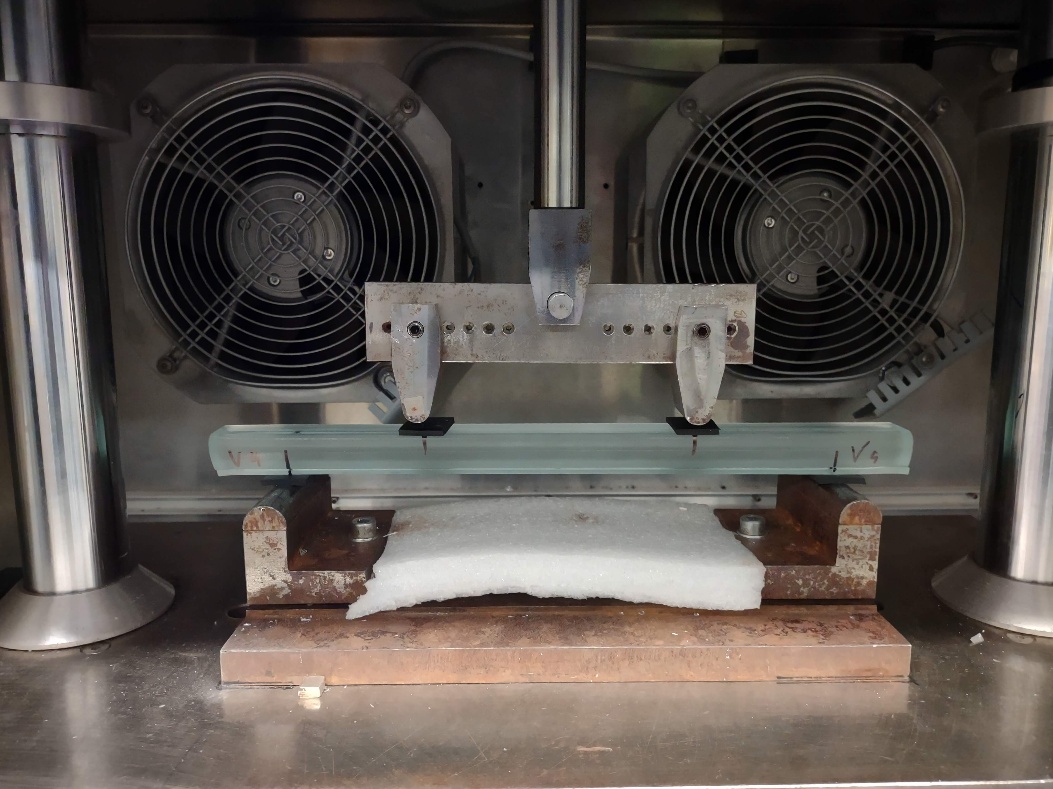
Despite having a high recycling potential, most waste glass streams are currently downcycled or landfilled. Often, recycling is considered technically and economically unfeasible due to the presence of contamination. Recent research has proved the potential of recycling contaminated waste glass through casting, without removing all types of contamination. However, this approach can result in a wide variety of inclusions within the material bulk, which can negatively impact the structural performance of the material. The precise relation between bulk inclusions and glass strength is,...
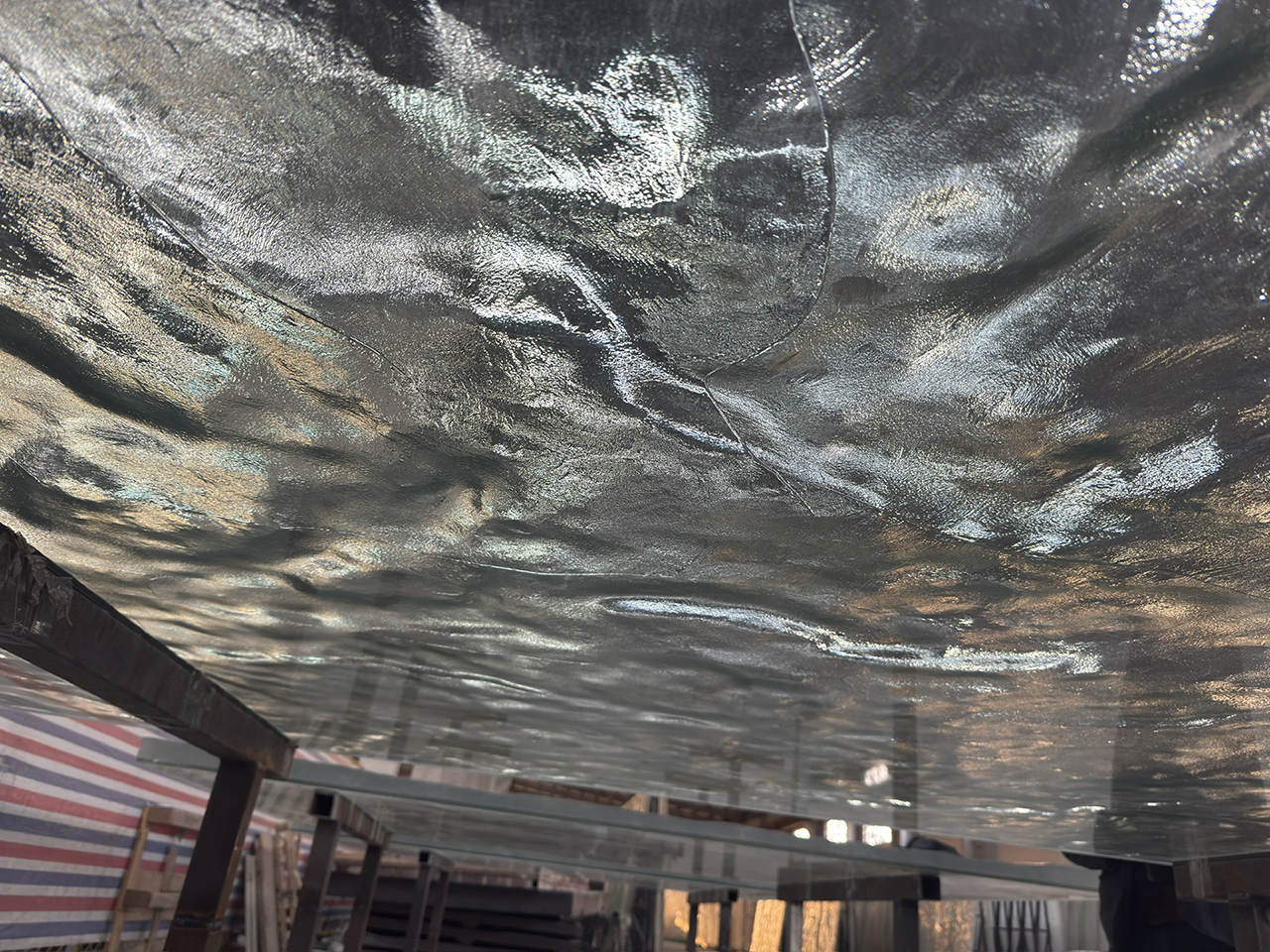
Cast borosilicate glass offers significant architectural potential for external façades, but its large-scale use is limited by the absence of established design data and standardised verification methods. This paper presents a performance-based methodology for thick, undulating cast borosilicate glass panels laminated to borosilicate float glass. Project-specific testing was undertaken to determine density, elastic modulus, thermal expansion and bending strength. The strength data were assessed using Weibull...
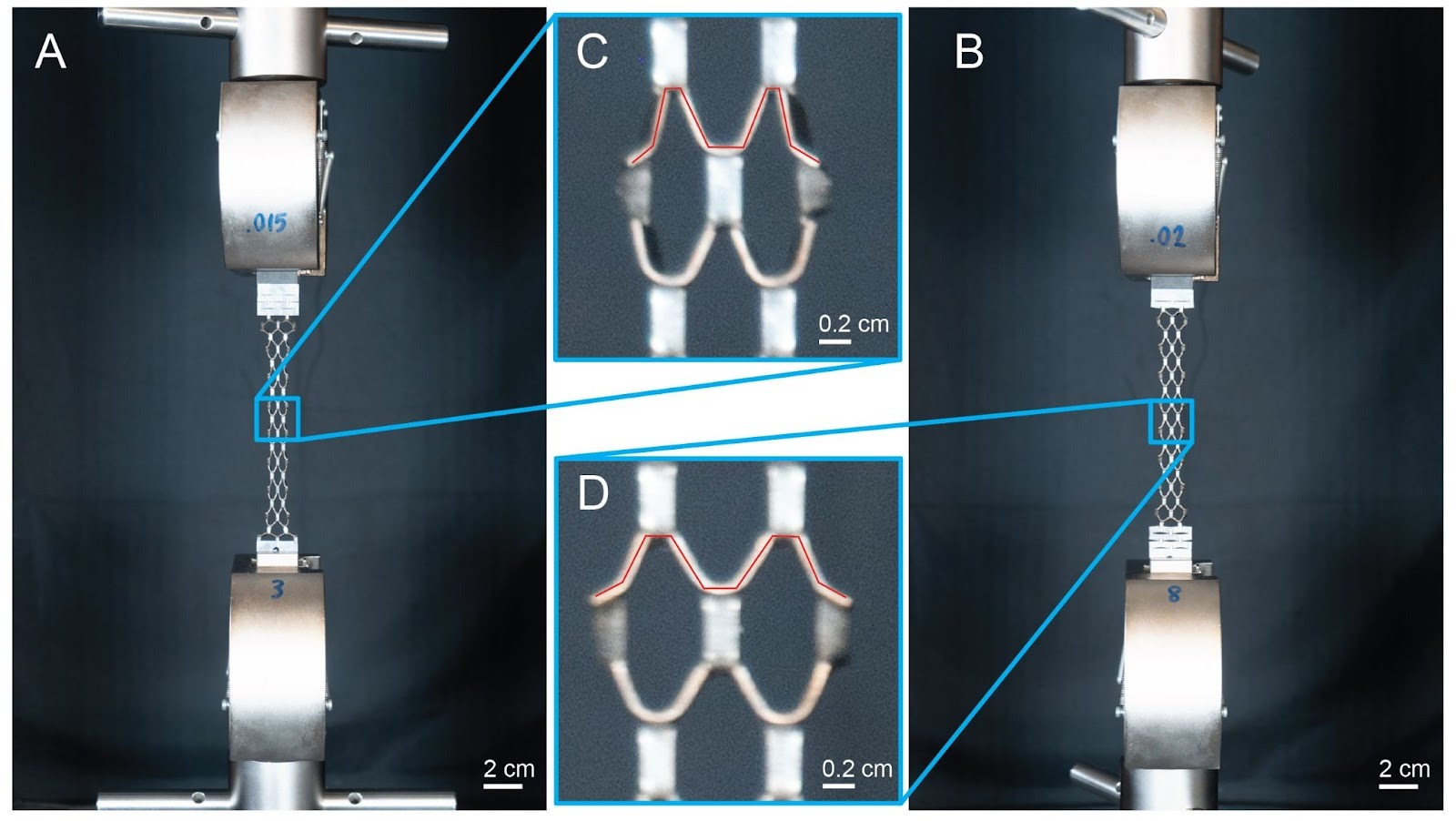
Additive manufacturing and casting enable the fabrication of freeform, three-dimensional glass elements. Yet inherent process constraints typically limit component size to that of a masonry brick. Such glass masonry systems, in turn, require an interlayer material to avoid glass-to-glass contact and reduce stress concentrations. Towards reversible structures, dry-assembled cast silicones, composite materials, and other alternatives have been investigated as replacements for currently used adhesives. This paper investigates metal, tension-activated kirigami as an...
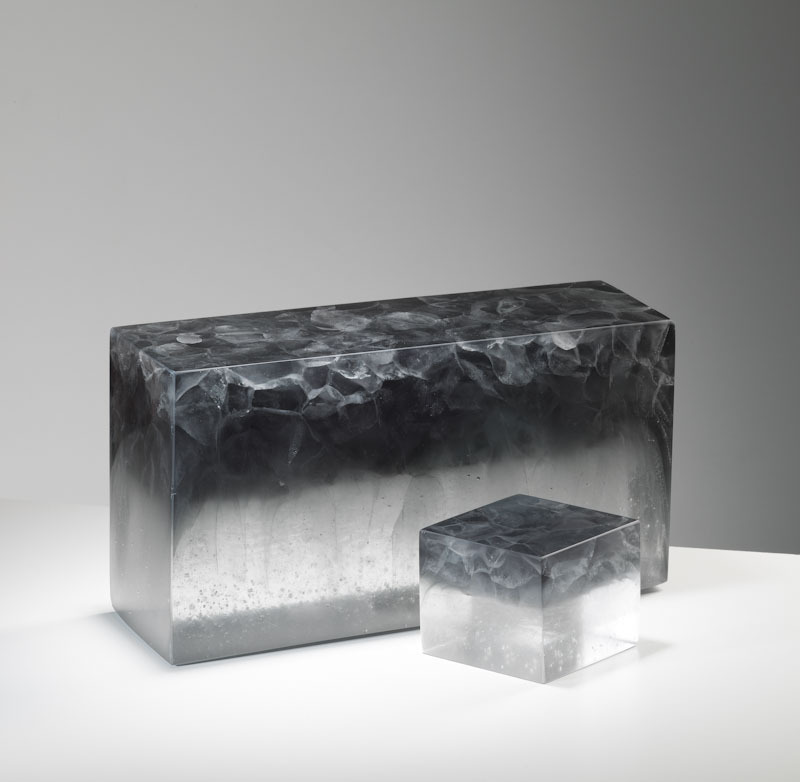
The production of glass art objects using traditional kiln casting adheres strictly to compatibility standards, primarily coefficient of expansion (COE), to avoid stress fractures and ensure structural integrity. However, rigid adherence to compatibility rules can limit creative material diversity and aesthetic expression. This paper explores a practice-led investigation into the deliberate ‘in-kiln’, combination of different types of ‘non-compatible’ glasses. This is not a fusing process it is casting process. This innovative process challenges conventional limitations to expand...
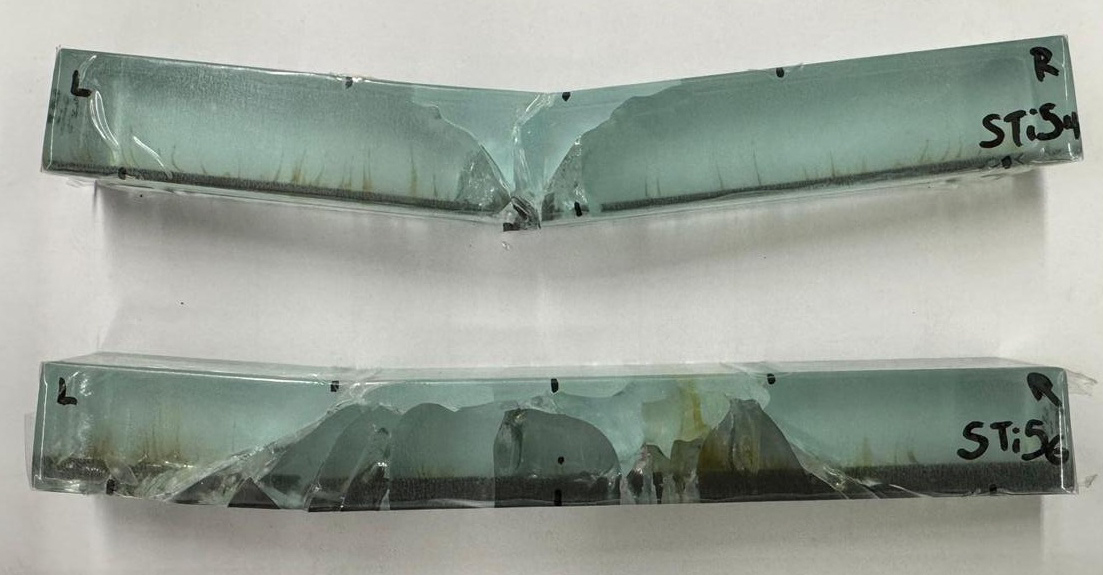
Glass casting displays significant potential for realizing complex, large-scale, monolithic structural elements for the built environment. Yet glass's inherent brittleness and lack of post-fracture load-bearing capacity pose critical limitations for their safe application. Conventional safety strategies developed for float glass are challenging to apply to volumetric components, necessitating the development of alternative methods. Research at TU Delft has investigated the direct embedding of metal reinforcement (with compatible thermal expansion coefficient to glass) during the casting...
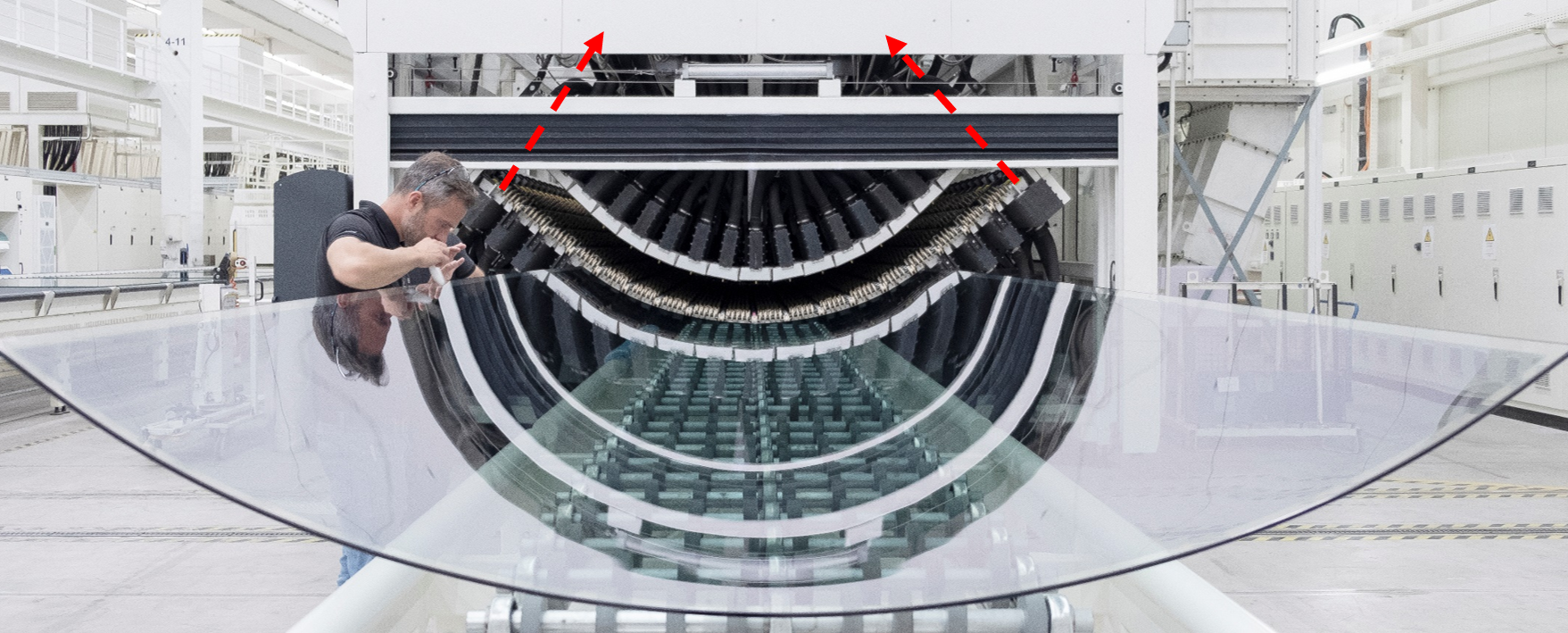
A new large-format glass bending furnace has been developed to advance the current boundaries of hot glass forming for architectural applications. The new system can process glass panels up to 11.5 × 3.6 m with a maximum bending pitch of 1.2 m and radii below 500 mm. Central to this development is an innovative bending system in which each glass ply is optimally shaped at the very beginning. The system continuously supports the newly generated geometry throughout the oven to the quenching phase, enabling complex multicurved, conical, J-shaped (a glass panel comprising a central curved...
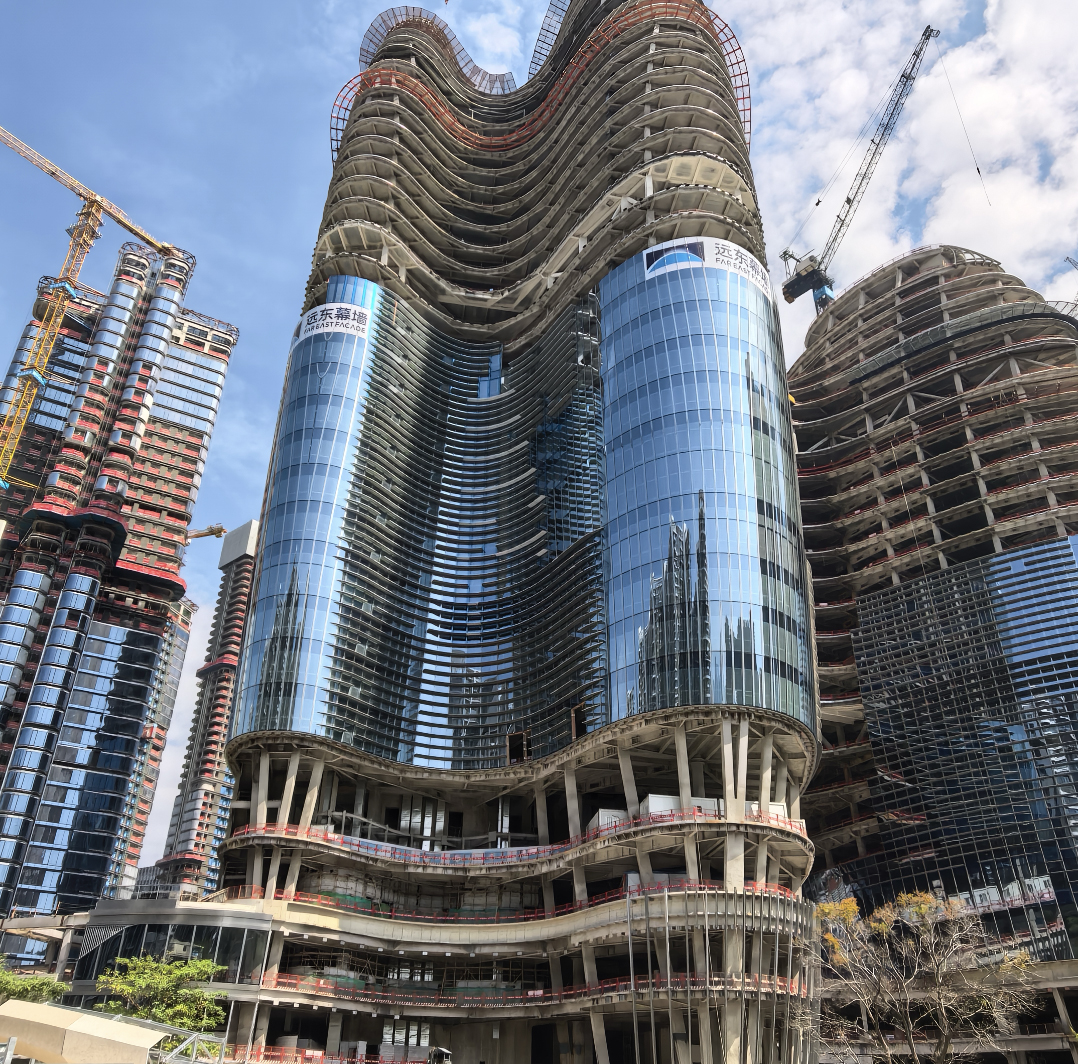
Curved architectural glass is becoming central to contemporary façades, enabling designers to move beyond planar surfaces toward more fluid, expressive forms. This paper examines its aesthetic and geometric potential and shows how high-precision forming using controlled curvature adjustment during strengthening supports large-radius cylinders, tight-radius panels requiring high accuracy, and customized double-curved units. Such capability enables smooth 3D transitions, continuous reflections, and dynamic light effects that significantly enhance architectural identity compared with flat...
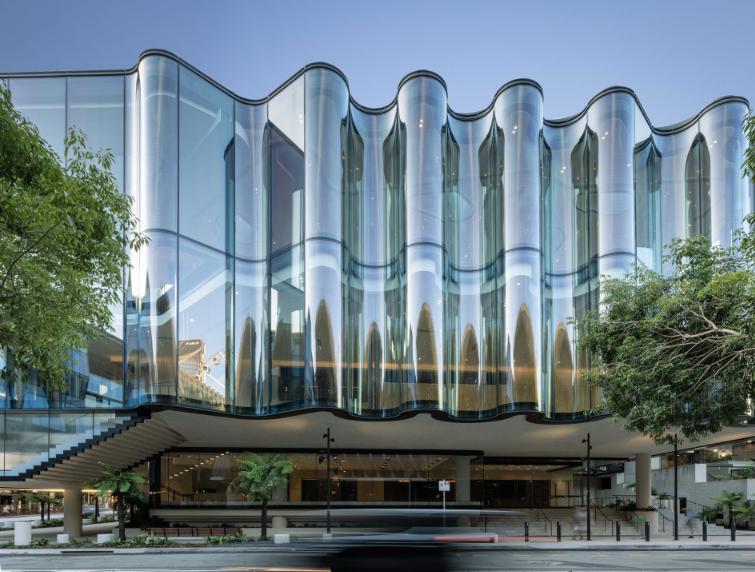
The Glasshouse Theatre Brisbane features a highly complex corrugated all-glass façade composed of alternating convex and concave curved insulating glass units with radii down to 1.0 m and panel heights up to 7.2 m. The realization of this geometry required precise control of fabrication tolerances, structural behavior and installation-induced deformations, as achieved through the engineering and execution by seele. The façade system is based on a discreet steel substructure with glass fins and structural silicone glazing (SSG) connections, enabling load transfer...
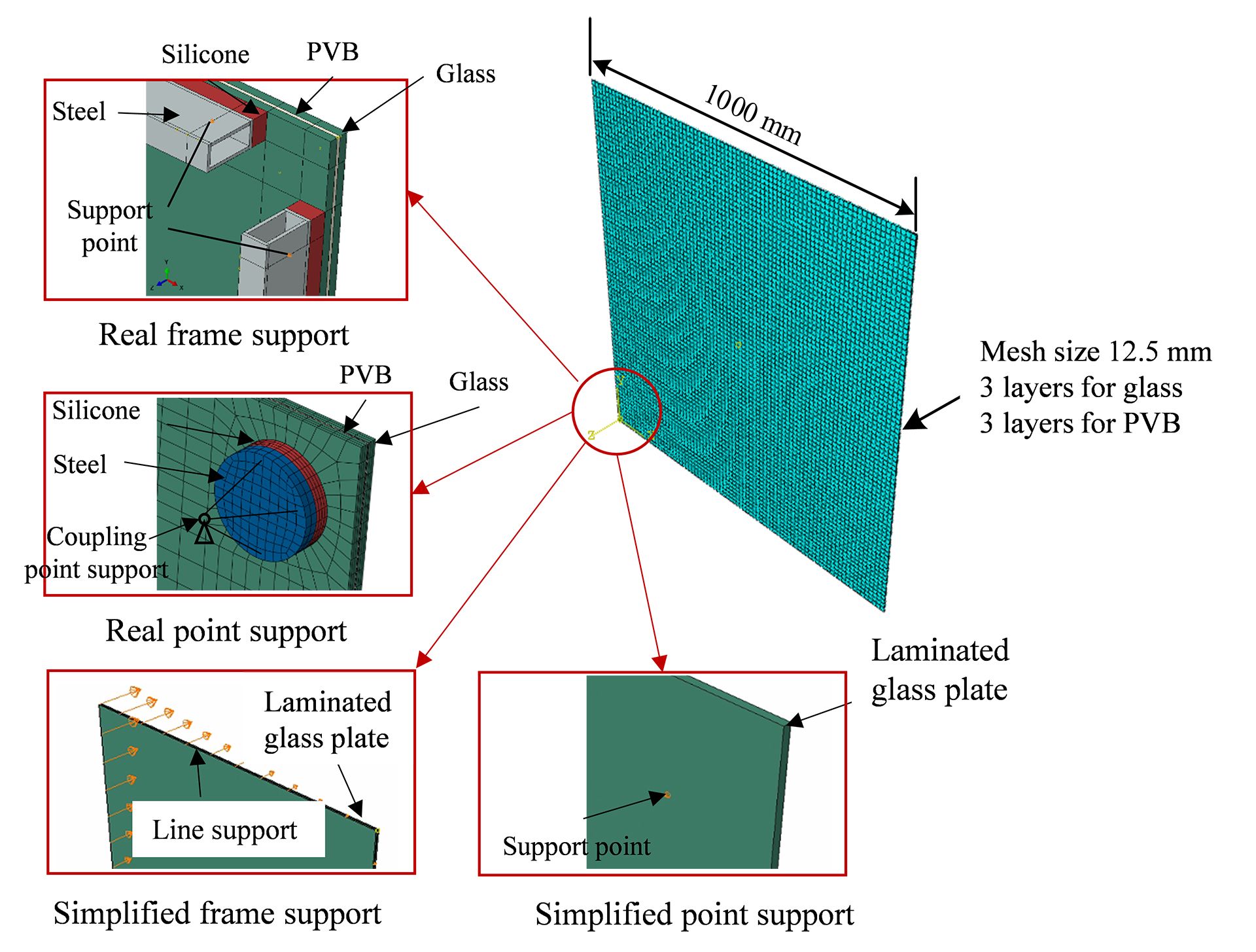
Anticlastic cold bent glass plate plays a significant role in the design of free-form glass facades. Residual stresses will be introduced in the plate during the cold forming process which may influence the subsequent load bearing capacity. Current research on load-bearing performance of anticlastic cold bent glass plates primarily focuses on the influence of support conditions, cold bending degree, and load patterns. However, effective support conditions for post-cold-bent loading have not yet been determined, and effective failure criteria have yet to be established. In this paper, a...

A novel method for the geometrically nonlinear plate analysis of cold bent monolithic glass using Physics-Informed Neural Networks (PINNs) is presented. The approach leverages the power of PINNs as solvers for the associated nonlinear partial differential equations of von Karman theory. Traditional methods for this type of analysis are computationally expensive and often require complex finite element modelling, while closed-form analytical solutions are seldomly found. We bypass these limitations by formulating the governing PDEs as loss functions for a neural network. We detail the...
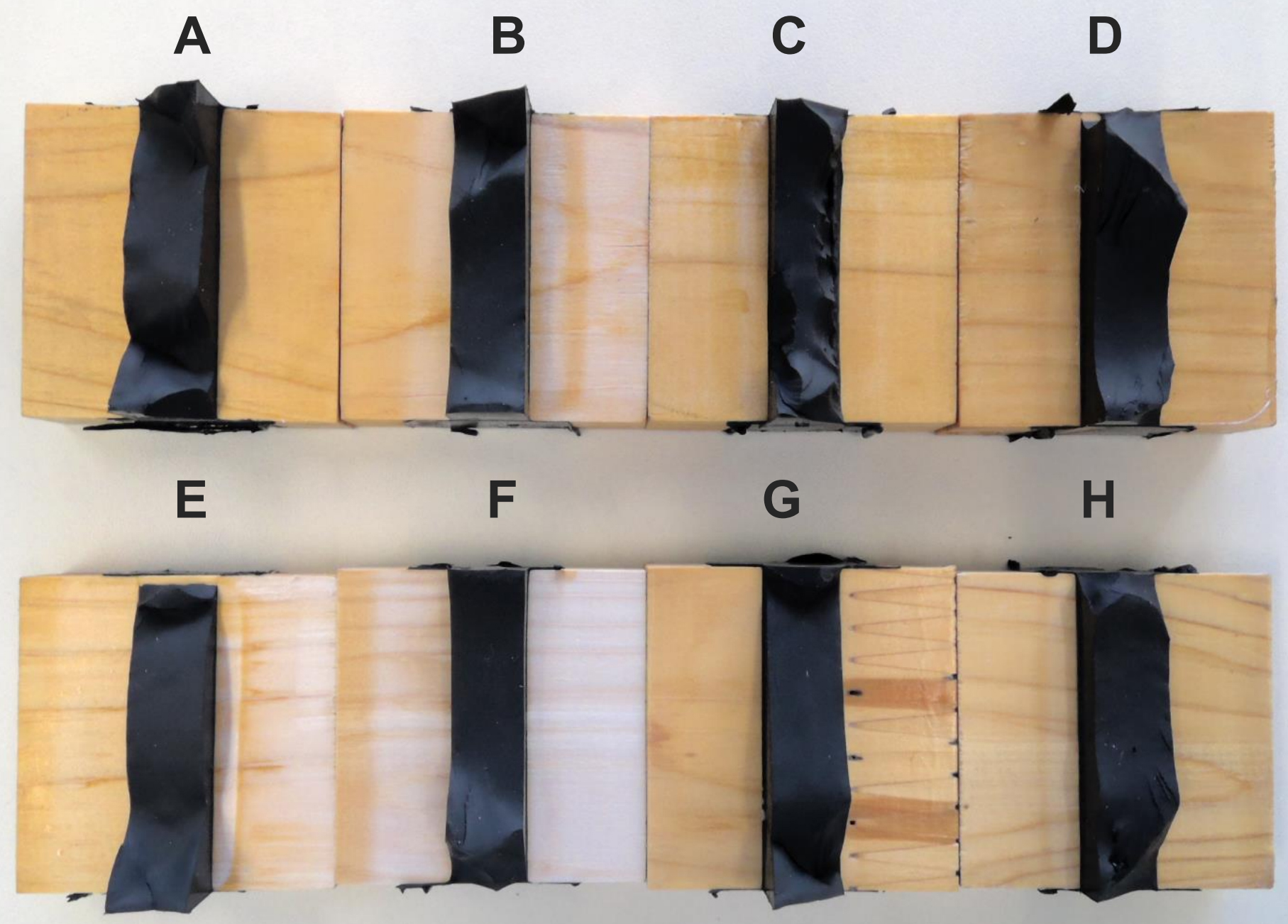
In recent years, the Japanese architectural industry has seen a growing trend toward timber construction, driven by increasing environmental awareness. However, despite the use of timber in structural elements, aluminium sash frames remain prevalent in many buildings. This study aims to develop a durable, all-timber sash system by focusing on the Structural Silicone Glazing (SSG) method. The method allows timber components to be used without direct exposure to outdoor conditions, thereby enhancing durability. This research investigates the adhesion performance of SSG sealant on timber....
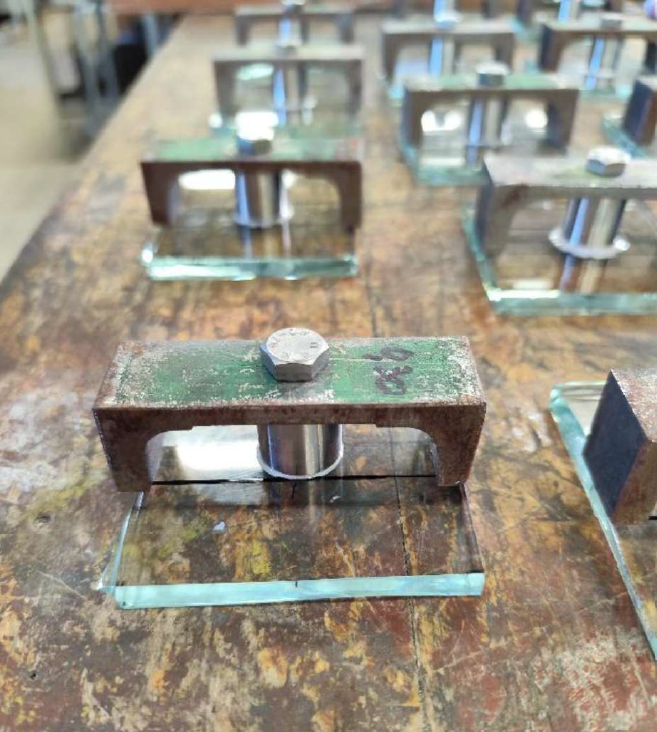
The durability of glass-steel adhesive joints is a key consideration in hybrid structural applications, where environmental exposure can alter the mechanical response of epoxy adhesives. This study examines two bonded glass-steel configurations with an unfilled (UF) and a particle filled (F) epoxy. Specimens were conditioned for 24 hours and seven days at 95 °C, -10 °C, 95% relative humidity and full water immersion, followed by pull off testing. Force and crosshead displacement were used to derive global apparent response measures, including ultimate tensile stress, apparent strain,...
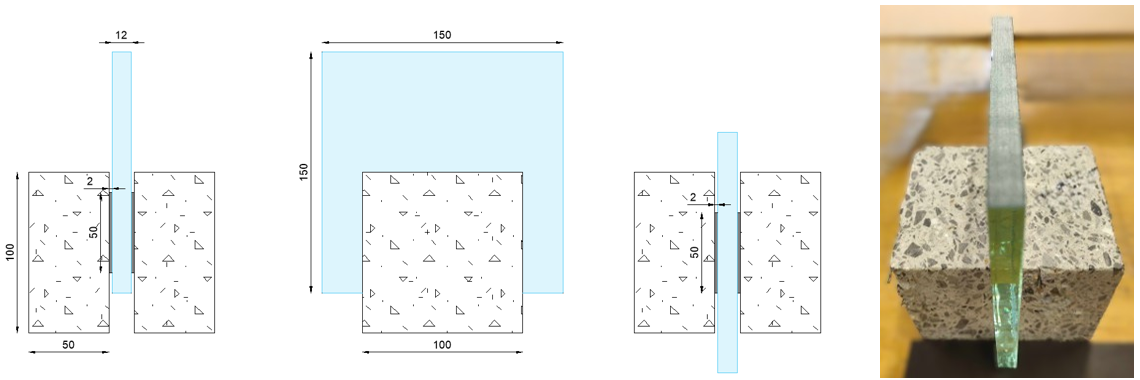
The use of adhesives in architectural glass applications is steadily increasing. To date, these applications have primarily focused on structural glass-to-metal or glass-to-glass connections in façades, typically employing flexible adhesives such as silicones and polyurethanes. Recently, however, there has been a growing interest in stronger adhesives, such as acrylates and epoxies, for all glass assemblies and for hybrid structures combining glass with materials including timber, plastics, and concrete. This emerging trend forms the basis of the present research in...
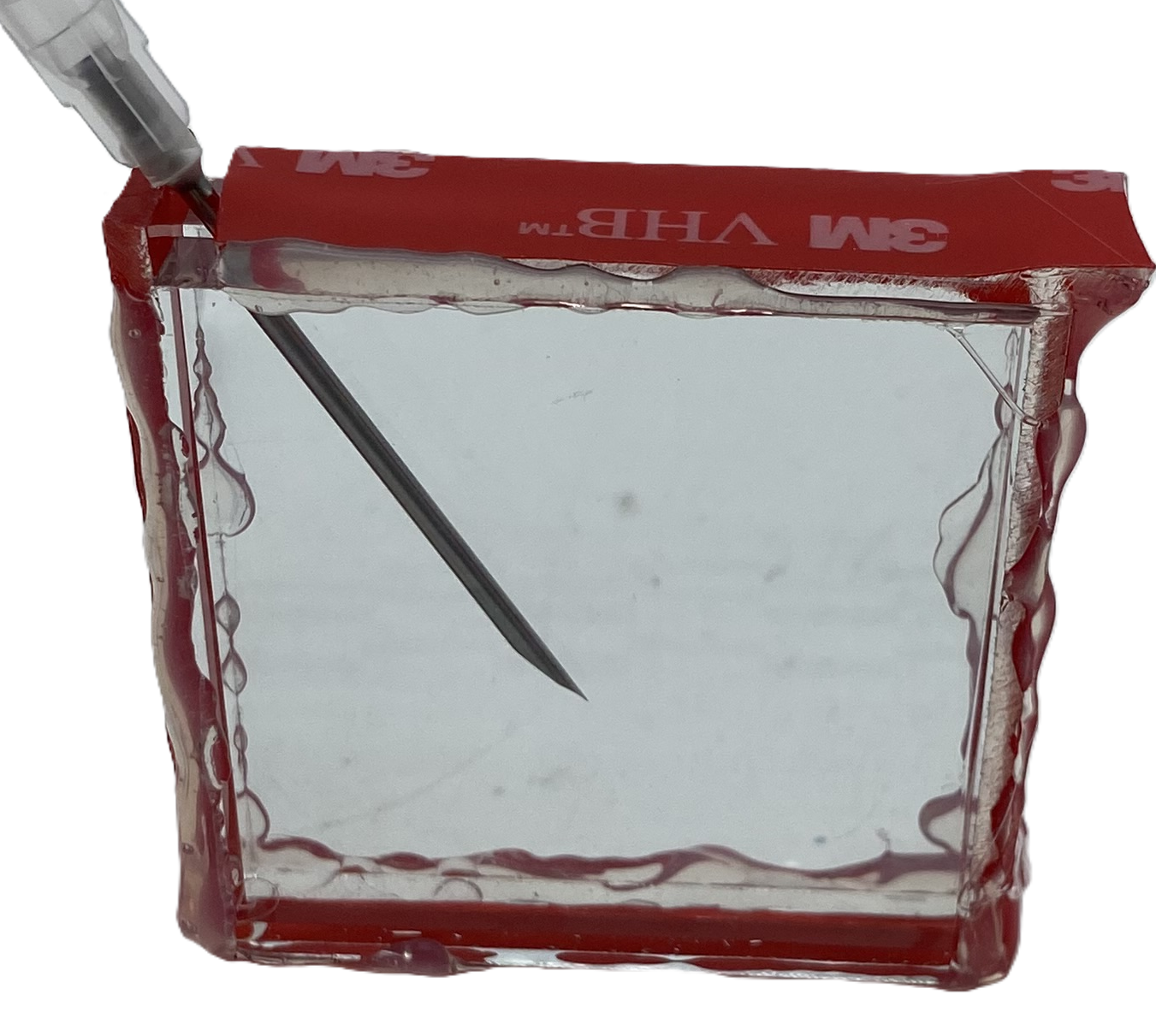
Research and development in the field of structural glass engineering is constantly exploring new materials and innovations to improve the performance and versatility of laminated safety glass (LSG). Liquid cold-poured interlayer adhesives (LCPI) are emerging as an alternative to film-based interlayers, such as PVB, EVA, and Ionomers, and are gaining increasing attention in research. These products are cured at room temperature without the need for additional pressure. Their mechanical and physical properties can be adjusted depending on the intended application. Therefore, they can...
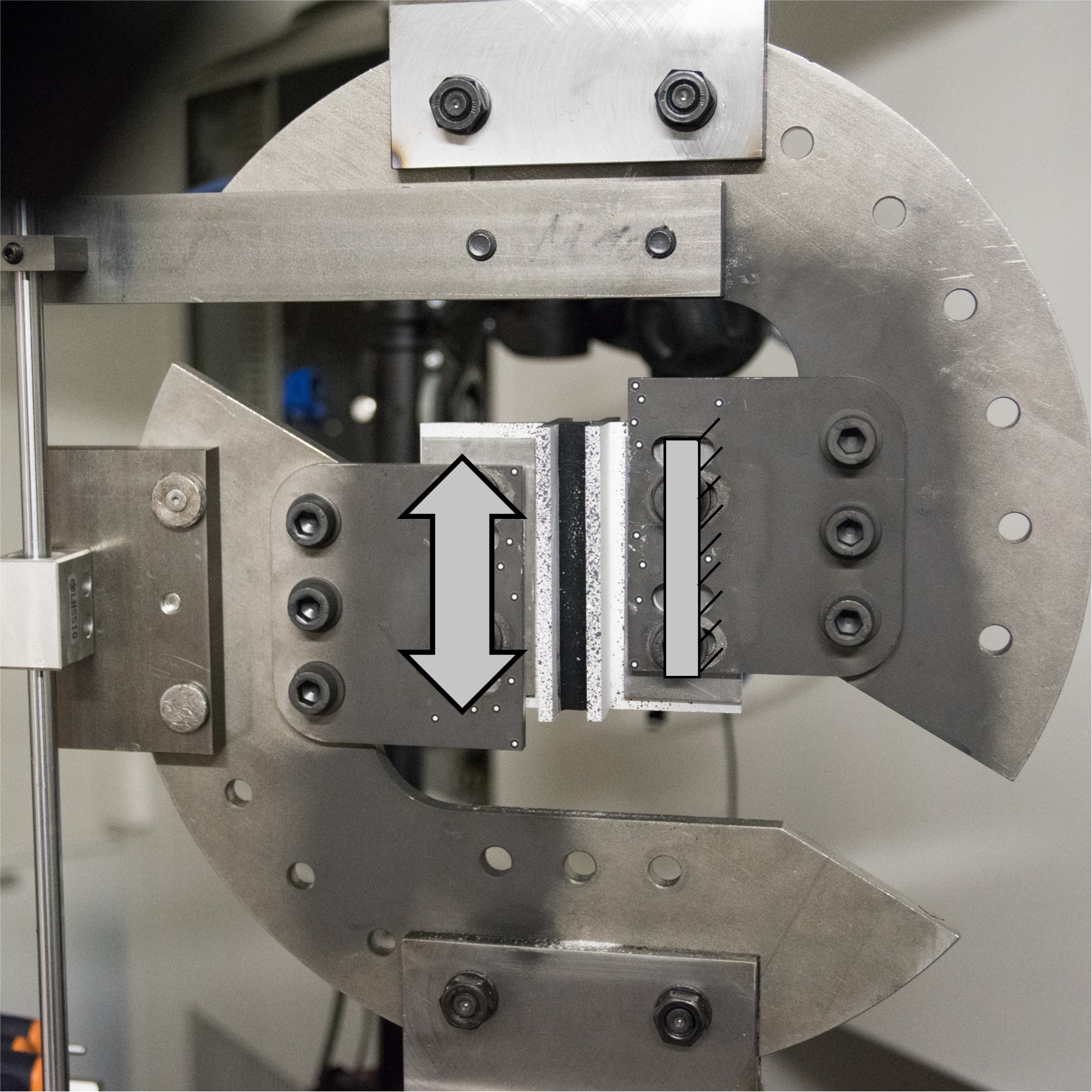
In addition to static loads, structural glazing joints in glass and facade construction are increasingly exposed to dynamic and extraordinary loads such as earthquakes. Recent studies have highlighted a significant influence of the test frequency on the low-cycle fatigue (LCF) performance of structural adhesives, but a consistent modeling approach is still lacking. This study investigates the frequency-dependent fatigue behavior of structural glazing joints under seismic loading conditions. To evaluate the frequency influence in detail, 112 specimens were subjected to force- and...
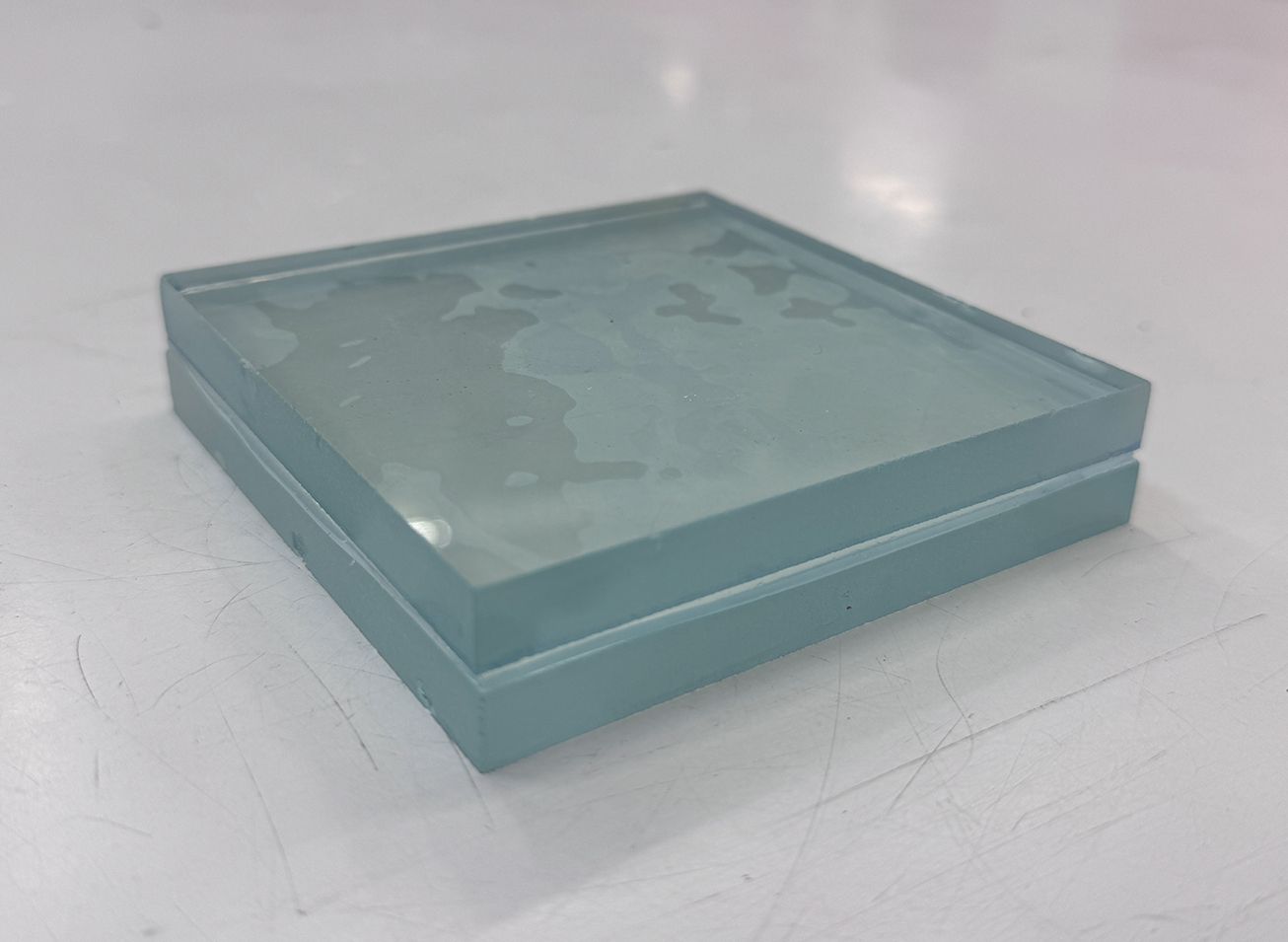
Silicone bonded glazing (structural glazing) is a pivotal technology in curtain wall systems, offering a seamless and aesthetically pleasing facade for modern architectural designs. This technique uses wet applied silicone sealants to bond glass to a building's structural frame, eliminating mechanical fasteners and providing a sleek, uninterrupted glass surface. Some of the proven advantages include long term thermal insulation and excellent resistance to various loads. The durability of the silicone means less maintenance and replacement over time of a bonded façade. A significant...
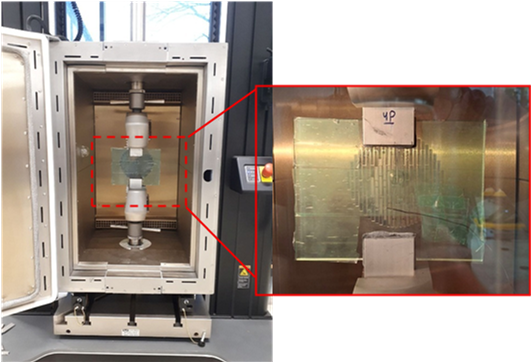
Adhesive bonding has gained in popularity within the construction sector for its capacity to bond dissimilar materials and distribute stress. Silicone bonded facades (silicone structurally glazed), when reached their end of life, can be disassembled using cutting tools. However, to improve glass-frame separation and enable circularity, this study examines, for the first time, the debonding-on-demand potential of a structural silicone adhesive modified with Thermally Expandable Particles (TEPs). This research evaluates the mechanical performance and triggered disassembly of...
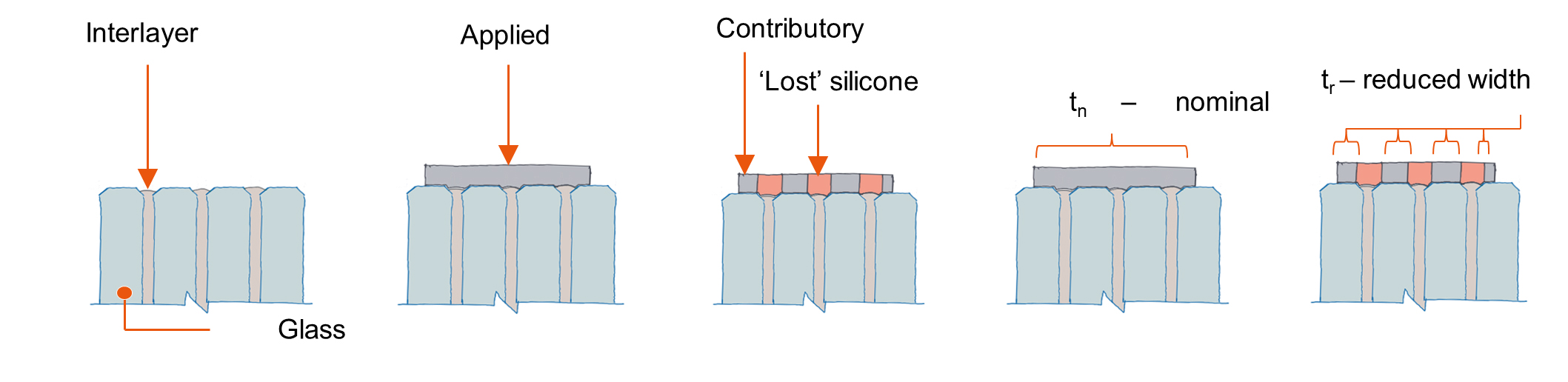
Structural silicone glazing (SSG) design typically neglects the adhesive contribution of silicone bonding to glass laminate interlayers, leading to conservative assumptions and increased material use. This study investigates the adhesion characteristics of a commercially available high-performance silicone structural glazing (SSG) sealant to two widely used laminated glass interlayer materials: polyvinyl butyral (PVB) and ionoplast (silicone-interlayer bond strength and durability were experimentally assessed under tensile and shear loading using both non-aged and artificially aged...
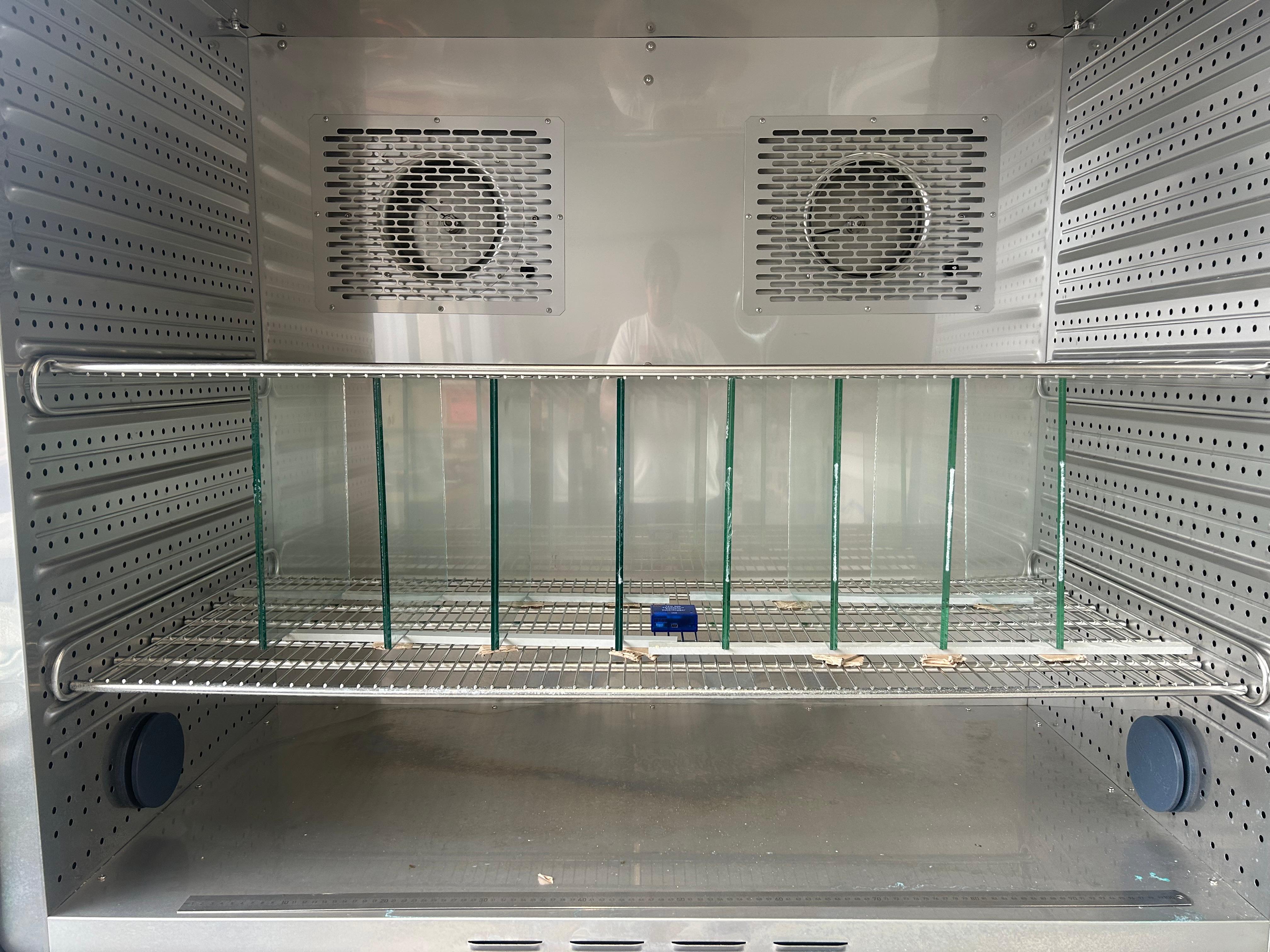
As part of urban mining initiatives aimed at reducing waste, CO₂ emissions and the extraction of raw materials, the demand for sustainable resource recovery and repurposing of construction materials is growing. With many European buildings due to be renovated to meet current energy standards, recovering insulating glass units (IGUs) presents a valuable opportunity to reclaim significant amounts of glass panes while reducing environmental impact of glass facades. However, the outer surfaces of IGUs are especially exposed to environmental influences, such as weathering and mechanical...
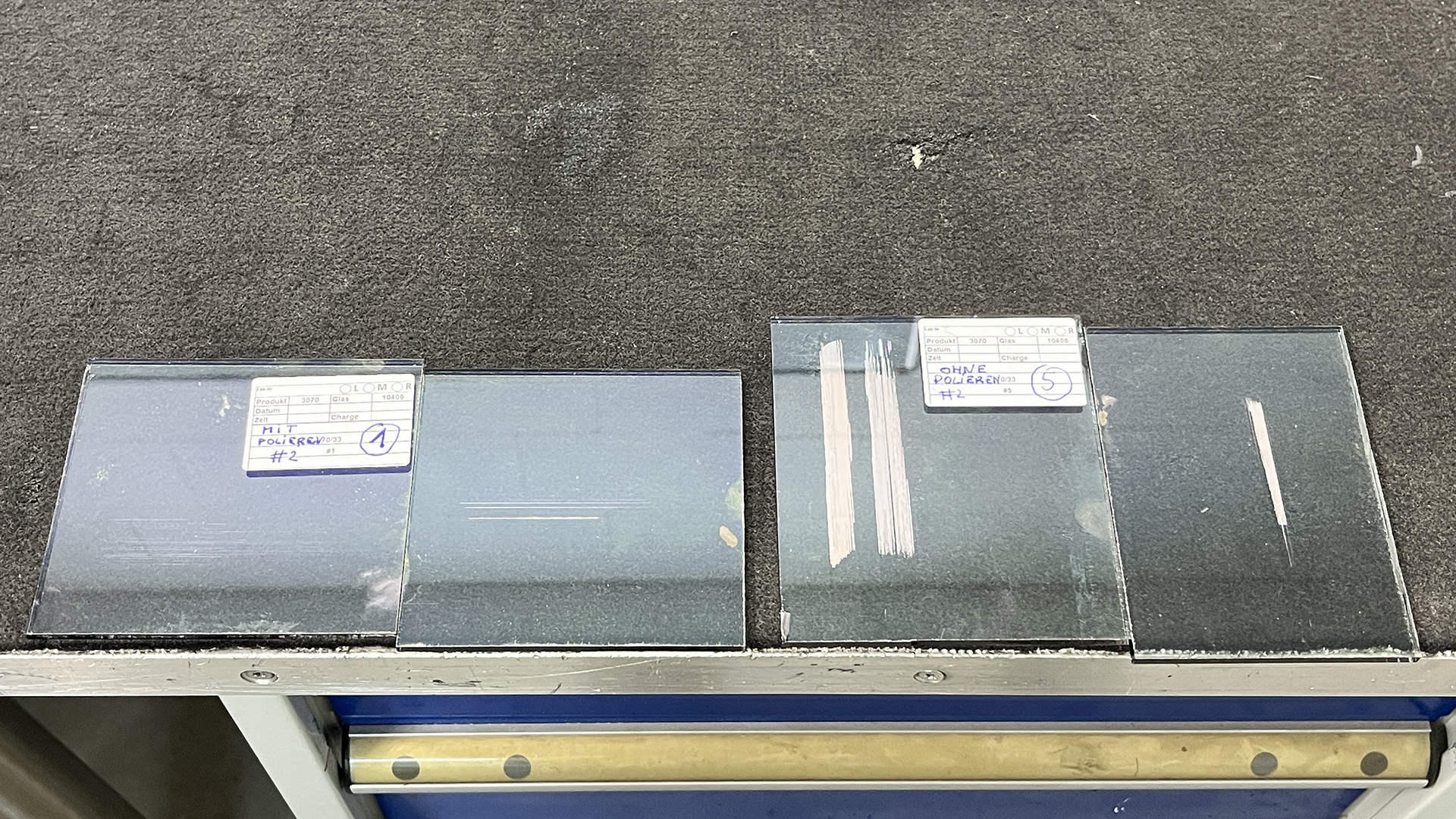
Advancing circular economy practices in the construction sector require the development of reuse and remanufacturing pathways for high-quality building materials such as architectural glass. This study investigates the technical feasibility of remanufacturing float glass reclaimed from insulating glass units (IGUs) through the application of functional coatings. Uncoated double IGUs were dismantled, and the reclaimed glass panes were reprocessed and coated with solar control layers using industrial-scale magnetron sputtering at a production site in Germany. The coated samples underwent...
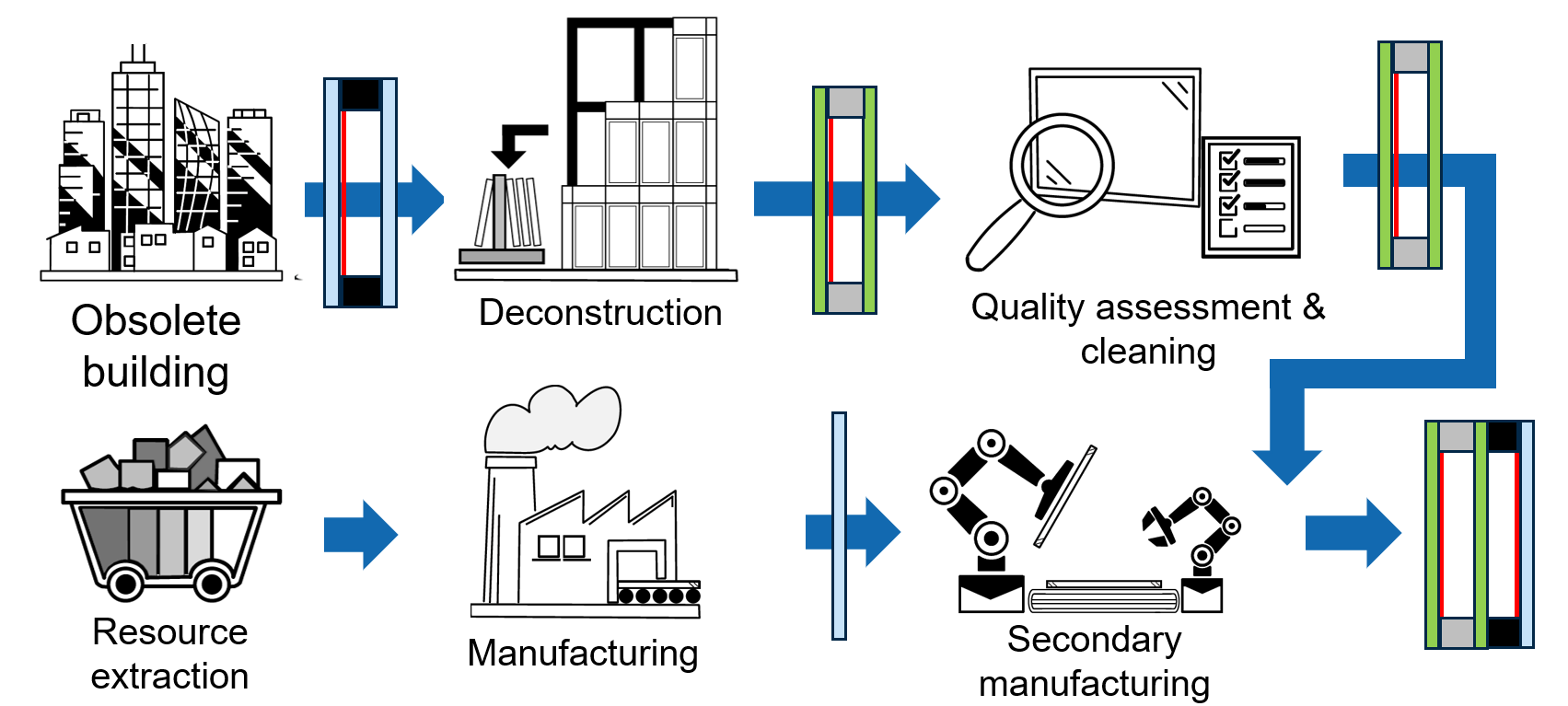
Creating closed material loops through value-retention processes is essential for circular economy (CE) strategies in construction, particularly for energy-intensive materials such as glass in insulating glass units (IGUs). In practice, IGUs are often demolished with a façade and treated as mixed construction-and-demolition waste, causing material dissipation and avoidable environmental burdens. Although circular approaches for IGUs are emerging, comparative life cycle impact assessments (LCIA) across realistic system boundaries and disassembly practices remain scarce due to construction...
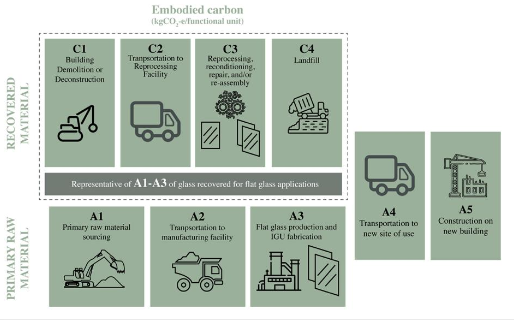
The reuse and high-value recovery of architectural glazing offer significant potential to reduce waste and minimize the environmental impact of the glass sector. Still, there is a lack of a standardised approach to support decisions in environmentally efficient renovation pathways that integrate all life-cycle stages and account for varying glazing types, geographical locations, and service-life dynamics. This study develops a novel assessment framework to quantify the environmental and financial trade-offs of alternative glass recovery pathways. The computational framework incorporates...
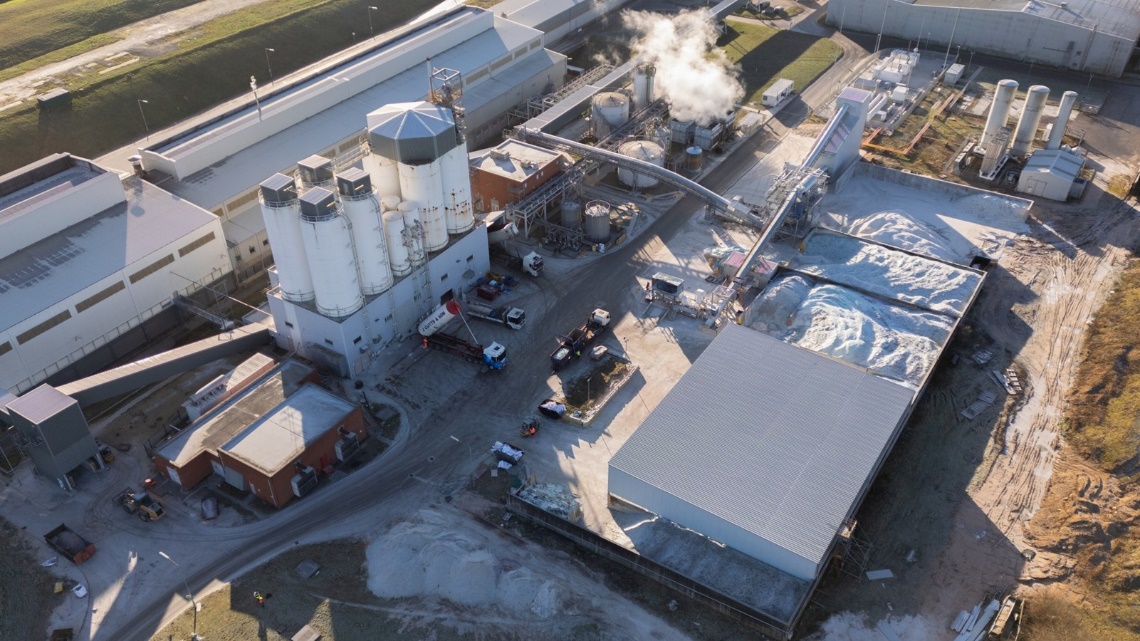
Vast quantities of post-consumer glass from commercial buildings are still lost to landfill due to contamination, logistics, and cost barriers. This paper shares key lessons from implementing a new, scalable pathway to recover end-of-life architectural glass and return it to new building glass. Through strategic partnerships with clients, upskilling the deconstruction supply chain, and stewardship of recovered material, Saint-Gobain has developed a cost- and time-effective closed-loop solution. This initiative is the Saint-Gobain Glass Recycling Process, summarised in a six-step circular...
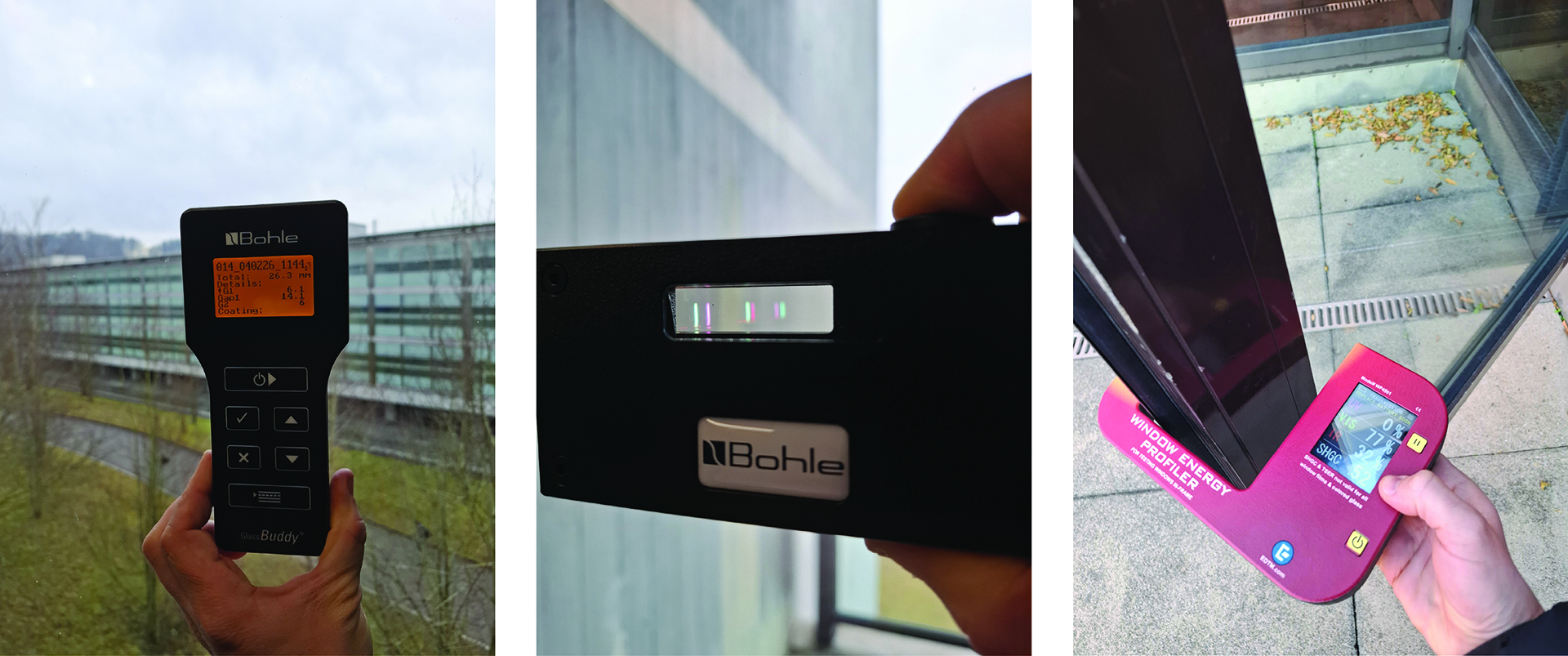
Assessing the potential for reusing glass from existing windows and façades requires a systematic understanding of the systems, glazing assemblies, glass types, and glass dimensions that were applied over the years, as well as the requirements these systems had to fulfil. Existing façade and window systems largely determine the feasibility and effort required for disassembly, as well as the possibility to recover reusable or recyclable components or materials. Glazing assemblies and glass types from end-of-life façades and windows might limit the possibilities for further processing,...
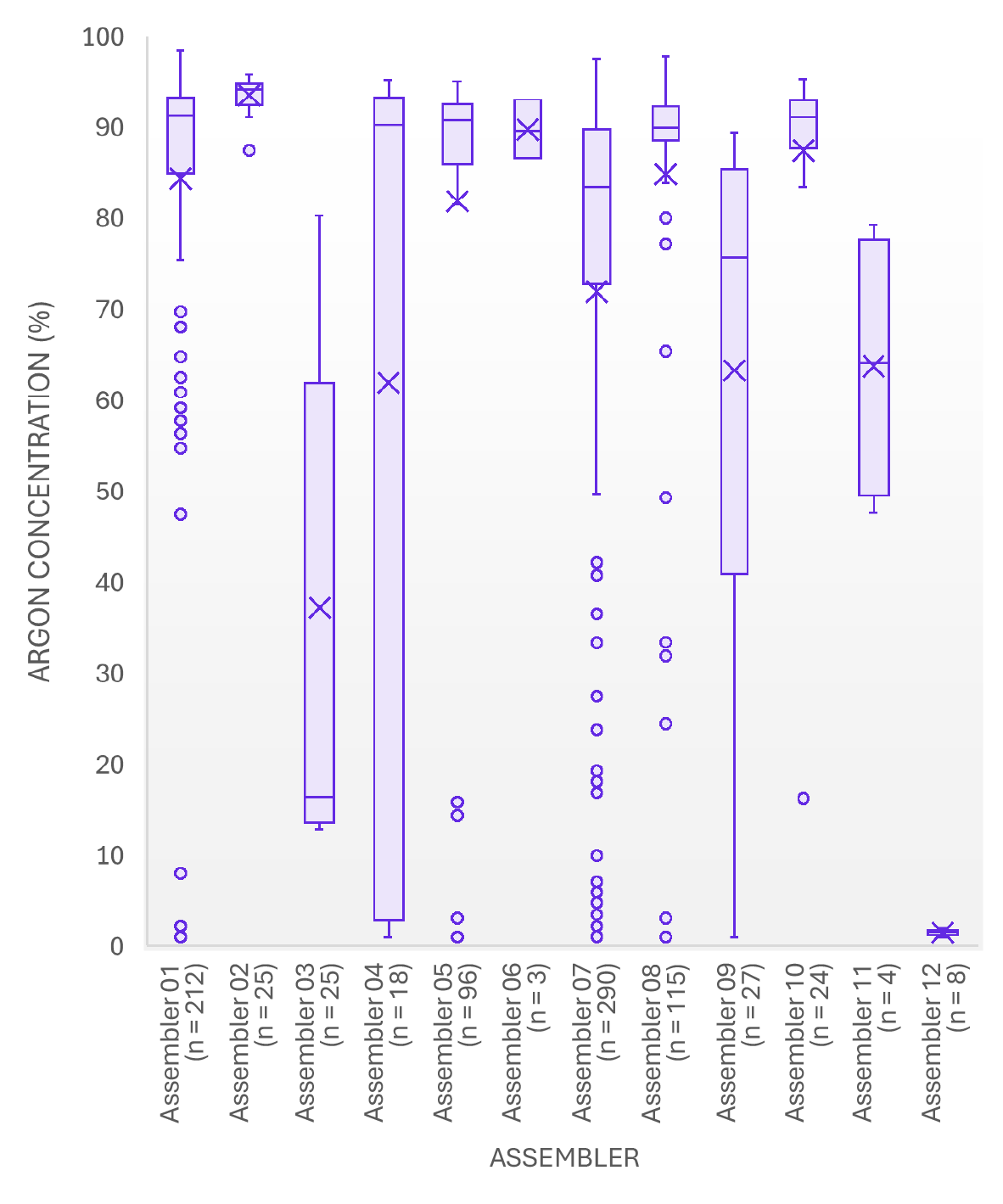
Reuse of entire insulating glass units (IGUs) is a high-level circular strategy to reduce material use, energy demand, and CO2 emissions from manufacturing, but remains little studied. This study explores the technical reuse potential of 930 argon-filled double glazed IGUs in 43 Dutch buildings, using residual argon gas concentration as screening criteria for reuse. It assesses associations with IGU age, orientation, building, and assembler, and reviews the scalability and practicality of the proposed screening method. The reuse potential is explored through three perspectives: an...
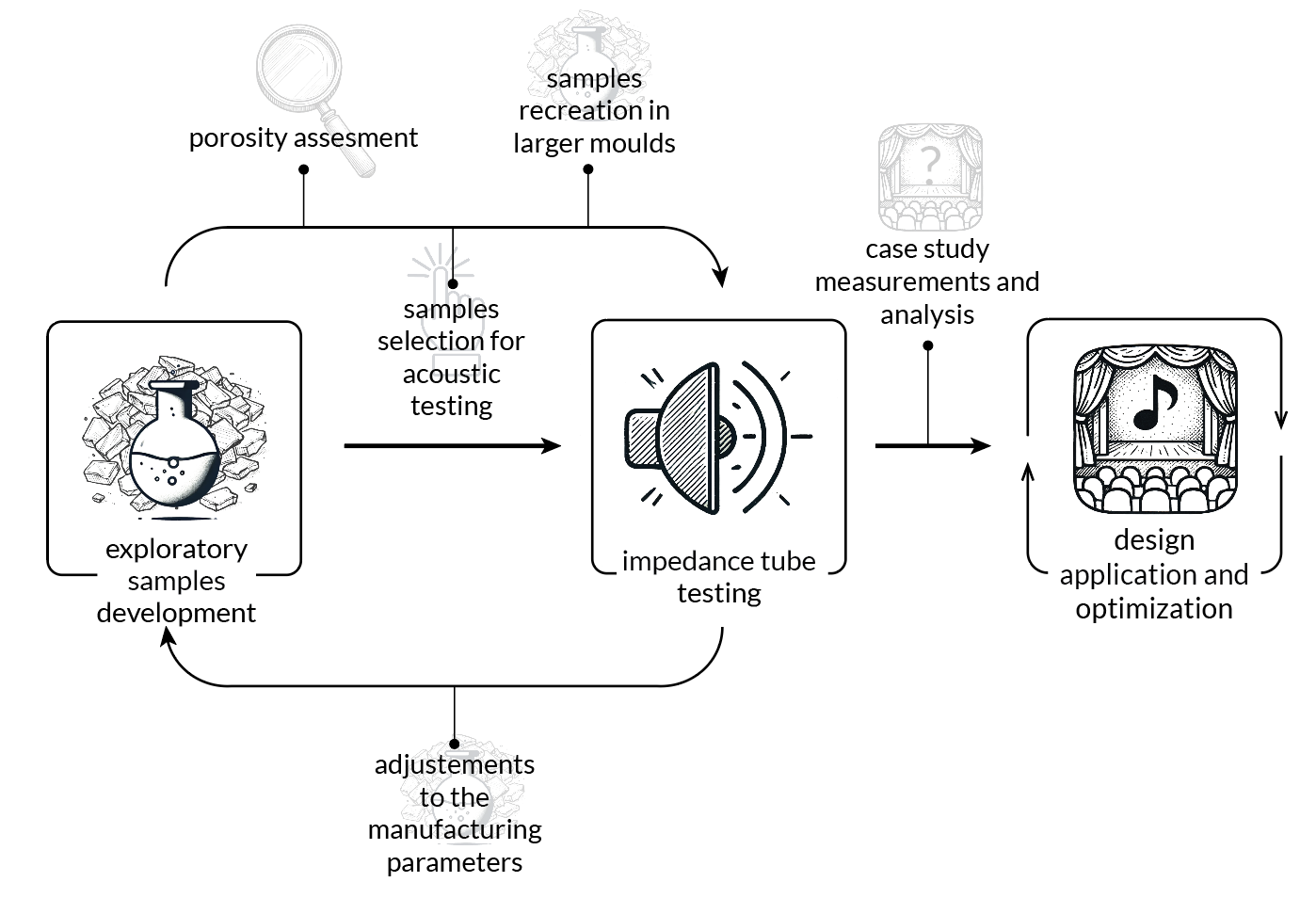
The construction sector faces increasing pressure to reduce material waste while meeting rising performance demands, including acoustic comfort in buildings. This study investigates the upcycling of several post-consumer glass waste - float-glass, light bulb glass, and contaminated mixed soda-lime cullet - into porous, sound-absorbing panels for architectural applications, targeting both circular material use and sound absorption performance. A series of foaming experiments are conducted to evaluate the influence of glass composition, foaming agents (calcium carbonate,...
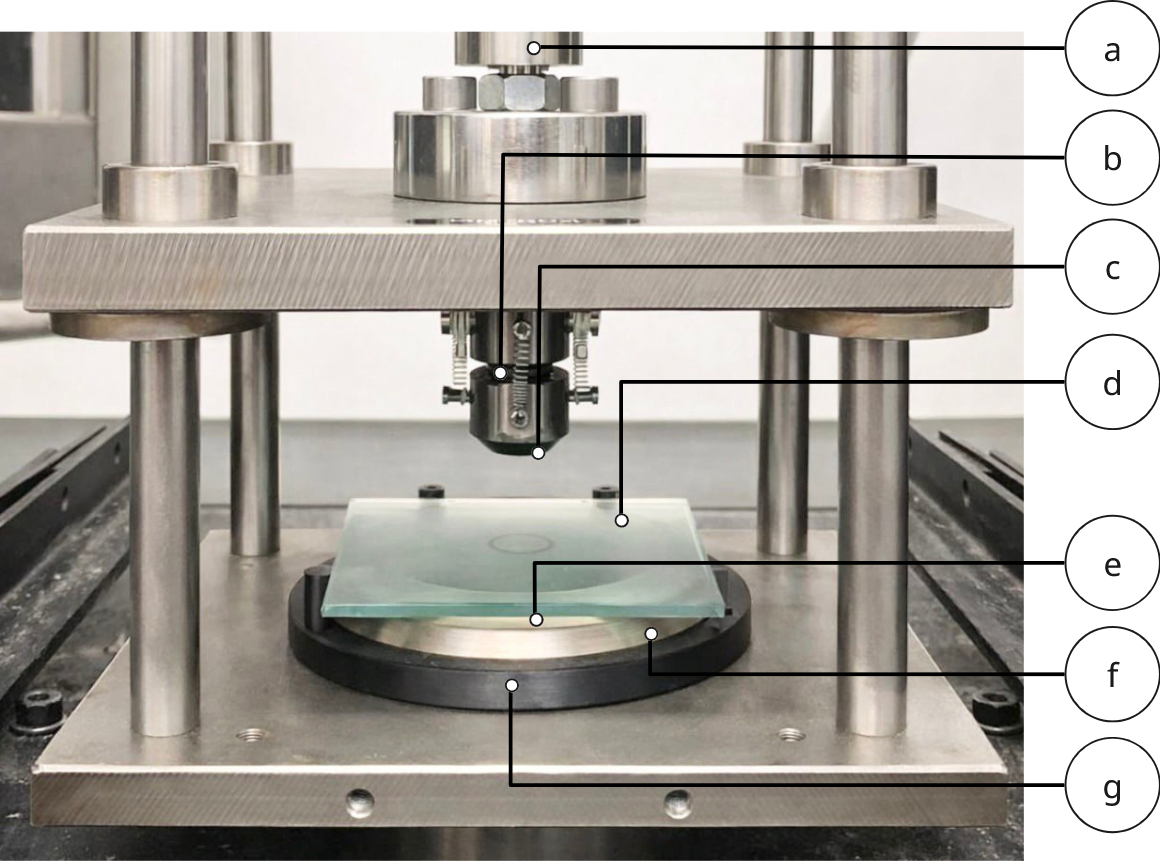
The reuse of architectural glass is a key pathway towards circular construction, yet the absence of standardised procedures for disassembly, specimen preparation, and mechanical characterisation of post-consumer glass limits comparability across studies in absence of a standardised procedure. We investigated current testing and evaluation procedures and reproduced the full process chain – from deconstruction of insulating glass units and structured specimen preparation with cleaning and surface inspection, to comparative mechanical testing using coaxial double-ring (CDR) test rig. As an...
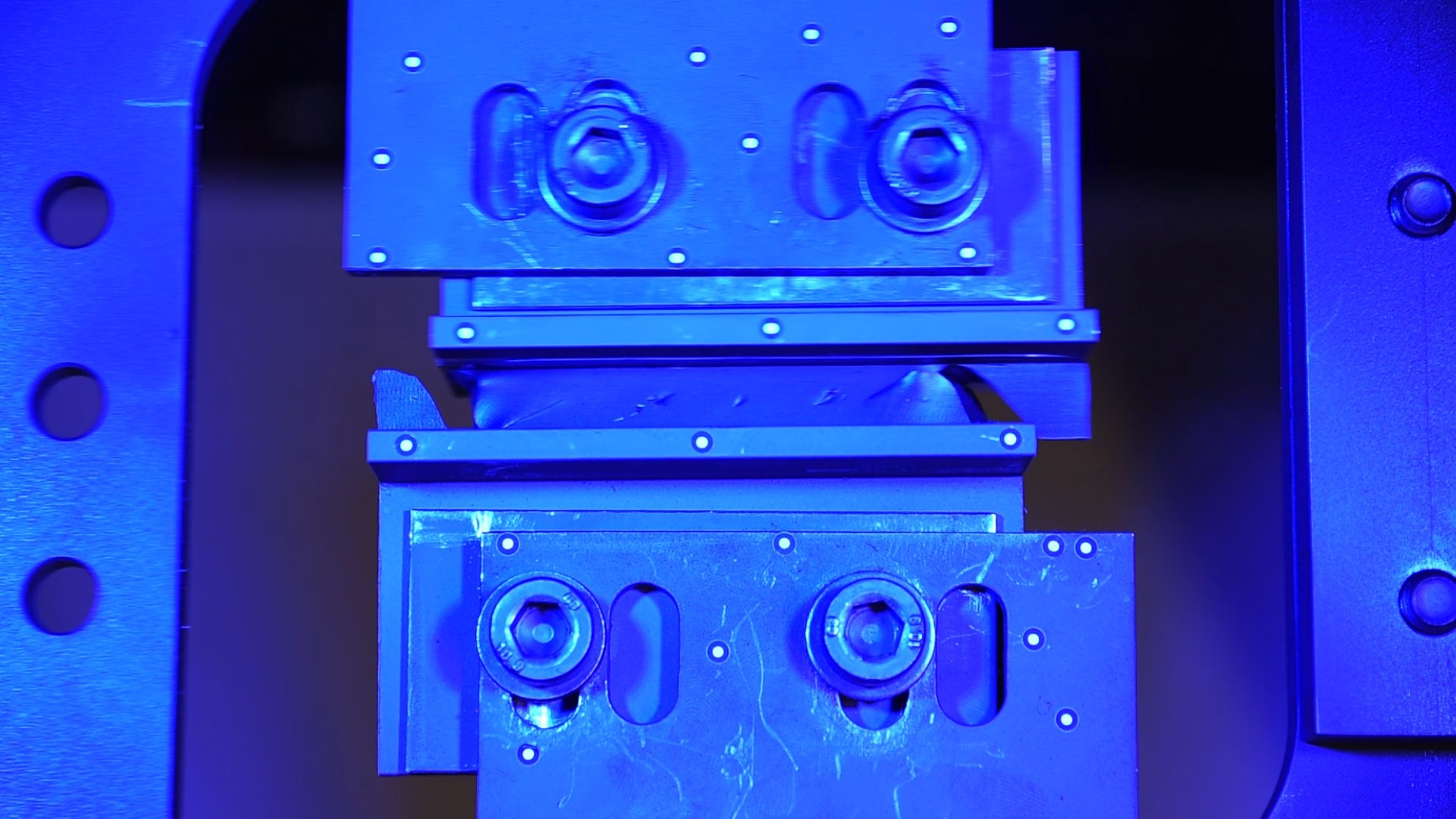
This study presents an AI-based methodology for the quantitative evaluation of crack propagation in cyclically loaded thick-layer silicone adhesive joints used in structural glazing systems. Experimental shear tests under low cycle fatigue loading were recorded with a DSLR and analyzed using a convolutional neural network for crack detection and segmentation. A dedicated dataset was generated from video frames and annotated to capture varying crack geometries and substrate positions. Real-time object detection-based segmentation models were trained and systematically optimized through...
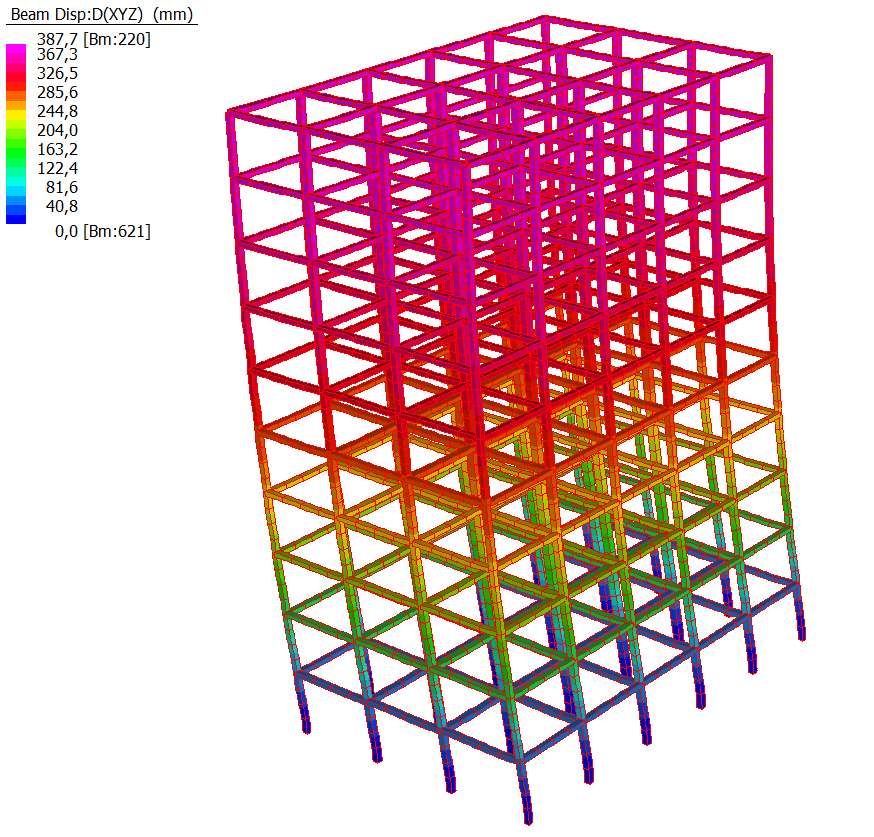
Dissipative façade connections to the building improve the envelope behaviour in response to explosions, permitting to deliver a less stiff system. Moreover, the façade transfers lower shear forces, requiring lighter concrete embedment. A relevant effect in the global building behaviour can be observed as well, towards a minimized construction impact on the urban carbon footprint. The authors, using a representative case of sensitive buildings and typical threats, compare the façade design carried out with and...
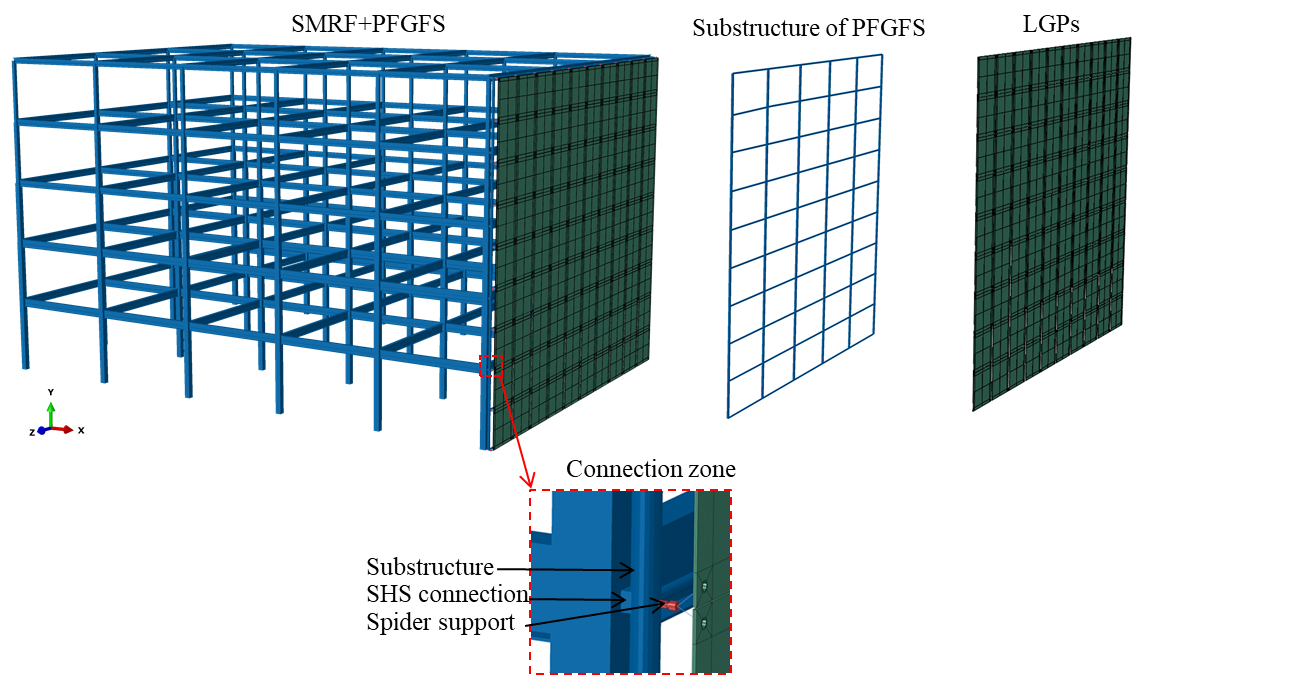
Point-fixed glass façade systems (PFGFSs) are widely used as modern building envelopes. This type of façade is particularly susceptible to seismic action; however, its seismic performance hasn’t been sufficiently quantified. To address this challenge, the seismic behaviour of a 3D steel moment-resisting frame (SMRF) with PFGFS was evaluated. The model includes the SMRF, laminated glass panels (LGP), spider arms, and substructure. The numerical model was analysed for 15 pairs of earthquake acceleration spectra at three levels of intensity. The results clearly indicate that the PFGFS...
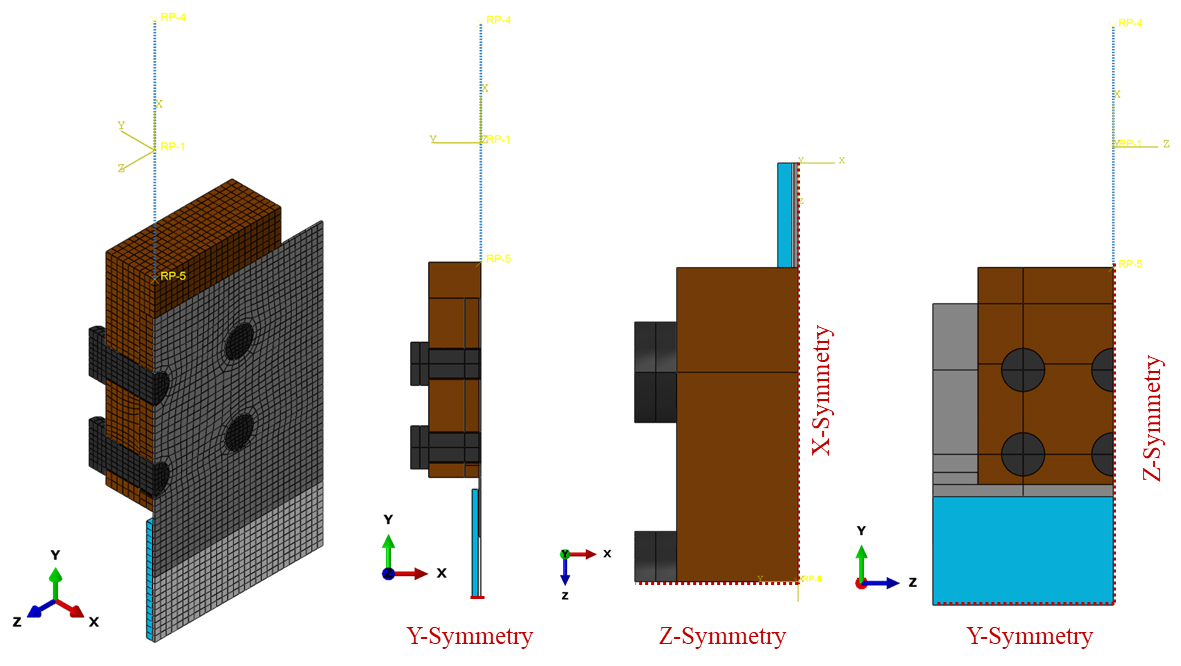
Embedded stainless steel–glass connections are widely used in transparent structures, but their mechanical behaviour depends on stress transfer through polymer interlayers. This study investigates an embedded stainless steel–glass detail with a polyvinyl butyral (PVB) interlayer and evaluates a finite-element model in Abaqus. Three laboratory tests were performed on identical specimens under monotonic loading. All specimens failed by delamination at the embedded interface. The model treats glass and steel as linear elastic, the PVB as a deformable interlayer, and uses an adhesive-zone...
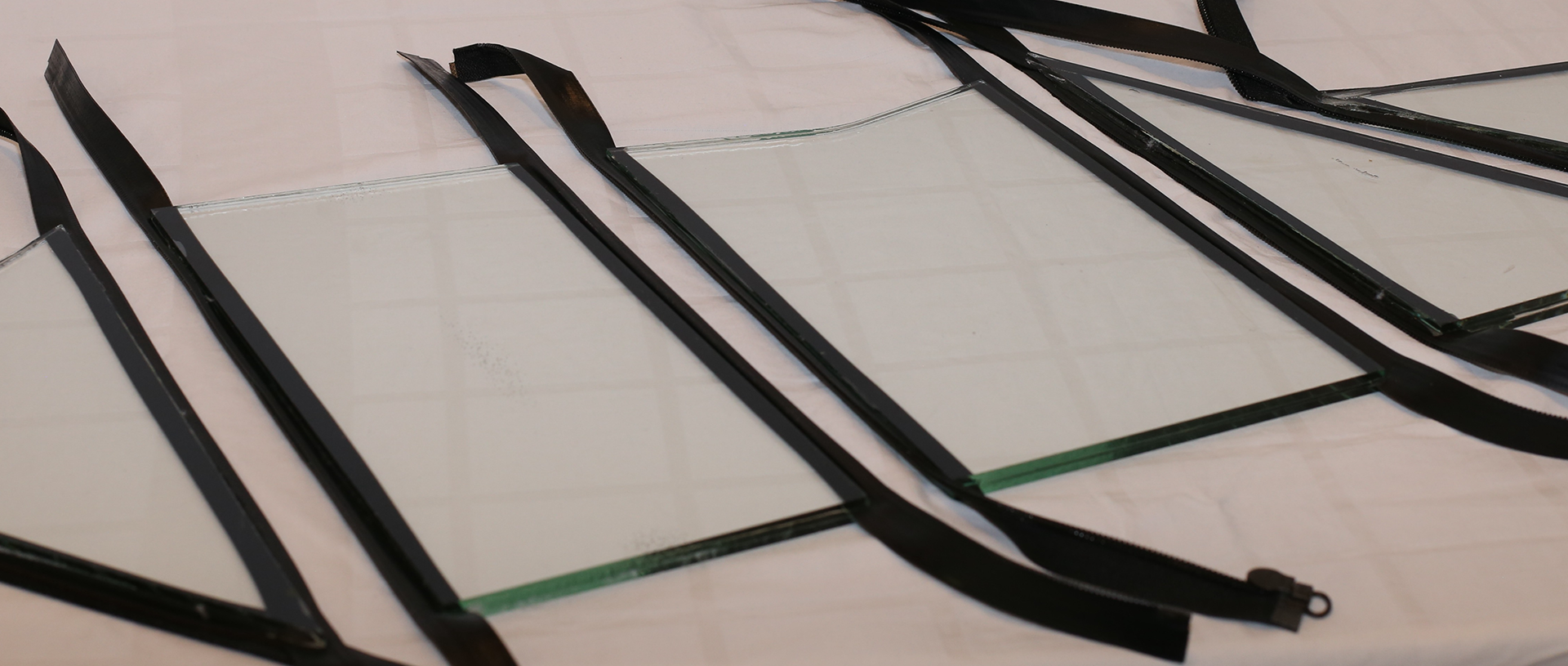
Zippers are familiar to everyone from their daily use. In architecture and construction, their use is primarily for temporary protective measures in conjunction with textile structures. A view at the product diversity of zipper systems shows how much this development has expanded into applications beyond the classic textile industry. The zipper, consisting of the tapes and teeth, can be modified for very specific applications using a wide variety of material combinations. With sufficient UV resistance, fire resistance, high tear strength, and bonding durability,...
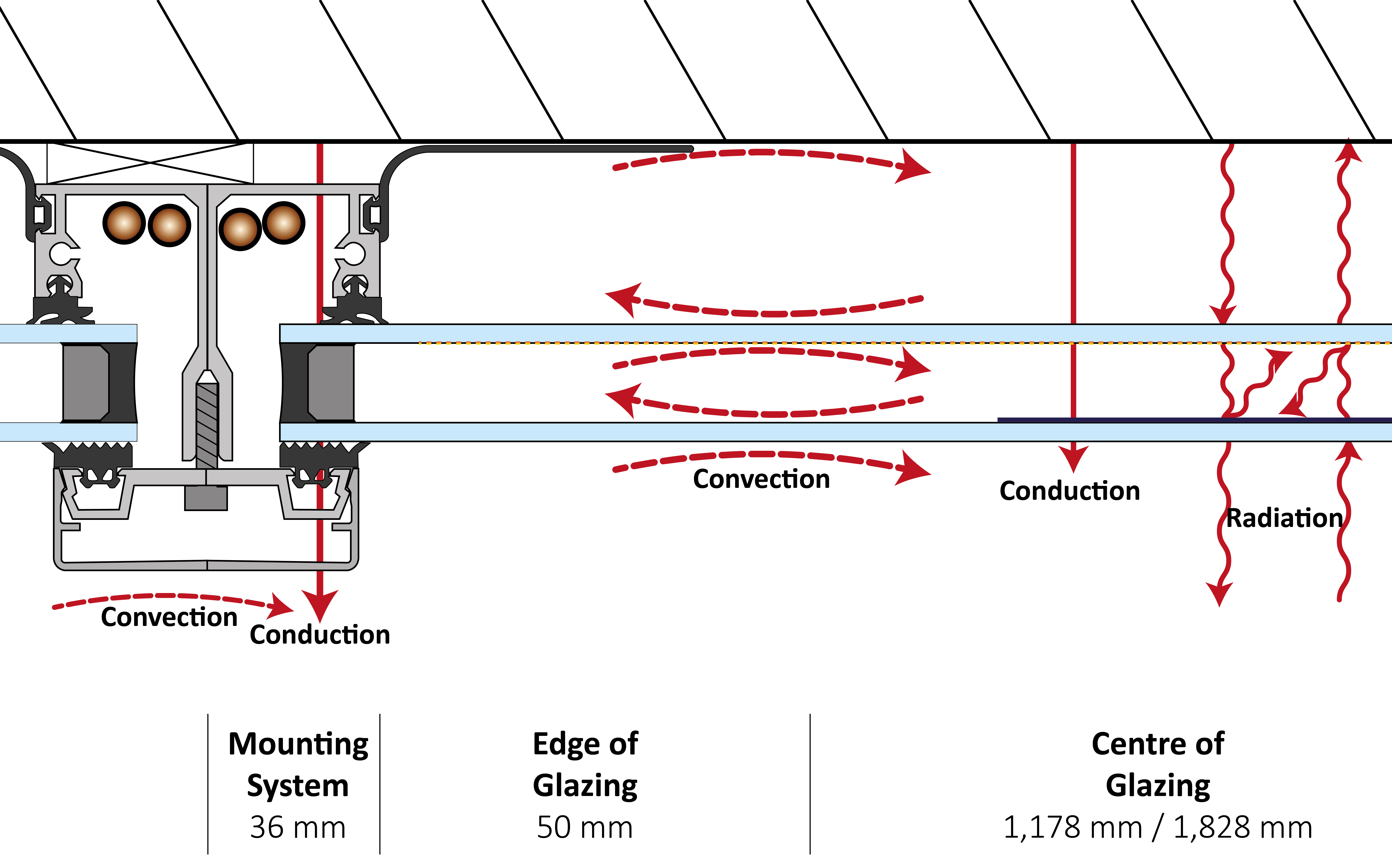
As a boundary between interior and exterior, the building envelope and its thermal properties are crucial for heat lost and indoor comfort. Dynamic building envelopes offer the potential to optimize buildings in terms of energy efficiency, save resources, and adapt to the needs of users. EnergySkin is a designed dynamic building envelope, that actively controls heat flow through existing façades by regulating the external wall temperature. Developed as a serial solution, it comprises a mounting system and façade modules. The basic element of the façade modules is an insulated glass unit...
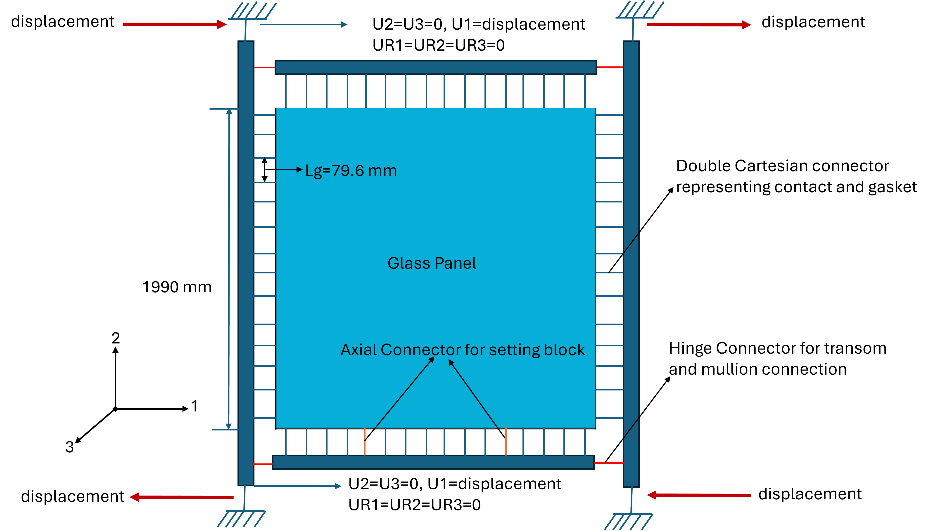
Major design challenges in facades for multi-story buildings are represented by extreme loading conditions, such as earthquakes. The mechanical response of glass systems, particularly against dynamic loads, is in fact extremely unpredictable, due to a combination of multiple aspects. Even few details (i.e., connectors) can strongly modify the overall structural performance, in terms of global stiffness, load-bearing capacity, failure mechanisms, etc. Therefore, to accurately detect the true behaviour, performance indicators and resisting mechanisms of glass against such loads, robust...
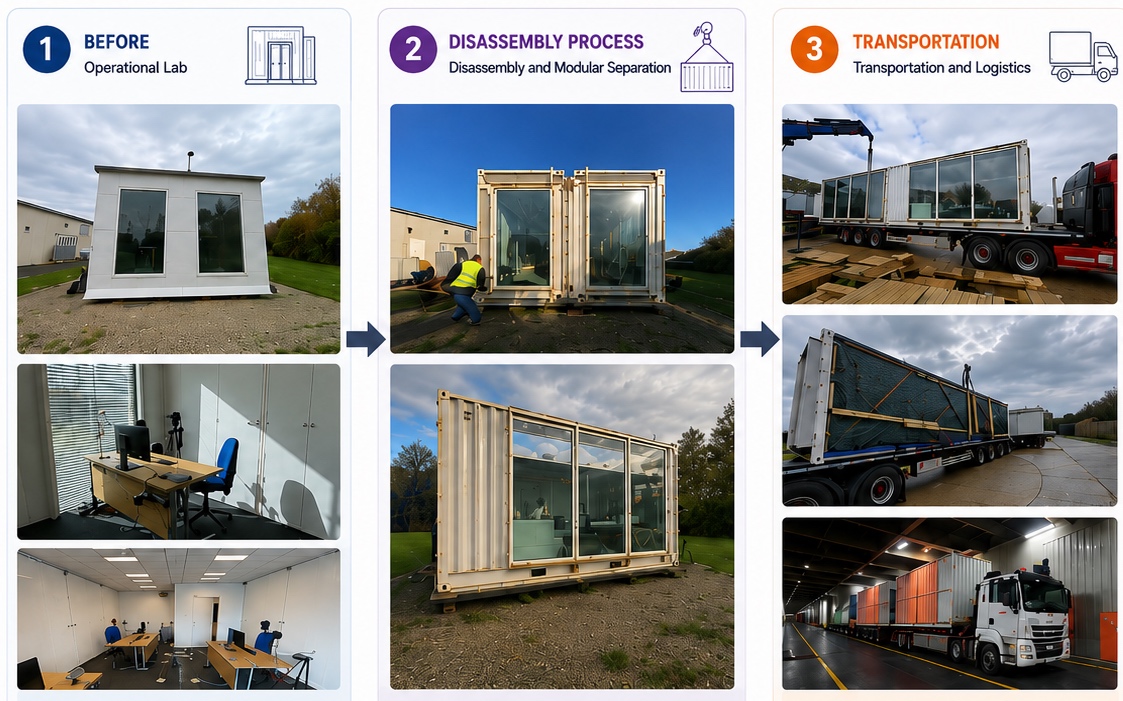
Experimental research on human–façade interaction is essential for advancing user-centered façade and glazing technologies, particularly in relation to serviceability of glass and façade technologies, multi-domain comfort and resilience and acceptance with novel technological approaches. Yet only a limited number of laboratories worldwide provide flexible, reconfigurable, and realistically scaled test environments capable of hosting human participants. The MATELab—originally inaugurated in 2018 in Cambridge (UK)—is one such facility. In 2024, the lab underwent a full...
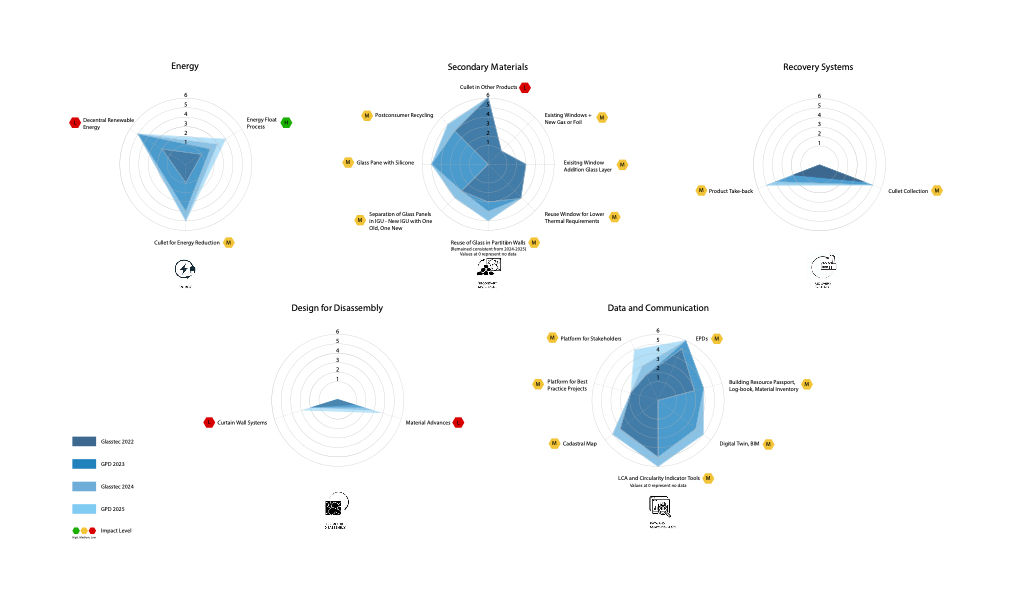
The glass industry is undergoing a profound transformation on its path toward climate neutrality by 2045. Along the value chain of glass and facade products, varying challenges emerge: while environmental considerations can be integrated relatively easily in some segments, others demand fundamental systemic change. Within the CircuClarity initiative, stakeholders from industry and academia collaborate to advance innovations supporting climate neutrality and circularity. This study evaluates the current state of...
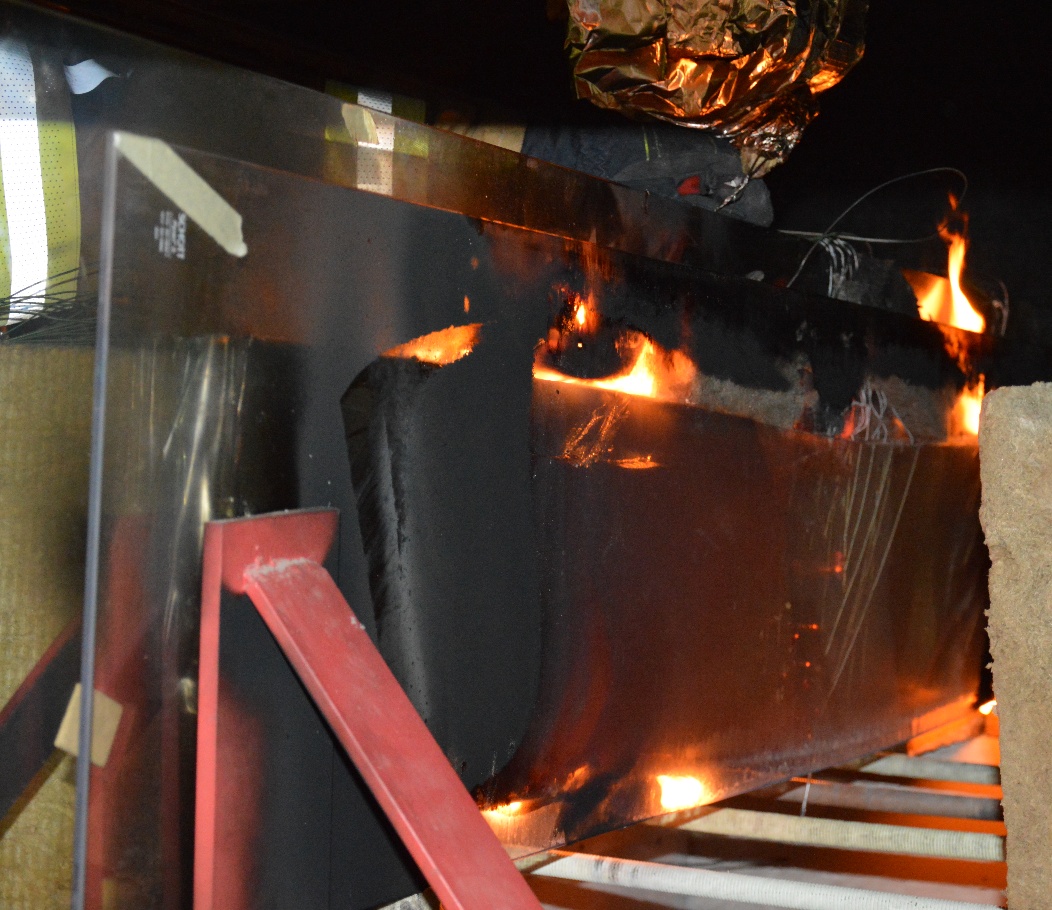
The paper deals with experimental verification of the behaviour of laminated glass beams under fire load according to the ISO 834 standard temperature curve. Two fire tests were performed on laminated glass beams. The first test involved a three-layer beam made of float glass. The second test specimen had the same composition, but with the addition of a protective outer layer of borosilicate glass. Both test specimens were loaded with a point load in the middle during the experiment. During the tests, the time development of temperatures in the cross-section and the deformation of the...
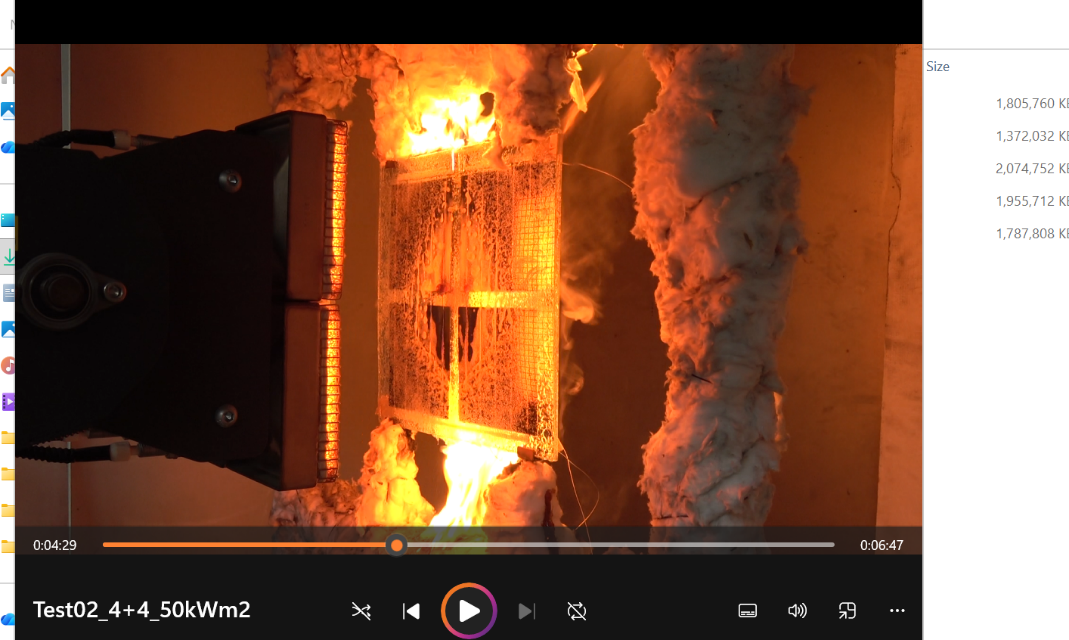
An experimental and numerical investigation on the behaviour and failure mechanisms of glass-glass building-integrated photovoltaic (BIPV) modules for facades when exposed to fire was carried out to assess the thermal performance of point-fixed BIPVs (40 × 40 cm their size and 4+4 mm the glass thickness). A high-performance radiant panel system was employed to reproduce controlled thermal exposure for 600 seconds at 50 KW/m2 and to monitor some key parameters, including the temperature evolution, the fracture initiation, and the associated failure modes. Transient heat transfer...
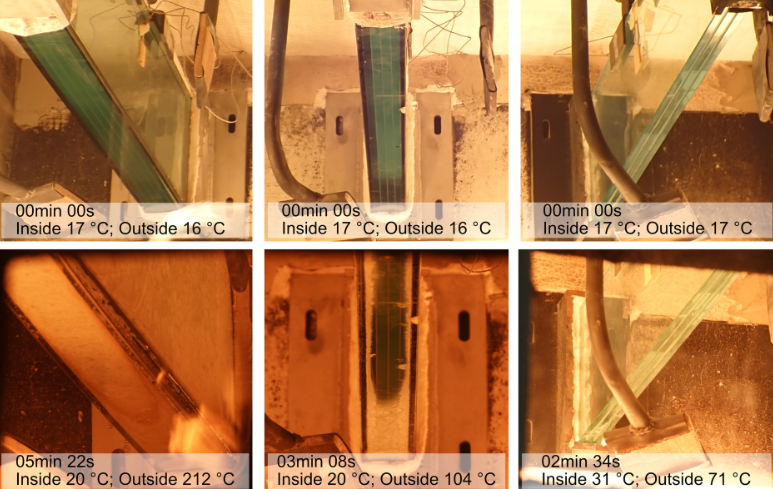
It is evident that glass, a highly regarded building material, has already become a prominent feature in building construction, not only in the context of façades but also as a load-bearing element. Nevertheless, the use of increasingly larger glass elements in these prestigious buildings demonstrates that glass is not merely the external finish of the building. Glass beams or glass fins serve as the façade’s substructure. This means that glass must be considered in the building's fire protection concept to maintain structural integrity. However, prior research has demonstrated poor fire...
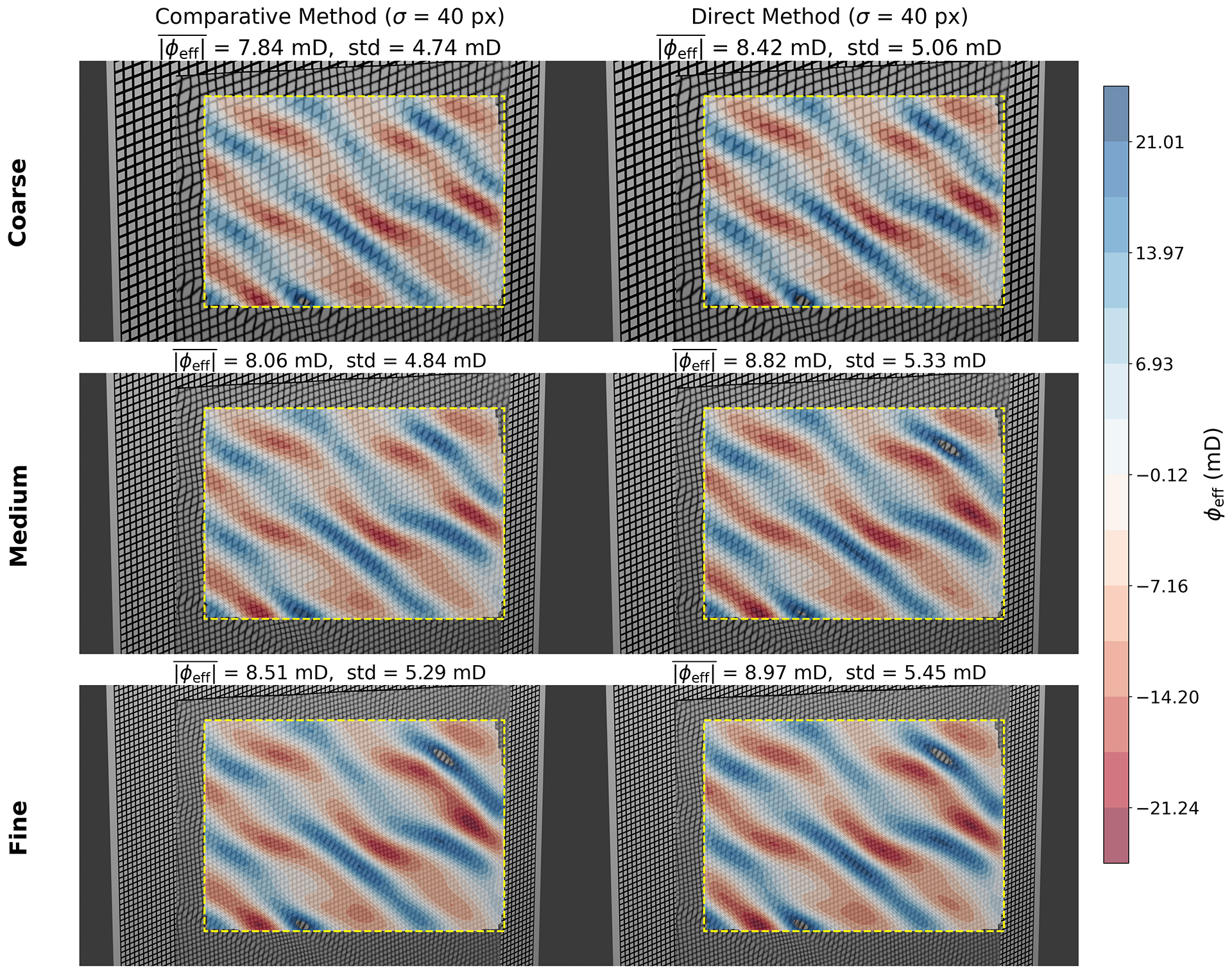
Architectural panelled glass lacks an objective method for assessing optical distortion: surface topography captures only reflected flatness (weakly correlated with the through-glass distortion observers report) and visual inspection is neither reproducible nor deployable on installed panels. We address this gap with an image-based methodology that measures distortion as observers perceive it: the apparent displacement of a background pattern seen through the glass, reported as a two-channel field of sphere-equivalent optical power and cylinder-equivalent astigmatism. The methodology...
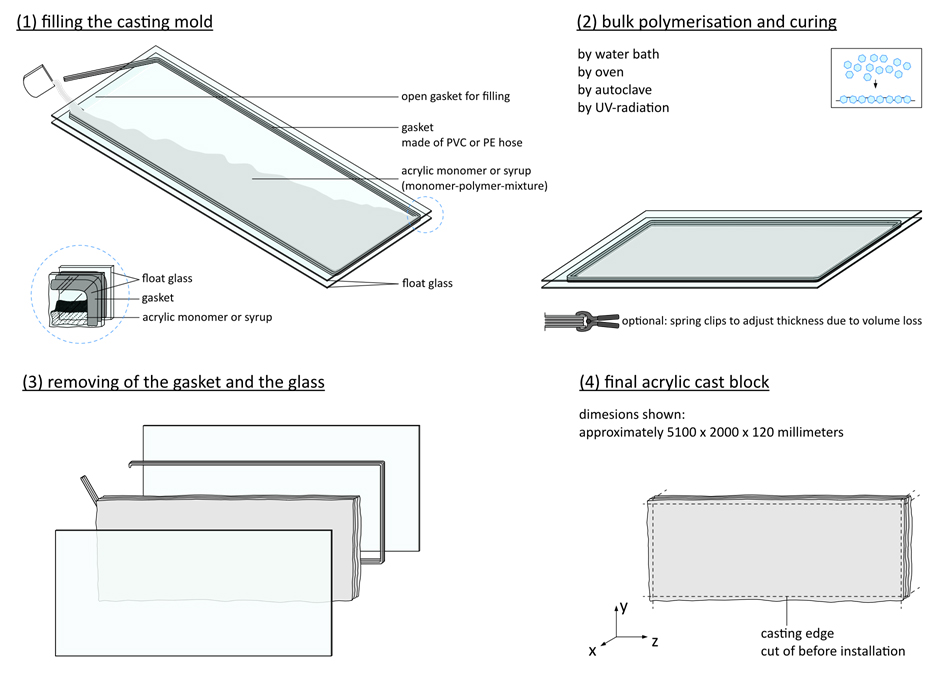
Cast monolithic acrylic blocks with thicknesses over 25 up to 150 mm are particularly used for large glazing applications such as aquariums and pools. However, there are currently no regulations for cast blocks of this thickness. It is essential to obtain reproducible measurements of mechanical material properties using tensile and three-point bending tests. Recommendations for specimen preparation are missing, even though it is known from glass engineering that the brittle fracture of PMMA also originates from surface cracks and flaws. This study investigates the influence of different...
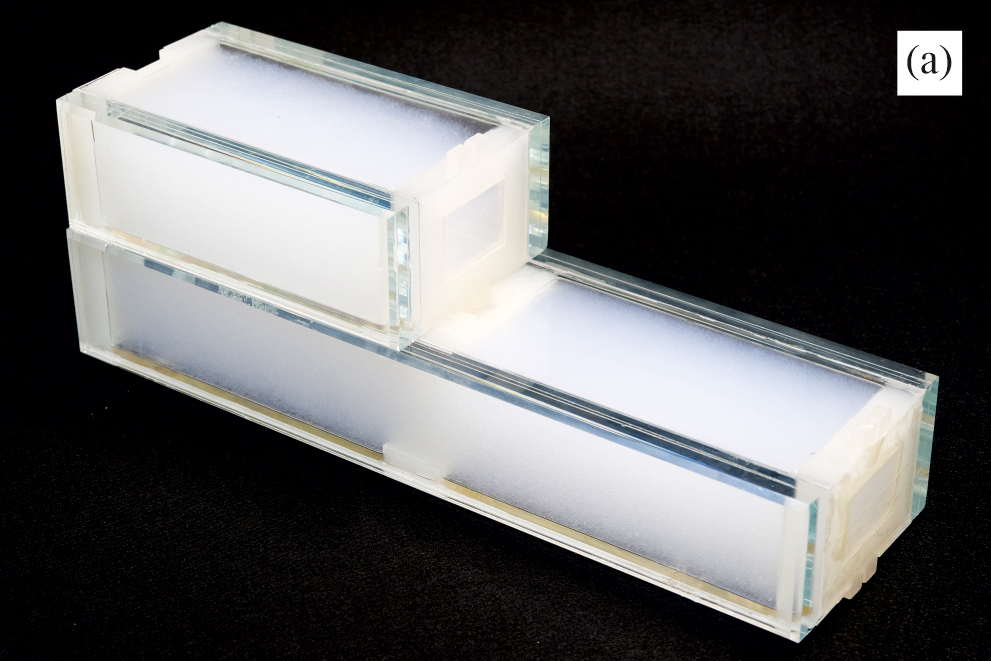
A novel type of glass brick, made from two packages of laminated annealed flat glass and a relatively deep cavity filled with aerogel granules, provides a balanced solution for meeting façade requirements related to thermal insulation and light transmission. Preliminary investigations on the structural performance of the prototype brick under thermal cycles highlighted the need for optimizing the connection between the plastic spacers defining the cavity depth, and the laminated glass. Moreover, it was recognized that this translucent glass brick would be a suitable application case for...
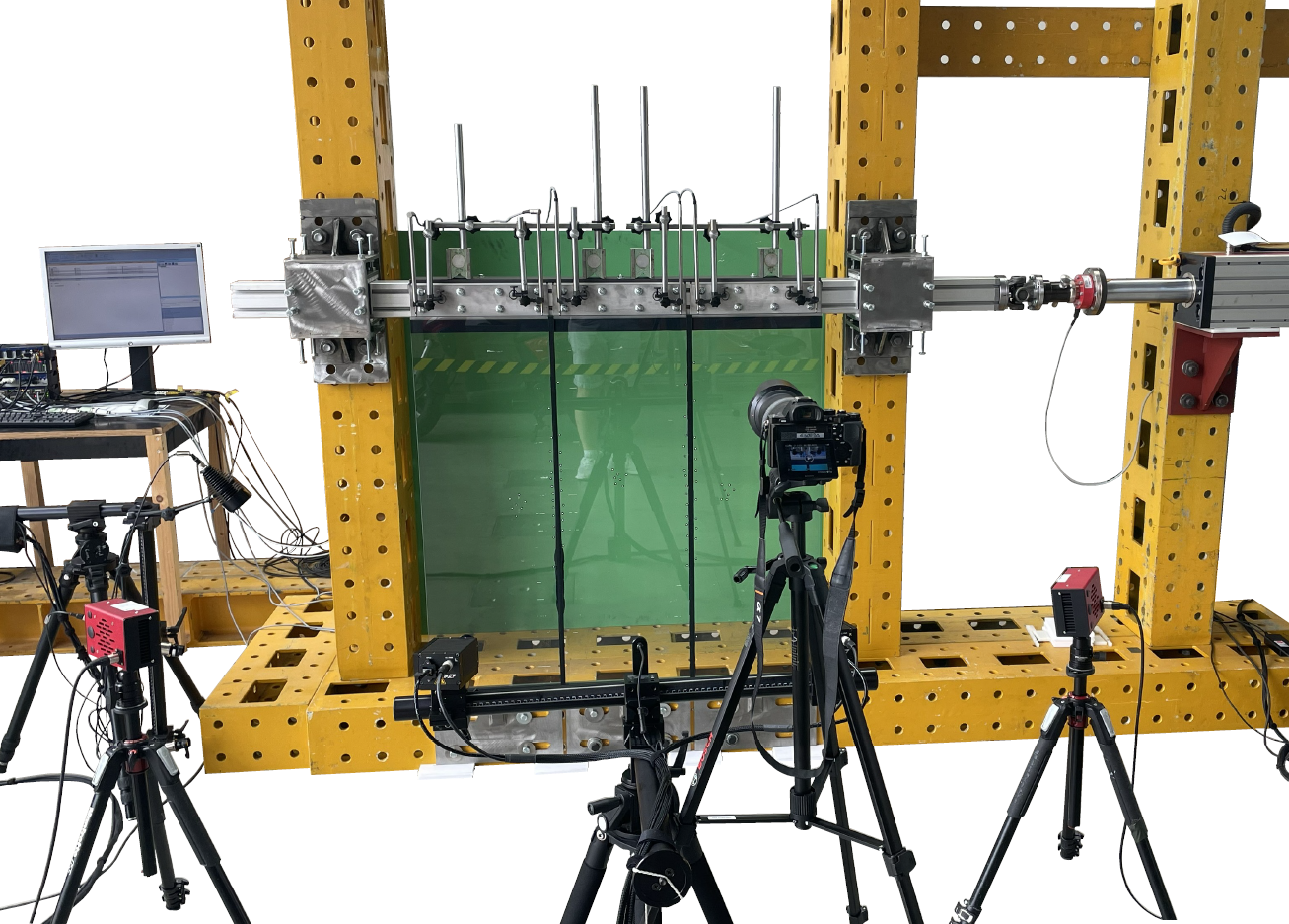
Structural Sealant Glazing (SSG) facade systems are exposed to significant deformations under extreme wind or seismic loading in certain regions, while current design standards only insufficiently capture the cyclic behavior of bonded systems subjected to large deformations. In this study, large-scale component tests were conducted on three-panel glass facade assemblies with vertically coupled SSG joints. The specimens were subjected to cyclic in-plane displacements using an electromechanical actuator at a frequency of 0.5 Hz to simulate interstory drift. Several load...
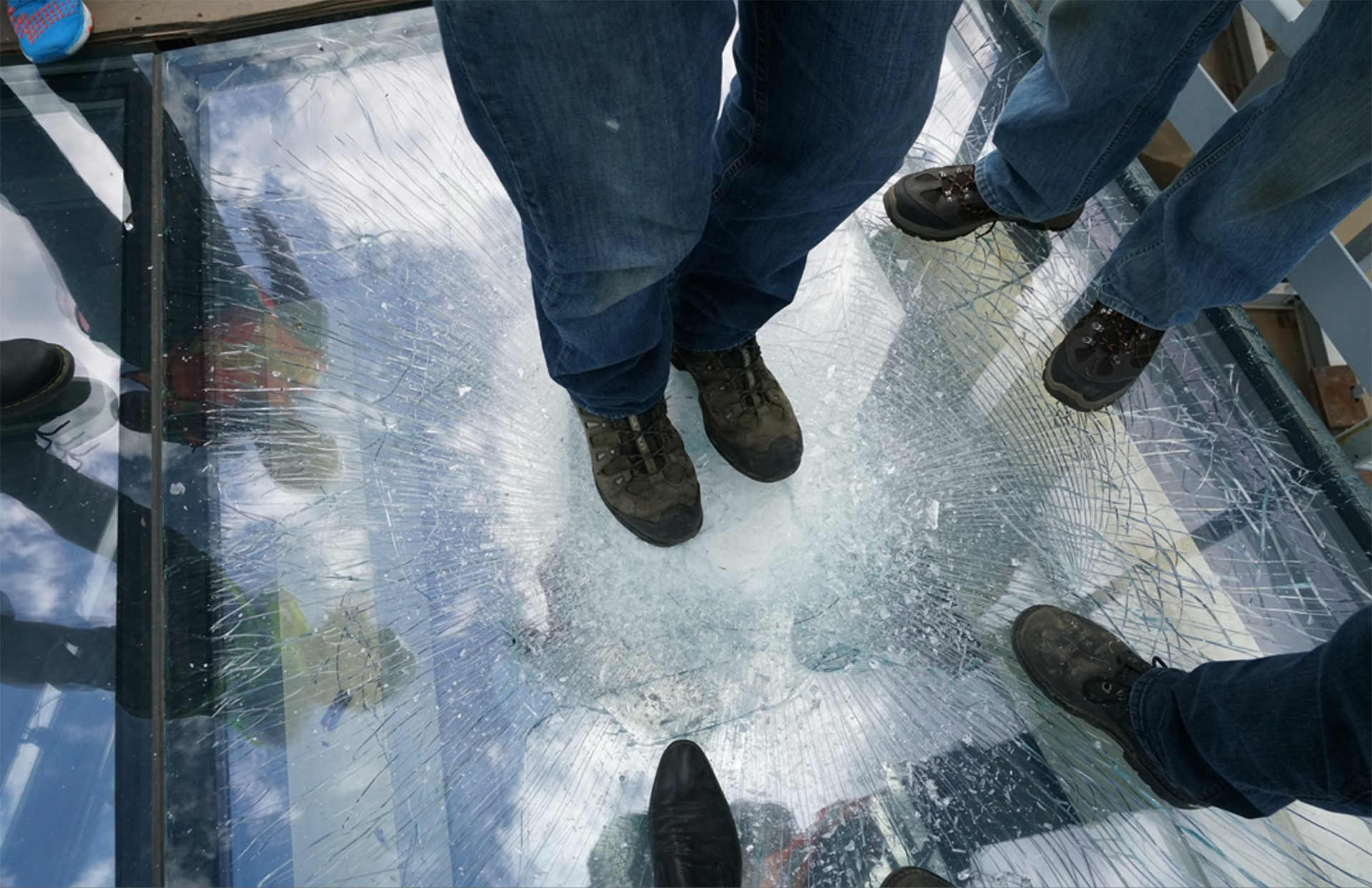
Testing forms an important part of designing structural glass systems. Calculation generally only predicts failure of the mechanisms that are checked for, so rely on the experience and judgement of the designing engineer. However, glass systems lack ductility and are intolerant to incorrect assumptions, so validation testing, even when calculations are well prepared, performs an important role. Design standards with equations for the applicable limit states are available for most structural materials and are the most common approach. “Rational analysis” based on published papers and...
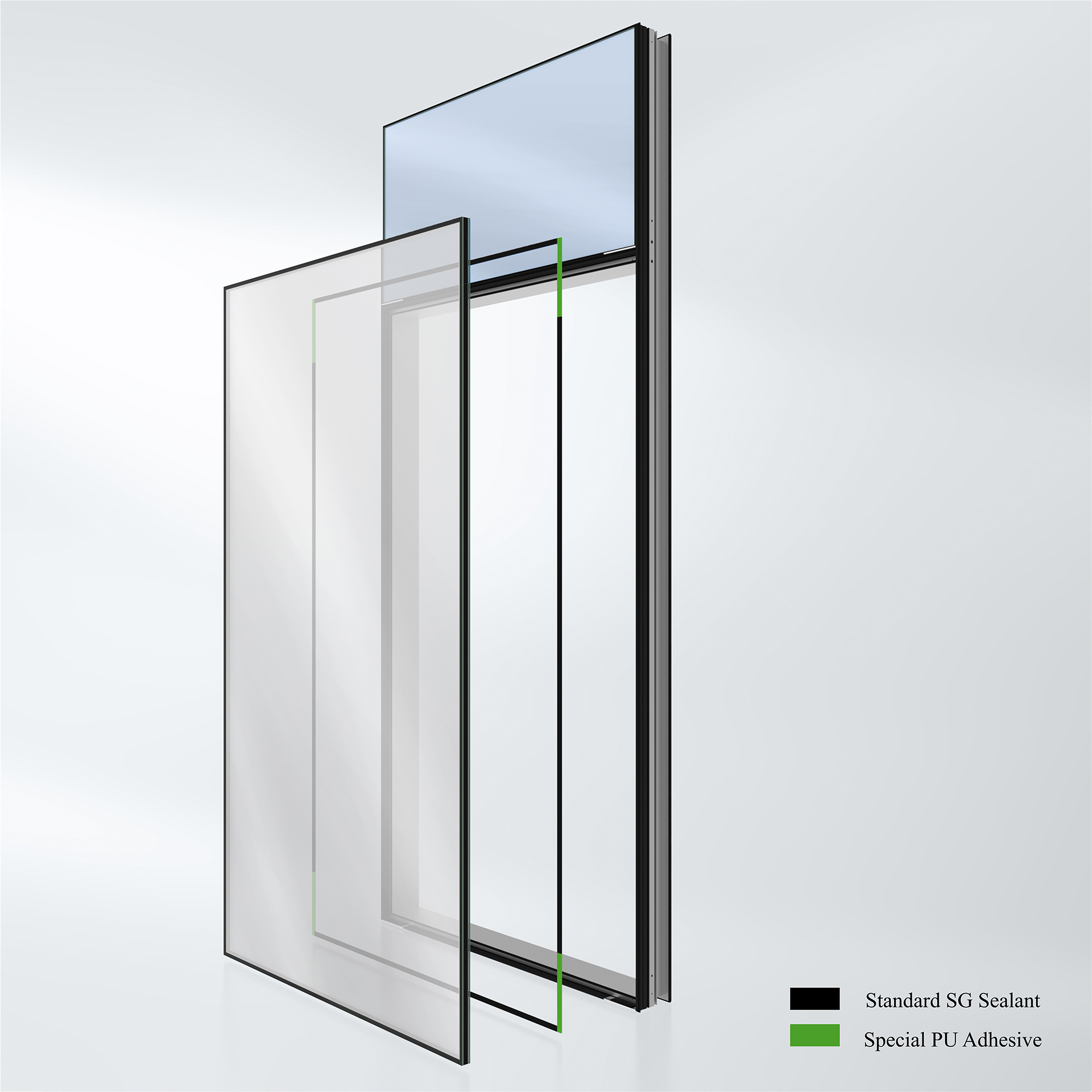
Innovation in façade design and material efficiency is essential to meeting stringent sustainability targets and reducing the embodied carbon of building envelopes. This study presents full-scale structural testing of unitised façade panels incorporating advanced glass–aluminium bonding technology, in which adhesive connections are utilised to enhance flexural stiffness. Tests conducted under controlled laboratory conditions demonstrate that the system enables structural optimisation while satisfying serviceability and strength criteria, allowing up to a 15% reduction in aluminium...
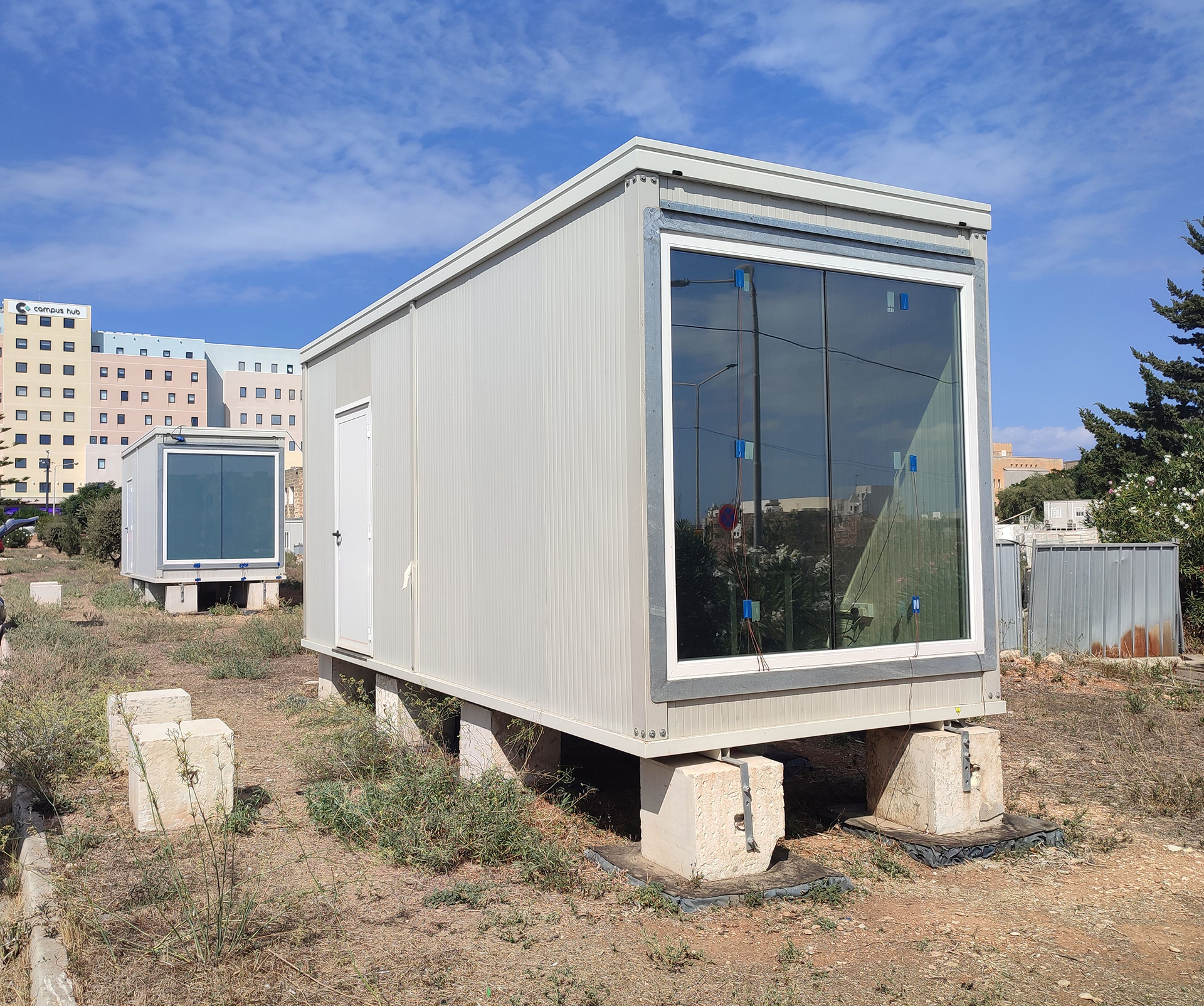
Façades with a high window-to-wall ratio in Mediterranean climates pose substantial challenges in terms of overheating and excessive daylight. The control of glare and privacy is often retrospectively improvised using cumbersome internal blinds, while blocking outward view whilst offering protection against overheating and glare, fixed external shading devices lack adaptability and motorised versions of such often cause long-term issues with their moving parts. This paper discusses the visual performance of a prototype dual dynamic insulated glazing unit comprising of two, independently...
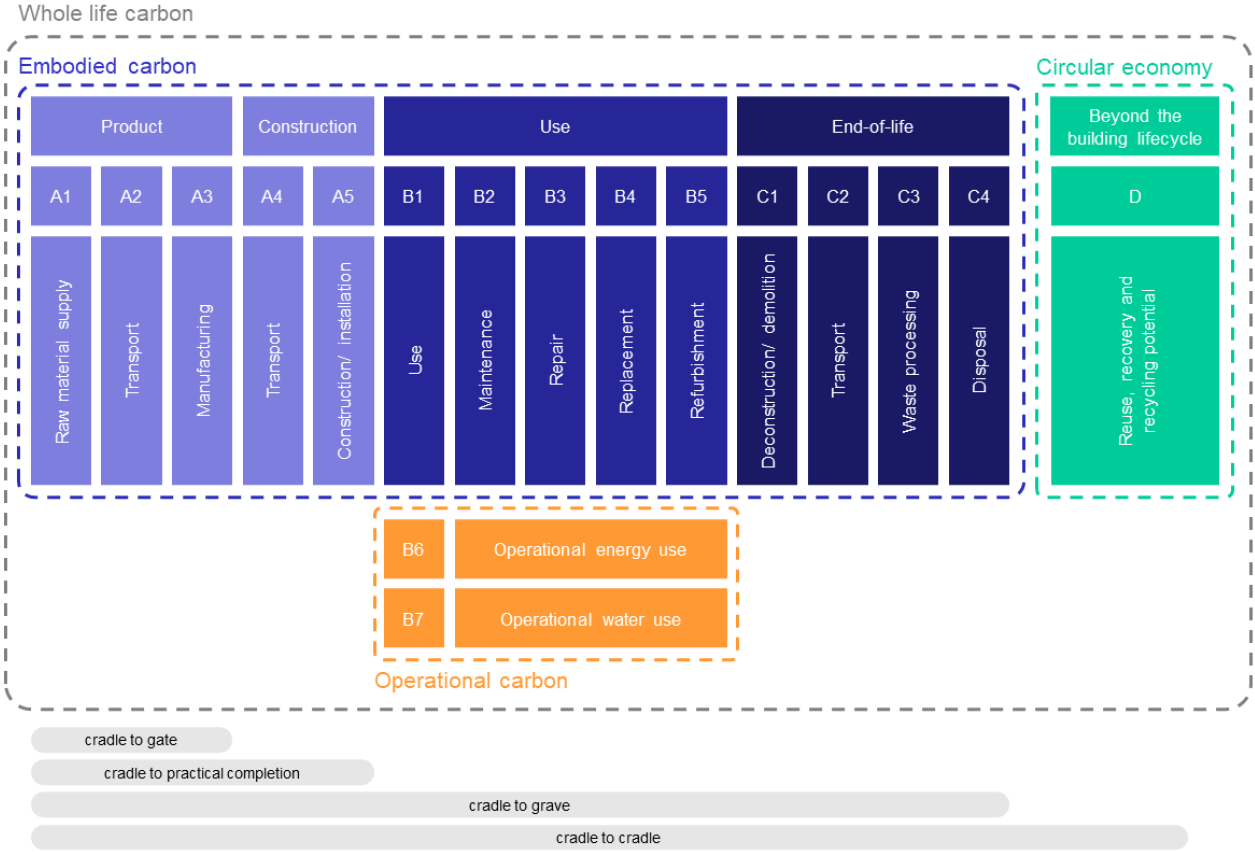
Architectural glass accounts for approximately 26 % to 60 % of the total façade embodied carbon, depending on the façade typology and glazing configuration. Within the European Union the EN 15804 constitutes the core standard for the assessment of environmental impacts of construction products. The standard structures the data in a framework of four life cycle stages (A to D) and further separate these into seventeen modules. The Environmental Product Declarations (EPD’s) are voluntary product labelling systems structured according to the modular framework defined in EN 15804. Using...
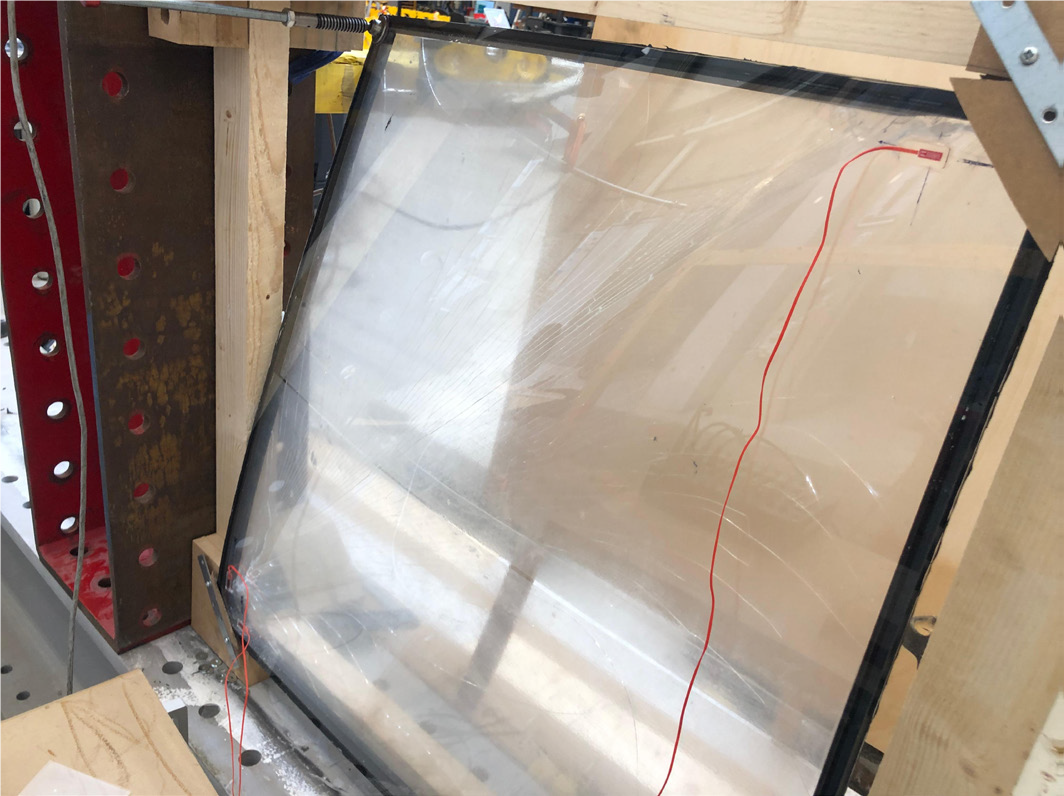
Recent developments in thin glass technology and flexible edge spacers present an opportunity to addresses notable fabrication challenges in conventional curved insulated glazing units, namely the undesirable visual distortions arising from hot bending the glass and the limited curvatures allowed by the glass strength. This study investigates the structural feasibility of flexible insulated glazing units (IGUs) incorporating chemically strengthened thin glass and a flexible spacer system, with the objective of enabling higher cold-bending curvatures than those...
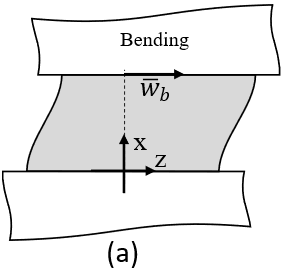
This paper presents an analytical framework for characterising the lateral compliance of a cylindrical column constrained between deformable elastic substrates, with direct application to the contact mechanics of pillars used in vacuum insulating glass (VIG) units; these pillars support the glass panes as a set of discrete array points over the glass surface to maintain separation under atmospheric pressure. Under combined normal and lateral loading, four physically distinct deformation mechanisms were found to contribute to total pillar (column) compliance: column bending, column shear,...
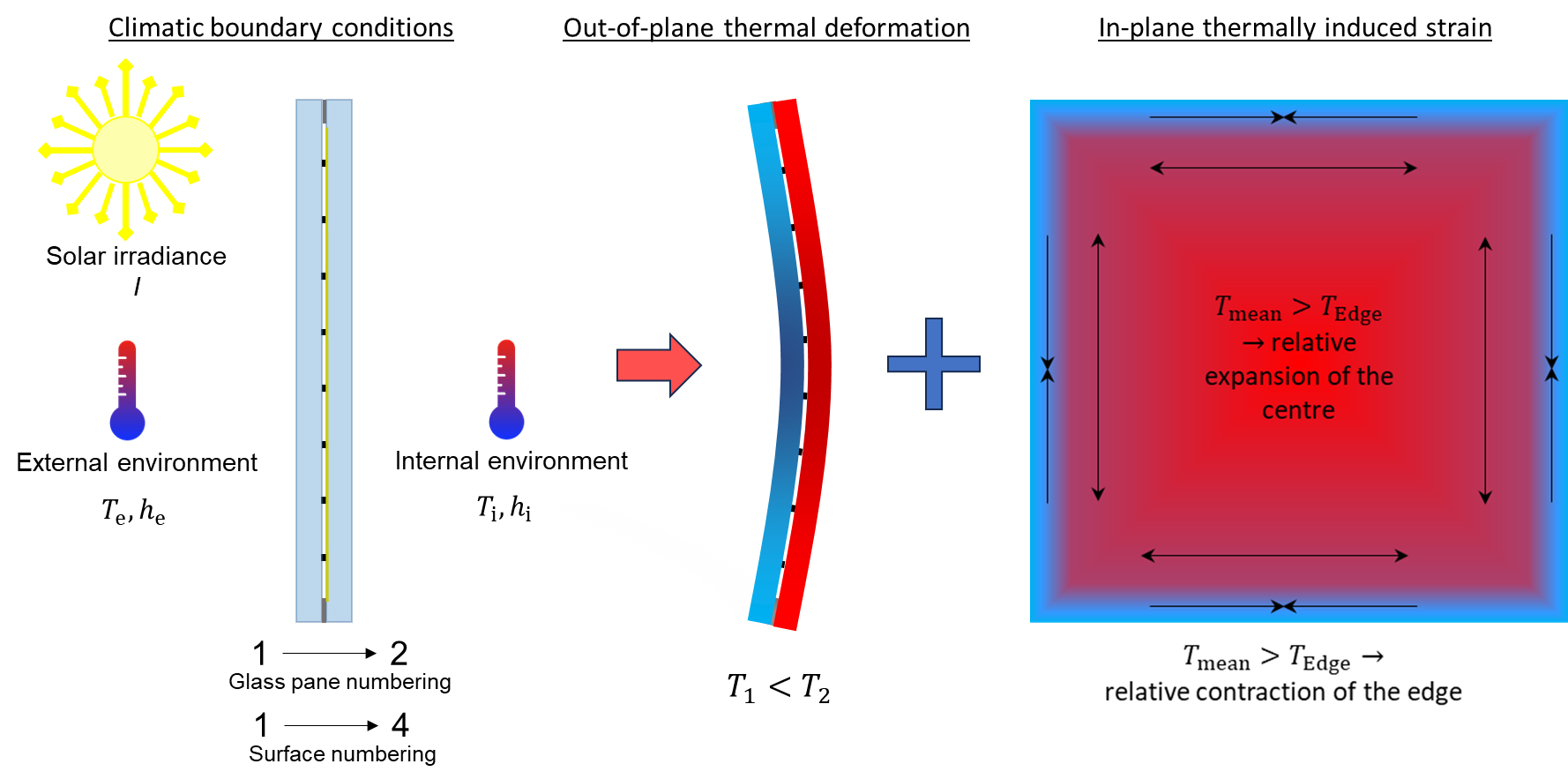
Vacuum insulating glass (VIG) enables high-performance façades, but its broad implementation requires standardized design methods. In addition to wind, snow, and self-weight, VIG is exposed to thermal actions governed by climatic boundary conditions. Ambient air temperatures, external heat transfer coefficients, and solar irradiance generate temperature gradients across the assembly that induce deformations and stresses. The thermal effects of these boundary conditions were experimentally reproduced in a temperature test stand by imposing temperature gradients (ΔT) on 350×350 mm²...
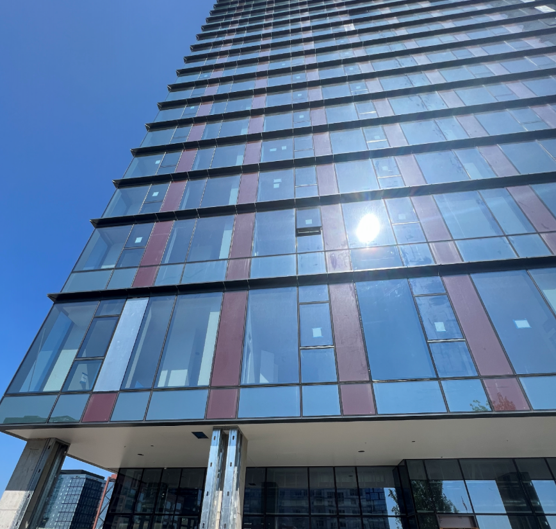
This paper presents various methodologies for calculating the temperature differential in glass spandrel panels. Some methodologies have been derived from direct measurements in case studies. Others from international standards or research papers. As energy codes for buildings continue to demand more efficiency within the exterior walls of buildings gradually, the ‘we always did it this way’ approaches will no longer work and may potentially lead to unsafe conditions for spandrel glass. Spandrel glass was developed to preserve a continuous glazing aesthetic while covering the perimeter...
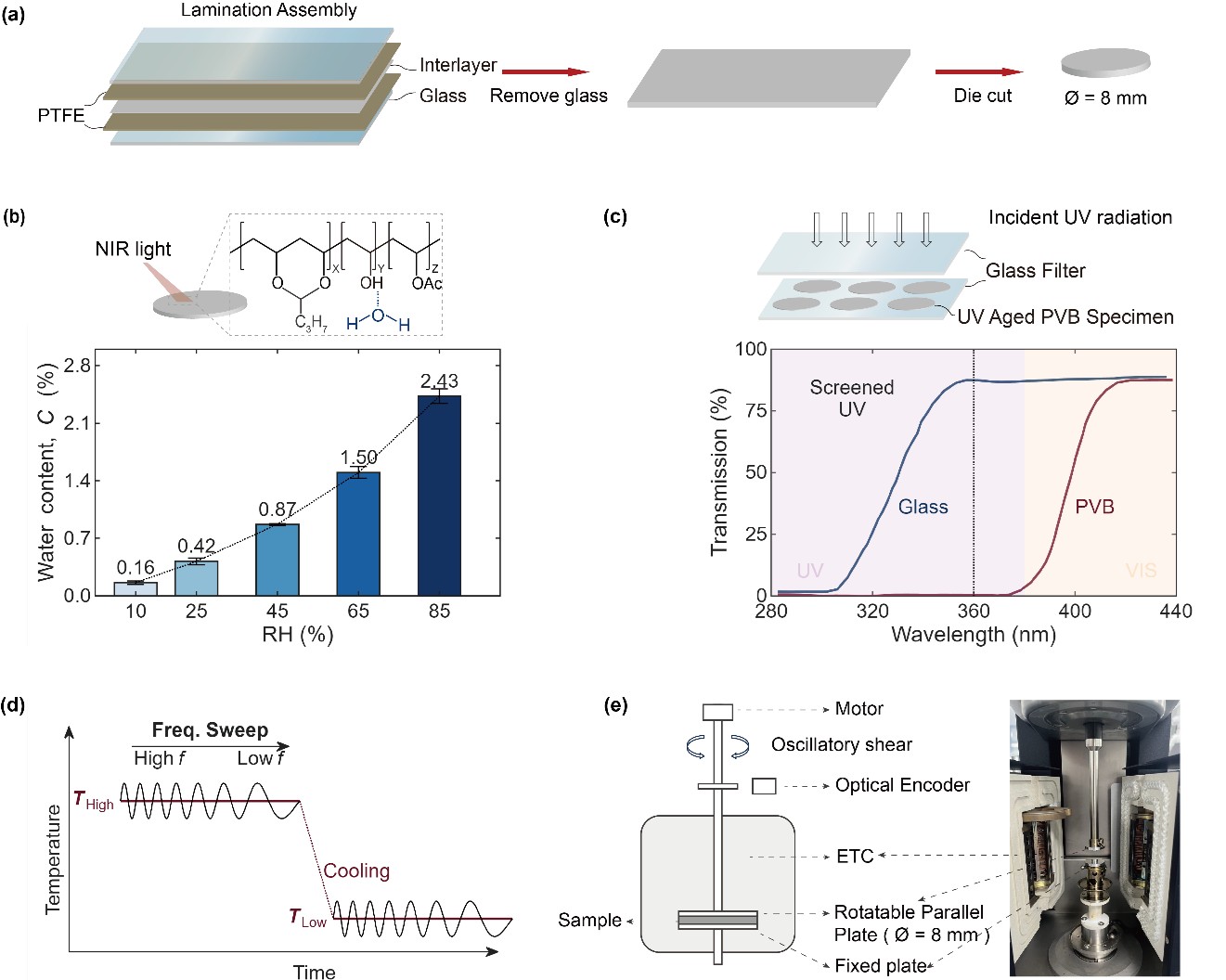
The shear response of Polyvinyl butyral (PVB) interlayers governs laminated glass structural performance, yet a unified physics-based model predicting shear modulus under environmental aging remains absent. This paper integrates shear-mode dynamic mechanical thermal analysis, solid-state nuclear magnetic resonance, and Fourier transform infrared spectroscopy to elucidate molecular mechanisms under humidity and UV exposure. Testing validates time-temperature superposition for pristine and aged states, revealing a dual-network system driven by entanglements and reversible hydrogen bonding....
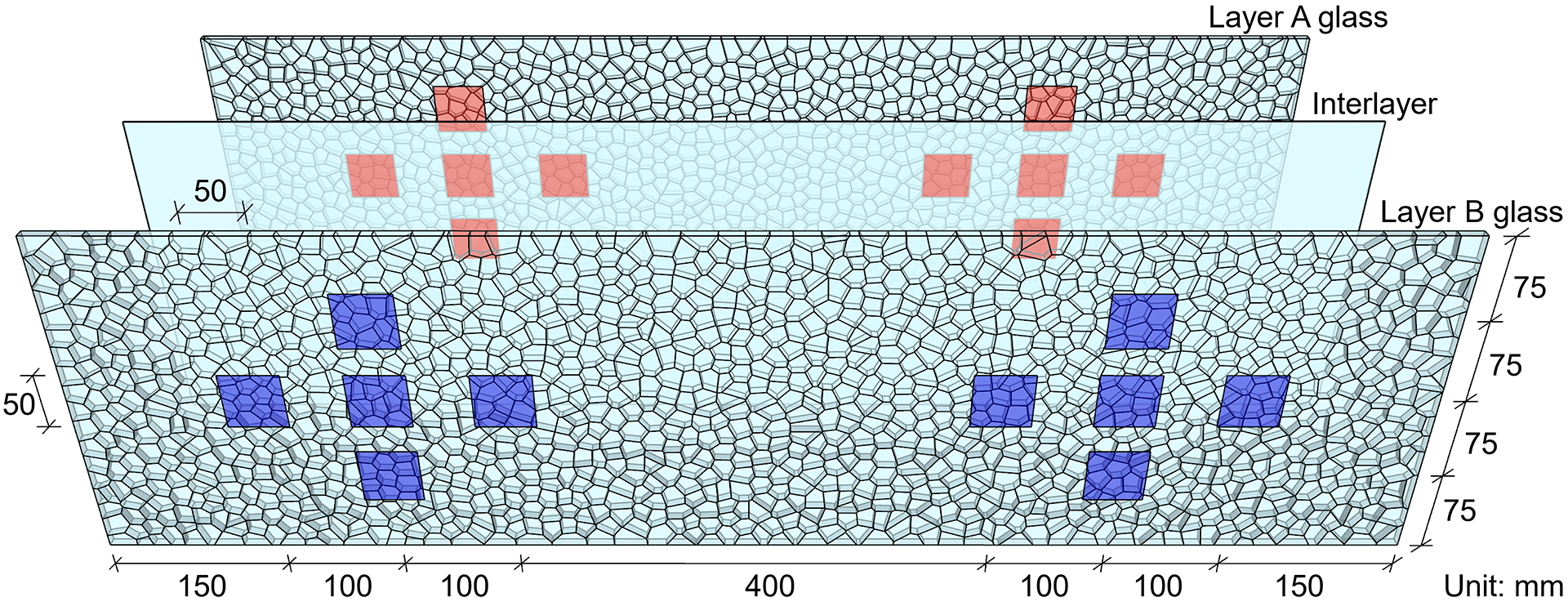
The performance of fully fractured laminated glass (LG) exhibits severe degradation compared with intact and partially fractured ones. This paper investigated two explicit and important outcomes during full fracture of LG, including the out-of-plane deformation and crack morphology. The identification of the initial state of fully fractured LG facilitates its performance evaluation. The fragmentation test was conducted considering three interlayers (ionomer (SG), modified ethylene-vinyl acetate (PVE®), and...
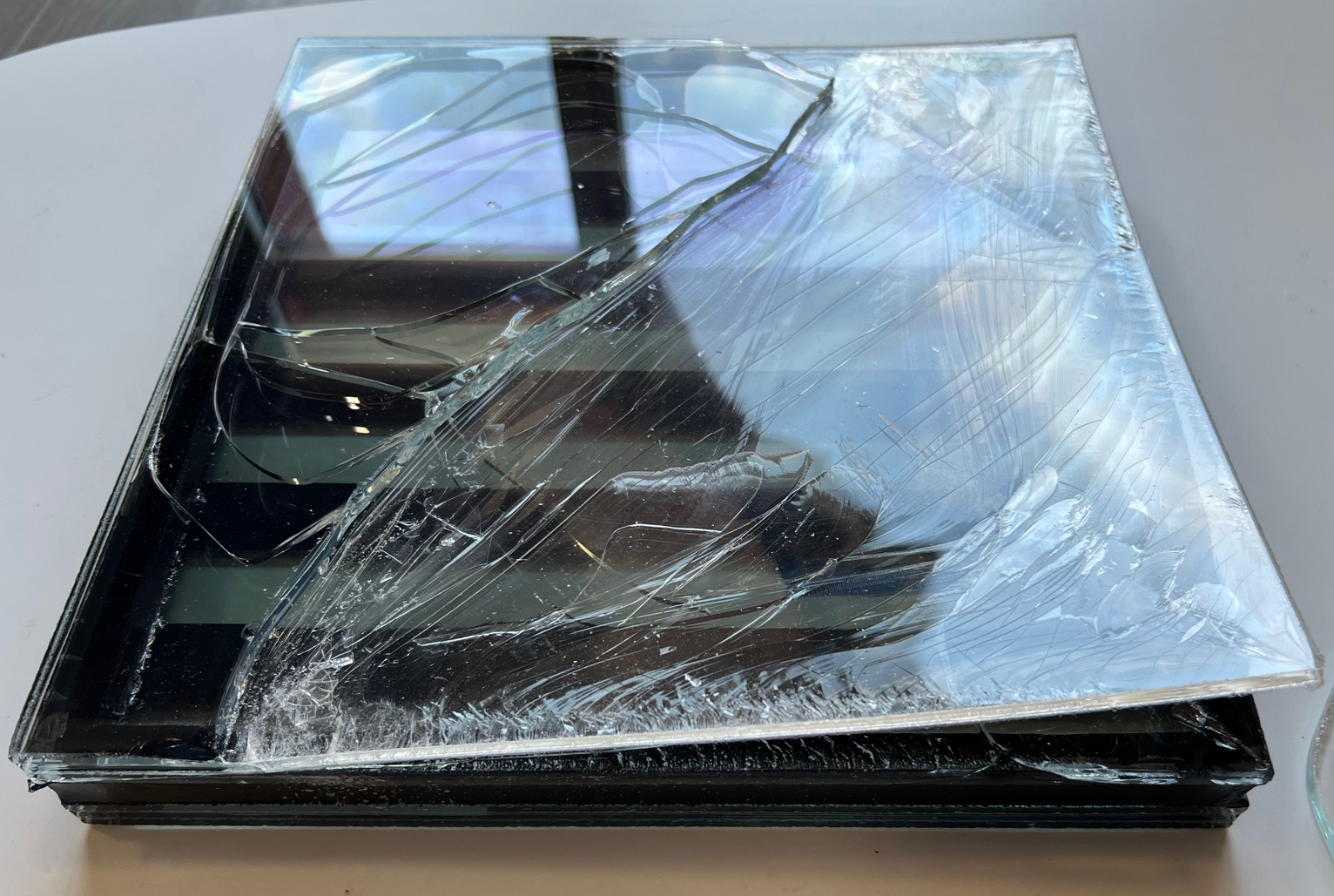
This paper presents behavior of thick interlayers under extreme cold temperatures, stemming from a review of failures of laminated glass panels for a public project in America’s Midwest. The glass included 4.57mm SentryGlas (SG) interlayer to achieve tornado resistance, which is three times the total thickness of typical SG interlayer. Failures, primarily in insulated spandrel areas, were initially attributed to high thermal stresses due to extreme cold winters (-36°C recorded) at the site location. Further study revealed that the contraction of the interlayer, exacerbated by its...
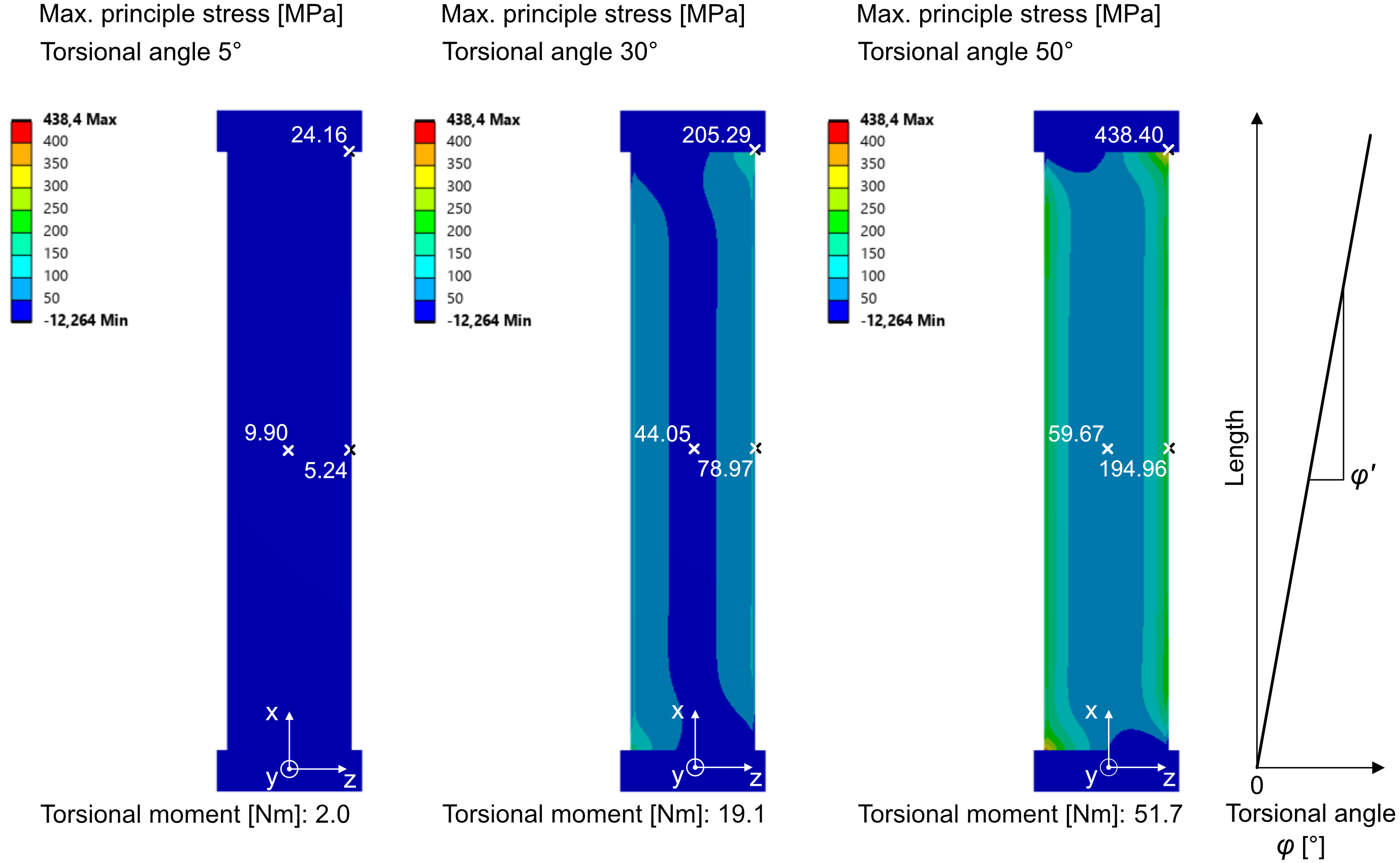
Thin glass below 2 mm in thickness is becoming increasingly interesting in façades with the growing importance of lightweight construction. Chemically strengthened thin glass offers high strength and flexibility; as a result, its large deflection capacities can be exploited by active cold bending, leading to new applications such as adaptive façades. To meet safety requirements, thin glass should be laminated. However, compared to conventional laminated safety glass, laminated thin glass (LTG) exhibits a much lower glass-to-interlayer ratio. In this study, the...
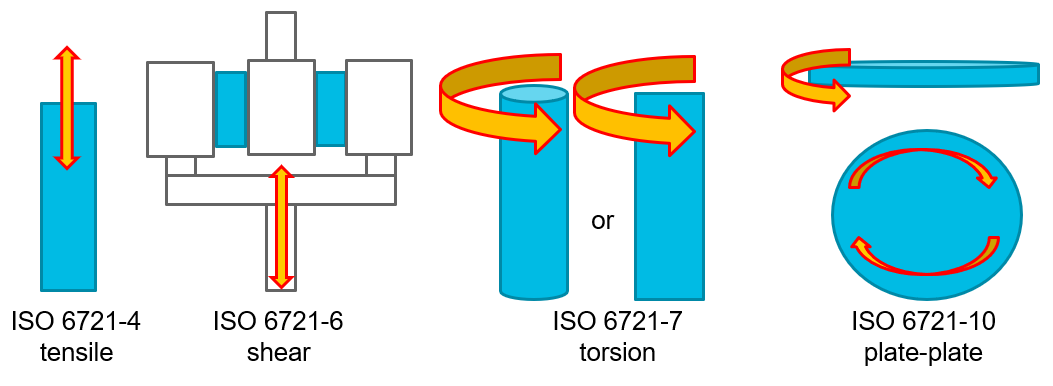
EN 16613 Determination of interlayer viscoelastic properties was first published in 2019 as a complementary standard to EN 16612 Determination of the lateral load resistance of glass panes by calculation. Both standards were prepared by CEN TC129/WG8 Mechanical Strength. At the same time, work on the future Eurocode EN 19100 Design of Glass Structures was progressing in TC250/SC11/WG1. Like EN 16612, this standard series requires reliable interlayer modulus properties for structural design of laminated glass. This working group expressed concerns over...
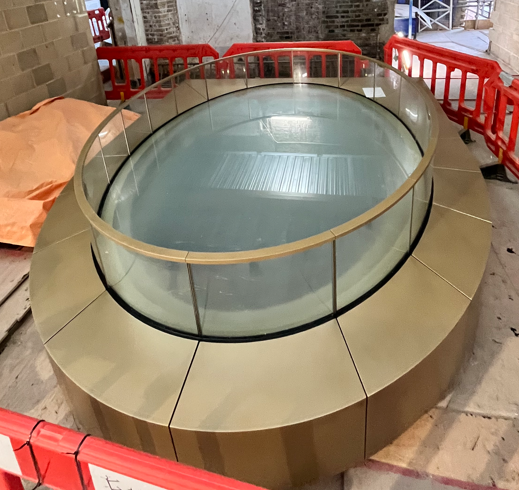
In 2026, RH will open its first gallery in London, in 7 Burlington Gardens, a grade II* Georgian Mansion. The project, designed by Foster + Partners, involved the renovation of a historic building, including the installation of several bespoke glass rooflights and a scenic lift shaft. Bellapart was in charge of the detailed design and engineering of these specialist works, as well as its fabrication and site assembly. The main rooflight consists of a hipped roof, with a central section composed of triangular insulating glass panels supported by a framework that includes solid oak timber...
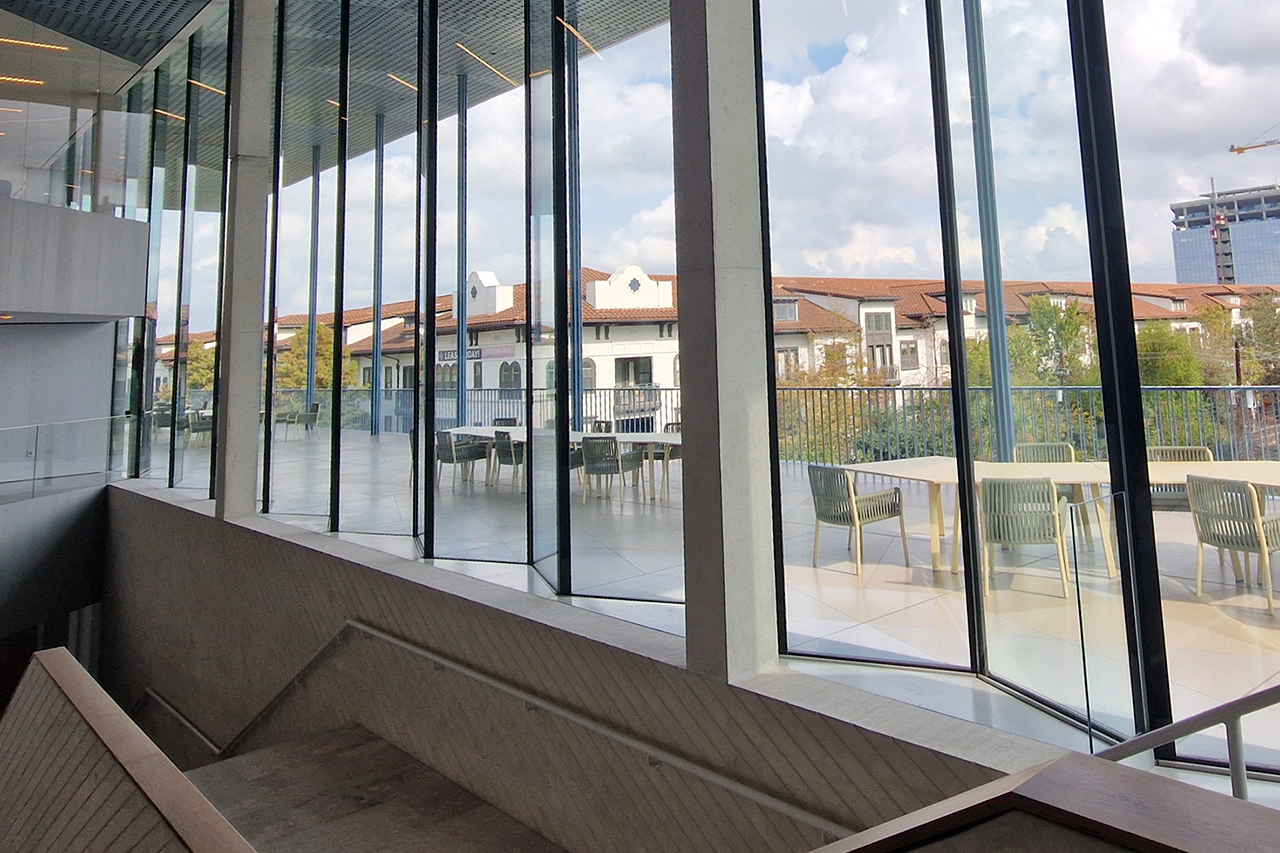
Following London (1985), Vancouver (1985), Lisbon (1998), Dubai (2008), Dushanbe (2009) and Toronto (2014), the Ismaili Center Houston was established in 2025. Commissioned by the Aga Khan, spiritual leader of the Shia Ismaili Muslims, and designed by Farshid Moussavi Architecture, the Center functions as both a place of worship and a venue for educational, cultural and social events. The architectural envelope – designed, engineered and built by Josef Gartner – stands out for its combination of traditional Persian architecture (including ceramic mosaics and stone screens) and...
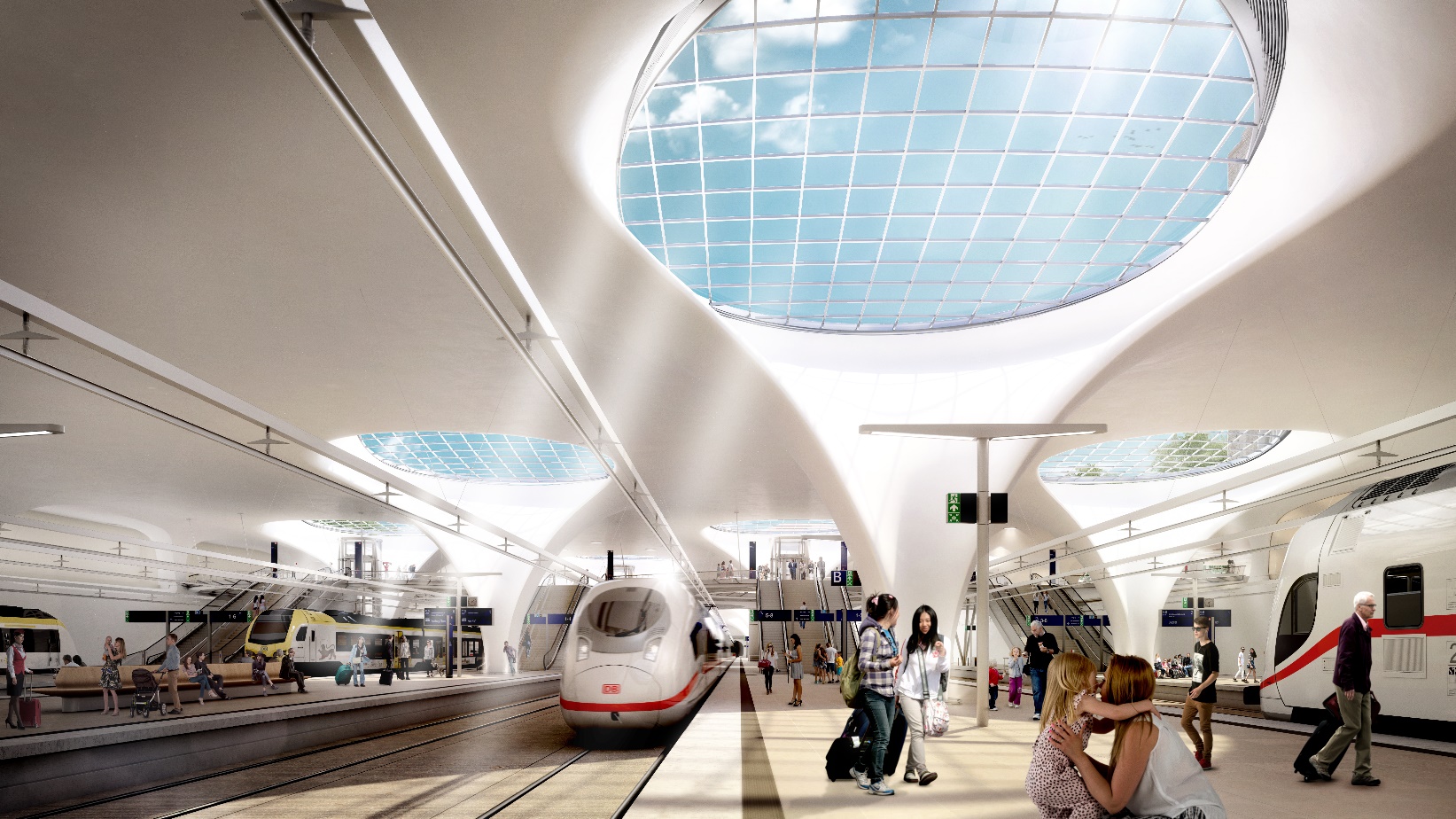
The new underground main station Stuttgart 21, designed by Christoph Ingenhoven with ingenhoven associates, is characterized by its distinctive reinforced concrete structure with iconic column-like “chalices” supporting large skylight openings, the so-called light eyes. These sculptural structures provide natural daylight and ventilation to the subterranean concourse and define the architectural identity of the station. In total, 23 regular light eyes consist of double-curved, anticlastic welded steel structures glazed with flat laminated glass panes. Integrated glass natural smoke and...

Historically manufactured glass is also nowadays often used in listed buildings due to its special optical properties. Occasionally, they are used for artistic applications. Since the properties of non-industrially manufactured glass deviate from the harmonised European standards, special considerations must be made to verify its usability. Glass manufactured using the cylinder blowing process is part of an artistic lamp installation in an overhead situation. Securing the glass shards in the event of glass breakage is particularly challenging due to the uneven glass surface. In another...
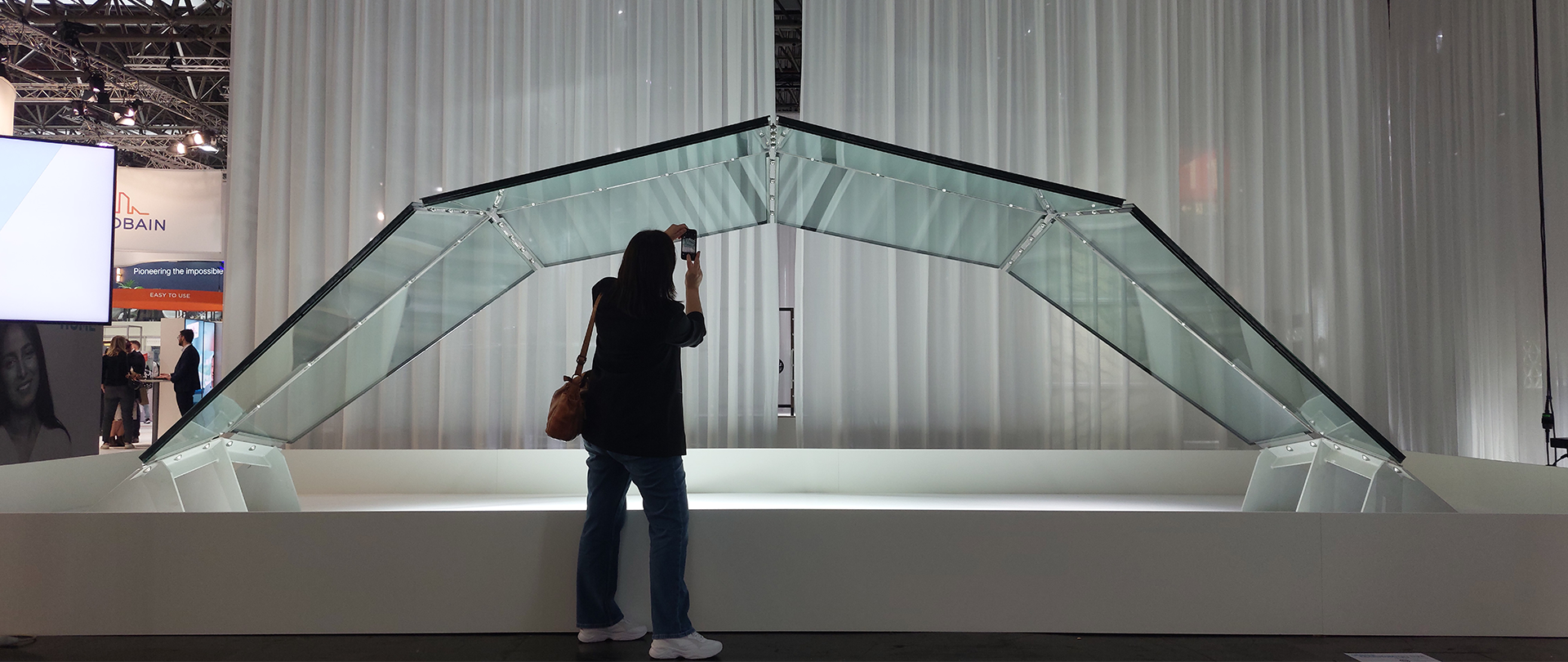
For more than two decades, glass shell structures have shaped architecture for their transparency and strength, traditionally using steel lattices with non-load-bearing glass. This project explores fully glass-based envelopes without conventional profiles, pushing the limits of transparent structural design while targeting material efficiency and CO₂ reduction. It investigates frameless constructions with laminated steel fittings between panes, enabling glass as a load-bearing, thermally effective envelope. Methods combine thermal simulations, structural detailing, and parametric...
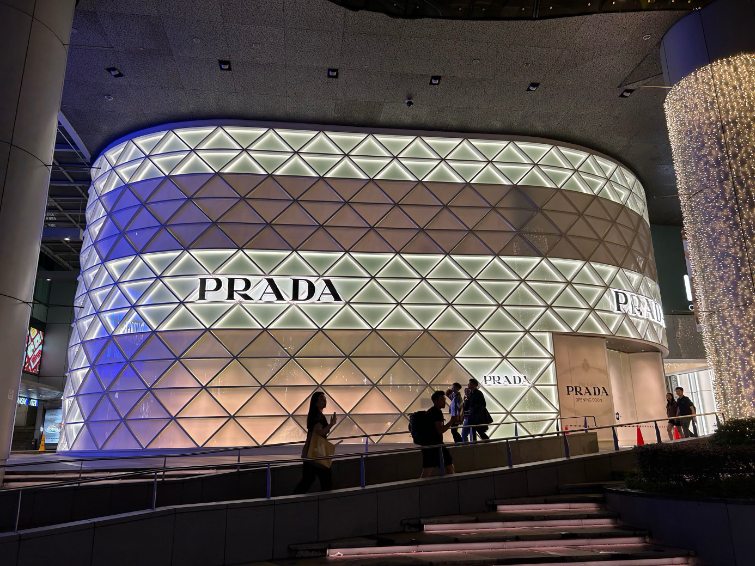
The Prada façade at Ion Orchard in Singapore represents a highly engineered steel-and-glass façade system that combines free-form geometry with advanced fabrication and integrated building services. The bespoke façade covers approximately 430 sqm and consists of 571 triangular glazing units supported by a prefabricated steel grid system comprising 27 t of structural steel and 6 t of aluminium components. The façade incorporates flat, curved, J-shaped and kinked glass geometries, creating a multidirectional grid...
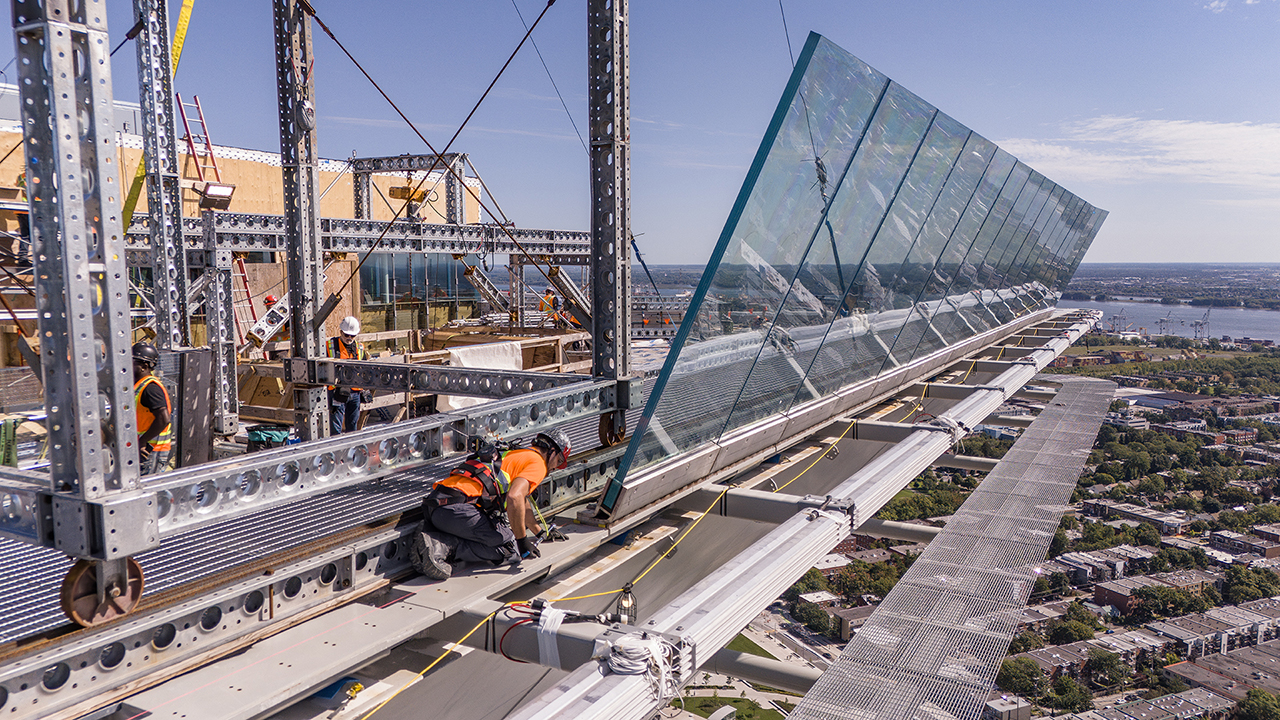
A major renovation project is underway aiming to revitalise the iconic leaning Tower of Montreal’s Olympic Stadium, an important landmark since the 1976 Olympics. Respecting the vision of the original architect, Roger Taillebert, notable interventions are the new preglazed curtain wall façade, the repurposed interior into a business hub and the addition of a complex glass-enclosed observation deck at the top level offering the public majestic views and a thrilling experience. This paper focuses on the new observation deck featuring a glass protective perimeter of imposing 3 m long,...

The Museum of Anthropology is one of Arthur Erickson's most famous designs and an outstanding example for Brutalism Architecture in Canada. Due to seismic issues of the original concrete framing, the Great Hall of the Museum was to be renovated. The original primary concrete structure could not be adequately strengthened, and it was decided to re-build this particular portion of the building on a base-isolated platform. As part of the re-build, the authors re-imagined and engineered a new structural glazing system that maintains the original design developed by Pilkington for Arthur...
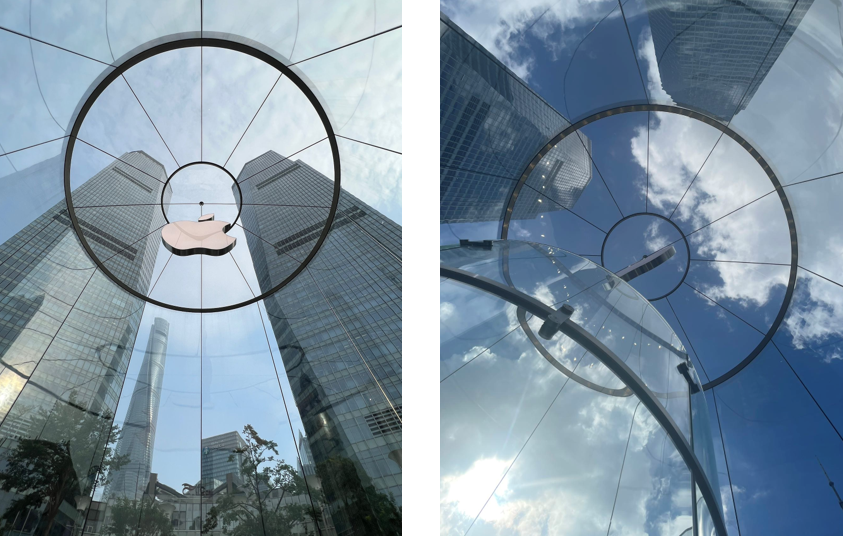
This paper presents the remodelling of a retail store in Shanghai, where an existing glazed drum of 10 m diameter and 12 m height, originally composed of glass fins and beams with infill panels, was transformed into a minimally supported structural glass enclosure while retaining the original architectural proportions. The paper first outlines the project background and the design intent to replace a conventionally framed system with a shape-driven glass structure. It then discusses the key design principles, the structural concept, and the load path developed through...
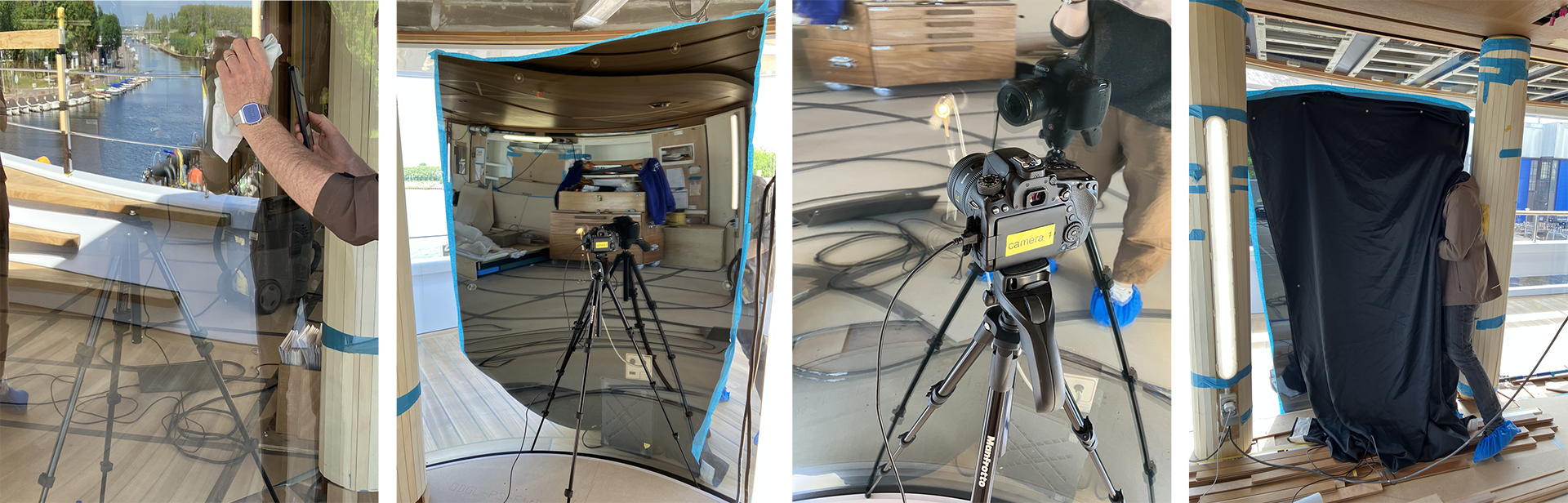
Haze in transparent glass façades is a subtle optical defect that becomes visible only under specific environmental conditions, yet it can significantly affect the visual quality of high performance glazing. Detecting low haze levels during production remains challenging, as visual inspection is unreliable and existing haze meters are primarily intended for laboratory testing of small plastic samples. This paper presents a refined, non destructive methodology for the in situ characterisation of low haze levels in installed glass façades, building upon previous work by the authors. The...

Haze in glazings critically influences the visual and functional performance of building façades. When haze defects occur, glazings are often replaced, leading to unnecessary material waste. Several factors affect occupants’ perception and acceptance of haze, yet systematic methods for its evaluation in architectural applications remain underdeveloped. This study investigates human acceptance and perception of haze in glazings under varying lighting and view conditions. Two types of subjective tests were conducted: one evaluating absolute perception of view clarity, and another comparing...
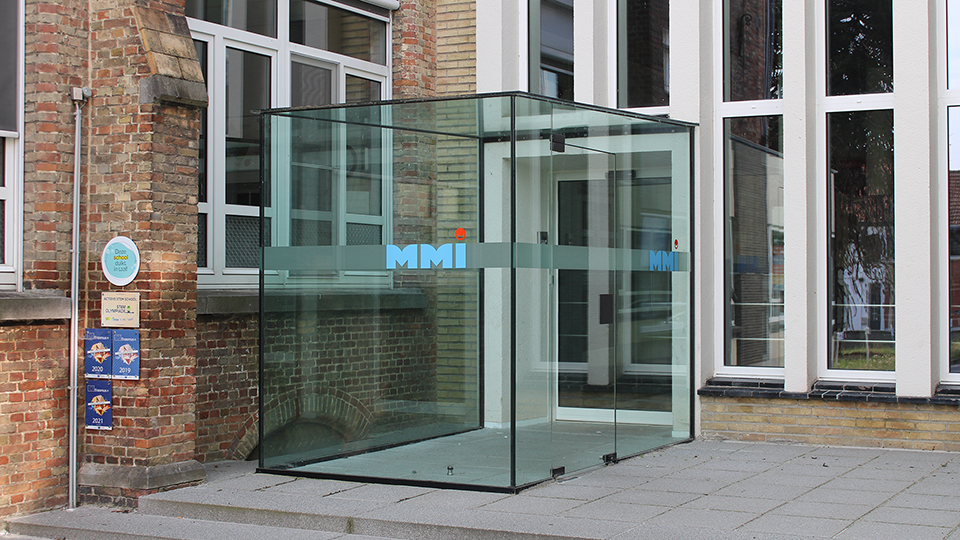
Vitroplena designed and installed an all glass pavilion serving as the entrance to a public school. The structure consists of a 3 m by 1.8 m glass box with a height of 2.5 m, constructed from 1010.2 (TTG,sPVB) laminated glass panels—combining thermally toughened glass (TTG) with structural PVB interlayers (sPVB)—that were adhesively bonded on site using a black structural silicone. One side of the pavilion is connected to the existing school façade, while the opposite side remains free standing, and a door is integrated into one of the side panels. The roof panel is...
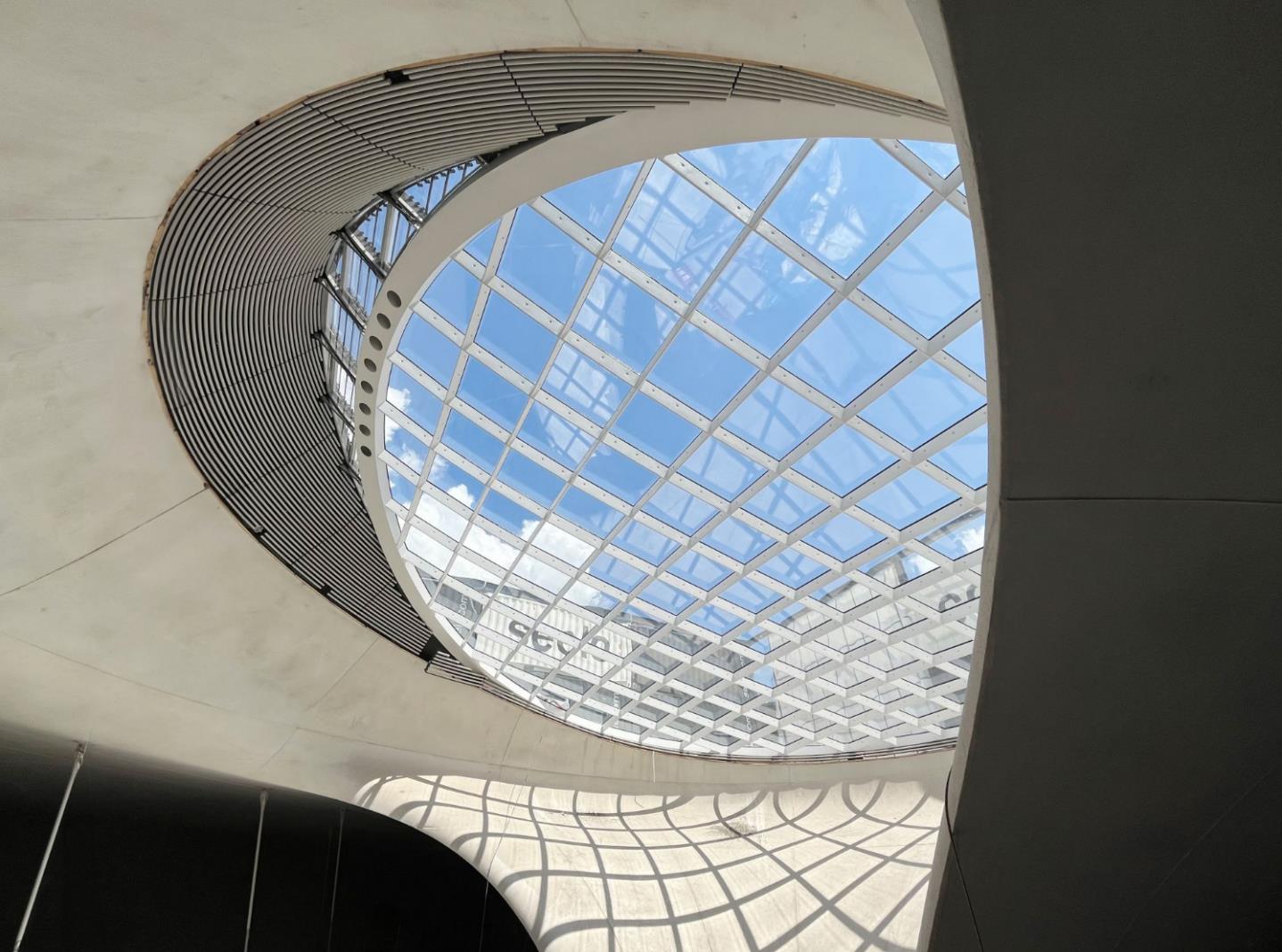
The S21 railway project requires a large number of structural changes in Stuttgart, these include the construction of a new railway station. This new underground station consists of an approx. 447 m long and 80 m wide hall - a shell structure supported by so-called 28 chalice-shaped columns based on a design concept by Christoph Ingenhoven together with Frei Otto. The chalice concrete columns are open at the top and covered by steel-glass structures known as the so-called light eyes. The light eyes allow daylight to flood deep into the underground platform hall and minimizing artificial...
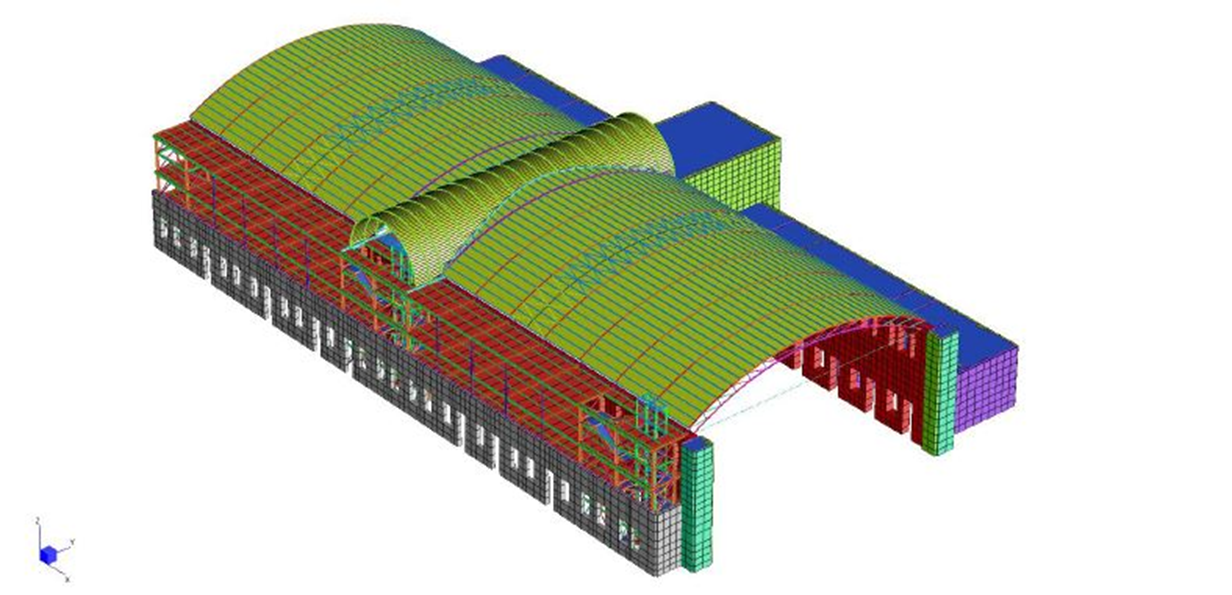
The retrofit and requalification of the historic Campo Marzio railway station in Trieste (Italy) includes the reconstruction of its former vaulted glass roof, a suspended pedestrian walkway to host a restaurant, and a new main façade. The new steel and glass structures reinterpret the original early-20th-century layout through lightweight reticular arches and cold-bent laminated glass panels. The structural verification of the glass components involved seven different typologies for curved and planar panes, which were designed by means of dedicated FEM analyses. The dynamic response of...
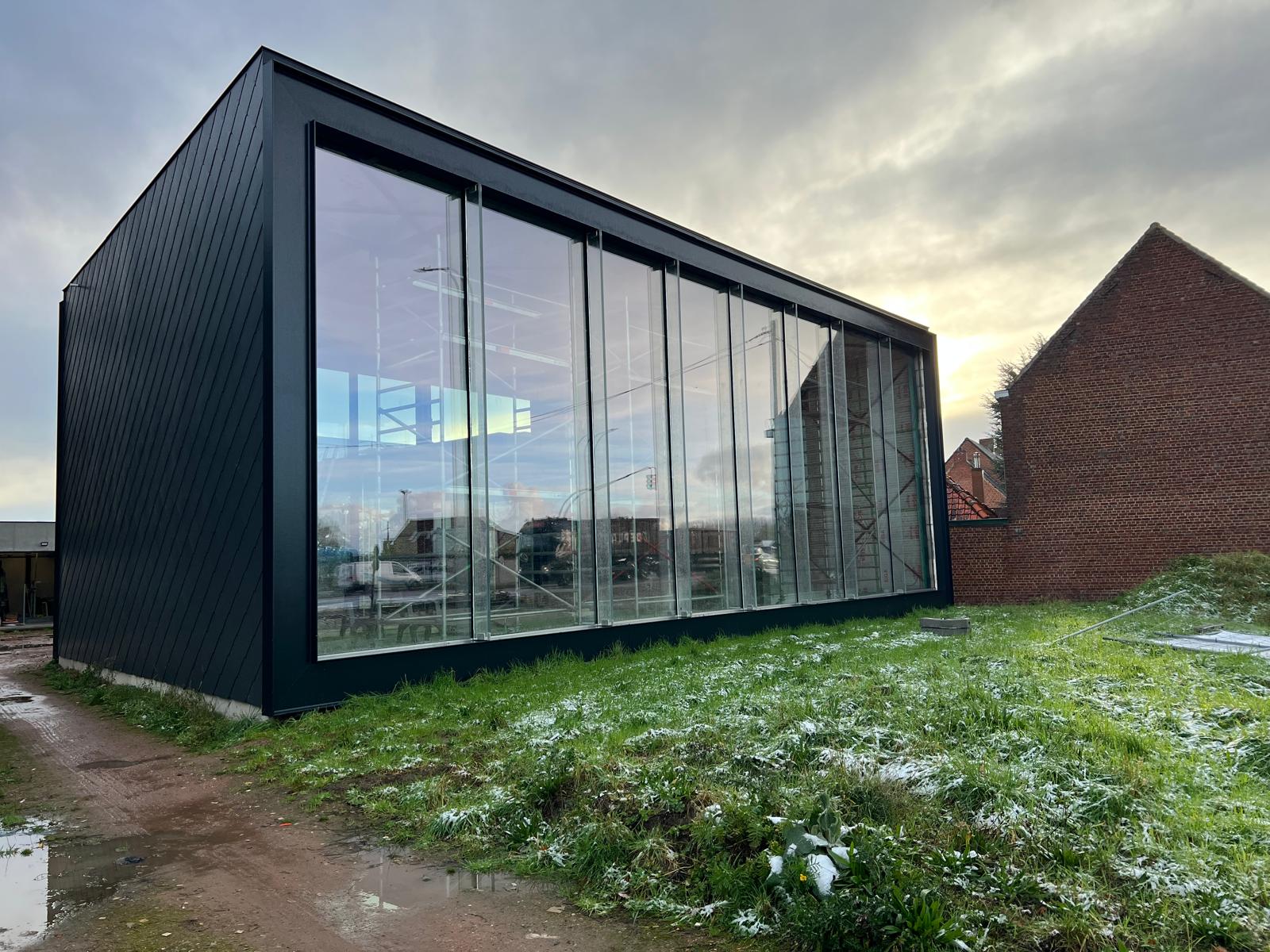
Vitroplena has designed and engineered the Glass Quarters, its new headquarters dedicated to commercial operations and research in structural glass applications. The architectural concept is defined by a transparent, see through volume enclosed by opaque side walls and roof elements, with fully glazed front and rear façades. The front façade consists of 6 m high insulated glass units (IGUs) structurally bonded to 260 mm deep glass fins. The rear façade employs a conventional aluminium curtain wall system with IGU infills. The interior features an open plan office supported by all glass...

The artist Sarah Oppenheimer has designed a dynamic glass sculpture titled “N-05001” to inhabit the newly renovated Metropolitan Warehouse at the Massachusetts Institute of Technology. This immense warehouse facility, the Met, was originally constructed in stages between 1894 and 1916, and has been repurposed into the new home for MIT’s School of Architecture, with Diller Scofidio + Renfro as the design Architect. The renovation includes four new atriums running from ground to roof levels that cut directly through the core of the existing building, exposing century-old structural layers...
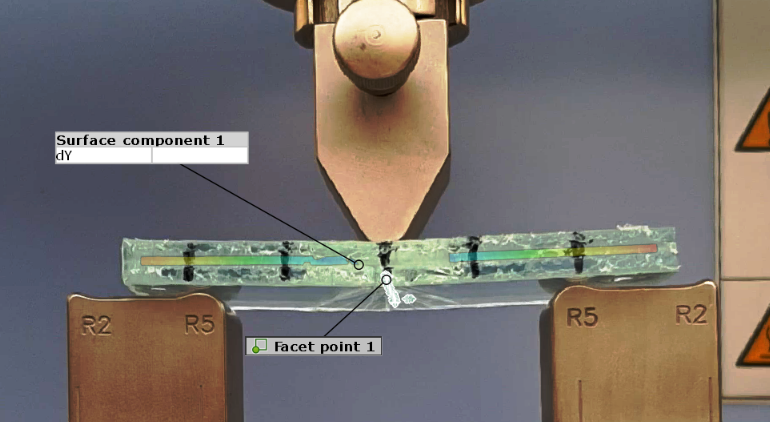
The post-breakage security and structural safety analysis and quantification for laminated glass (LG) elements in constructions is a critical issue, and a rather challenging task, due to many influencing parameters and interconnected aspects that are hard to control and quantify. From a practical point of view, among many others, the glass type (and thus the associated size and shape of shards) is one of the most important influencing parameters for the residual capacity assessment in case of damage. The quantification of this residual capacity is carried out in this paper by introducing...
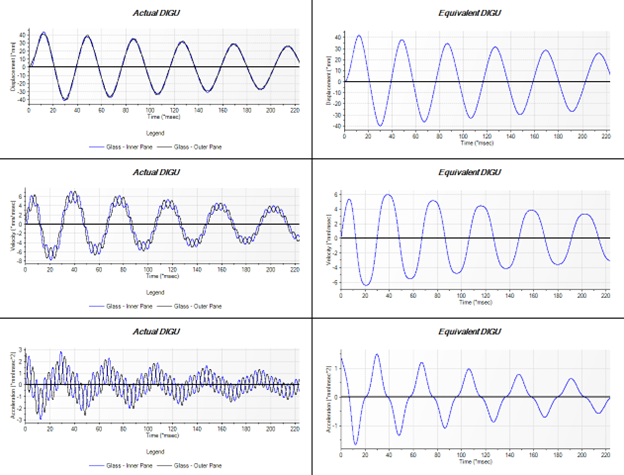
Triple-insulated glazing units (TGUs) are an emerging class of architectural glazing systems offering compact configurations, superior energy efficiency, and enhanced thermal performance while exhibiting high blast resistance capabilities. Despite the growing adoption of TGUs in critical infrastructure and high-risk facilities, there remains a lack of widely available modelling tools capable of efficiently predicting their nonlinear dynamic response under blast loading. Although well-established for modeling monolithic and double-insulated glazing unit (DGU) systems to blast loading,...
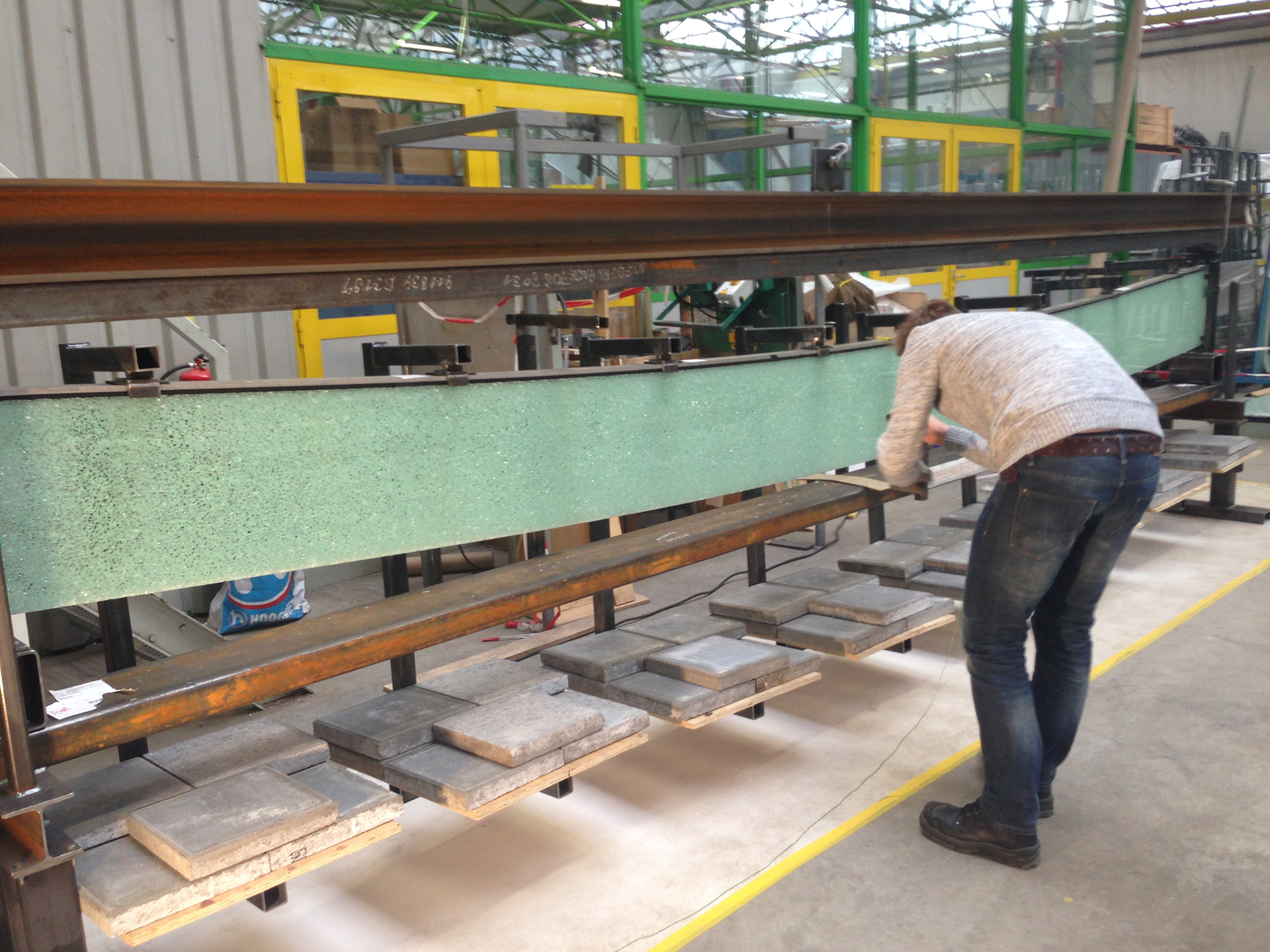
The increasing use of all-glass structures has been enabled by advances in glass manufacturing, allowing glass beams to be employed as primary load-bearing elements. Owing to the intrinsic brittleness of glass and the absence of visible pre-failure indicators, ensuring adequate post-fracture behaviour is essential to maintain structural integrity and prevent progressive collapse. This paper presents an experimental investigation into the post-fracture behaviour of four full-scale glass beams from realised projects constructed between 2012 and 2026 in Ireland, France and Italy. The study...
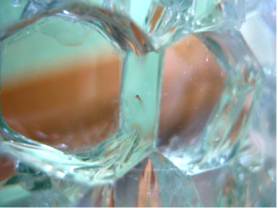
Spontaneous glass breakage of thermally toughened glass due to Nickel Sulphide (NiS) inclusions can be largely prevented by a preliminary Heat Soak Test (HST) (Kasper 2018a). This well-established test has been standardised in the EU Norm EN 14179-1:2005. However, according to literature (Kasper – Rubbert 2020), there is a small theoretical probability, that a potentially dangerous inclusion could lead to a breakage even after a well-conducted HST-test. In this paper, a statistical approach will be used to explain the level of residual risk of having a spontaneous...
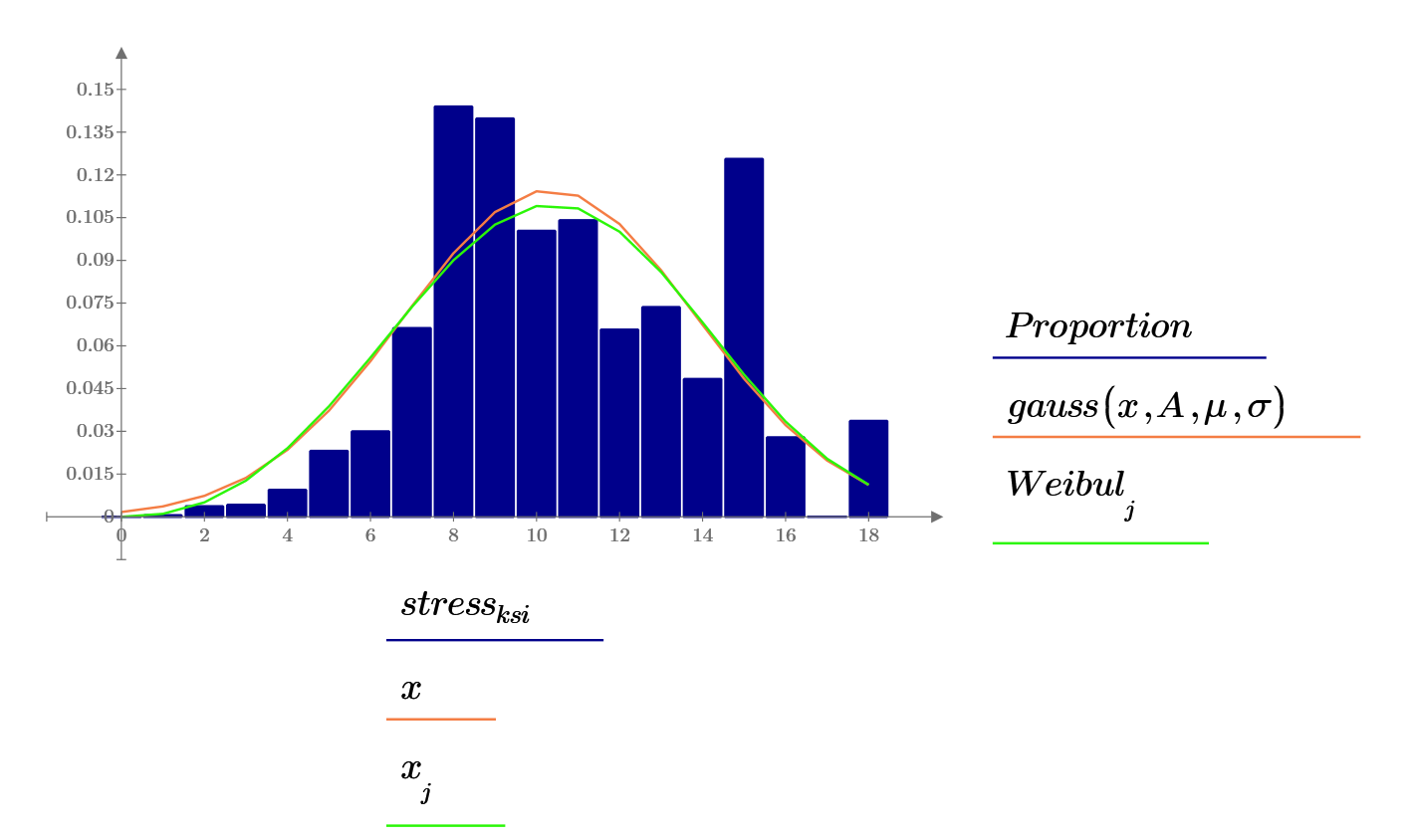
The design strength models in glass standards have evolved through a range of methodologies, each shaped by the assumptions and data sets available at the time. As there is no ideal model for all situations, new strength prediction models continue to evolve. This paper explores why stress probability integrals are useful for window glass and peak-stress based approaches are more suitable for structural applications, as well as why there is such a range of criteria published. (Can the mean modulus of rupture be 41 MPa (AAMA CW-19) if the 5% fractile characteristic strength is 45 MPa -- EN...
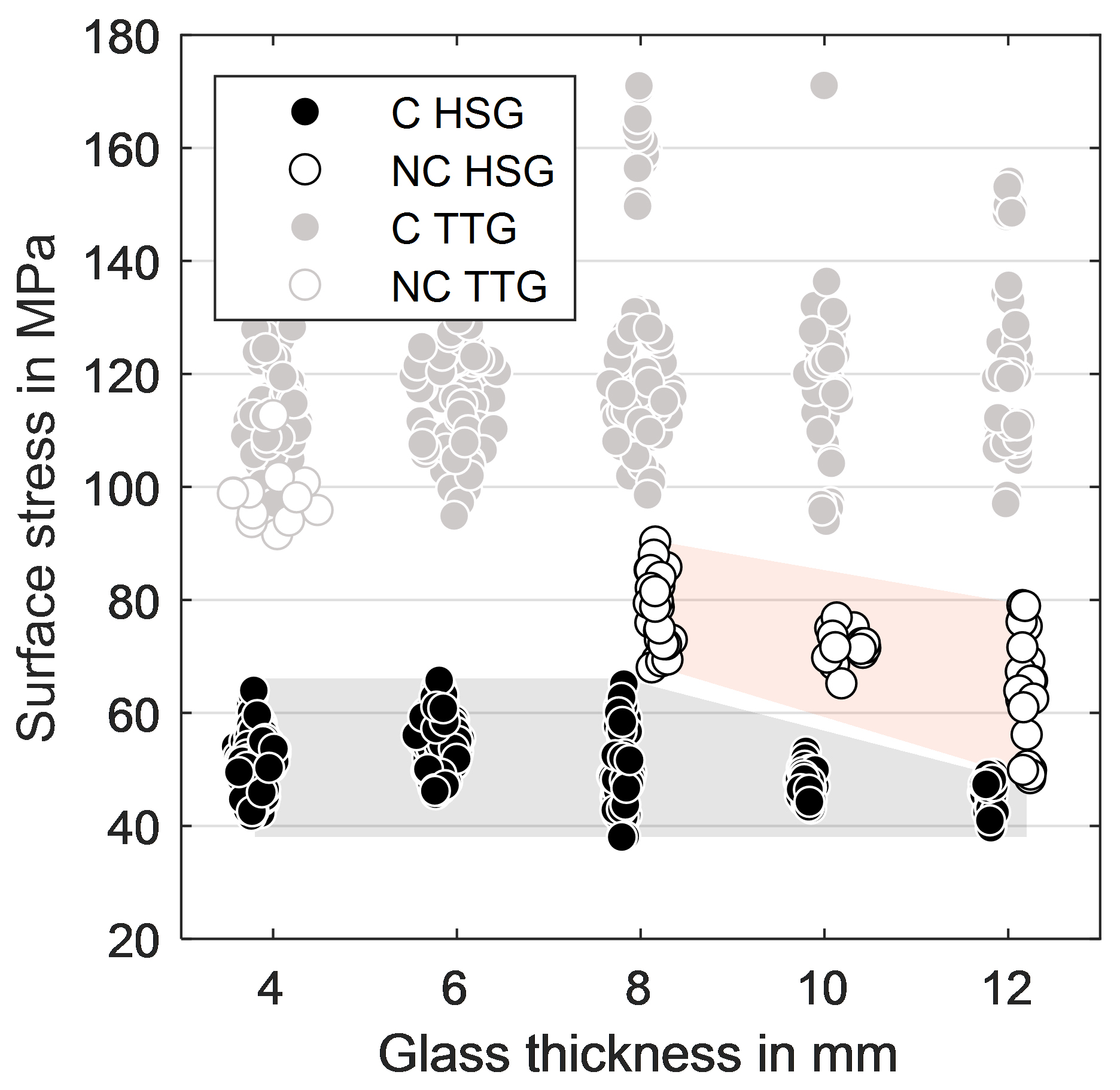
Heat-strengthened glass requires a carefully controlled tempering process to achieve the desired residual stress state. On the one hand, the required bending strength of 70 MPa must be ensured. On the other hand, the characteristic, coarse fracture pattern of heat-strengthened glass must be maintained so that laminated glass elements retain residual load-bearing capacity after breakage. In current quality control procedures, these requirements are typically verified by destructive testing. Photoelastic measurement of residual stresses provides a non-destructive method for evaluating the...
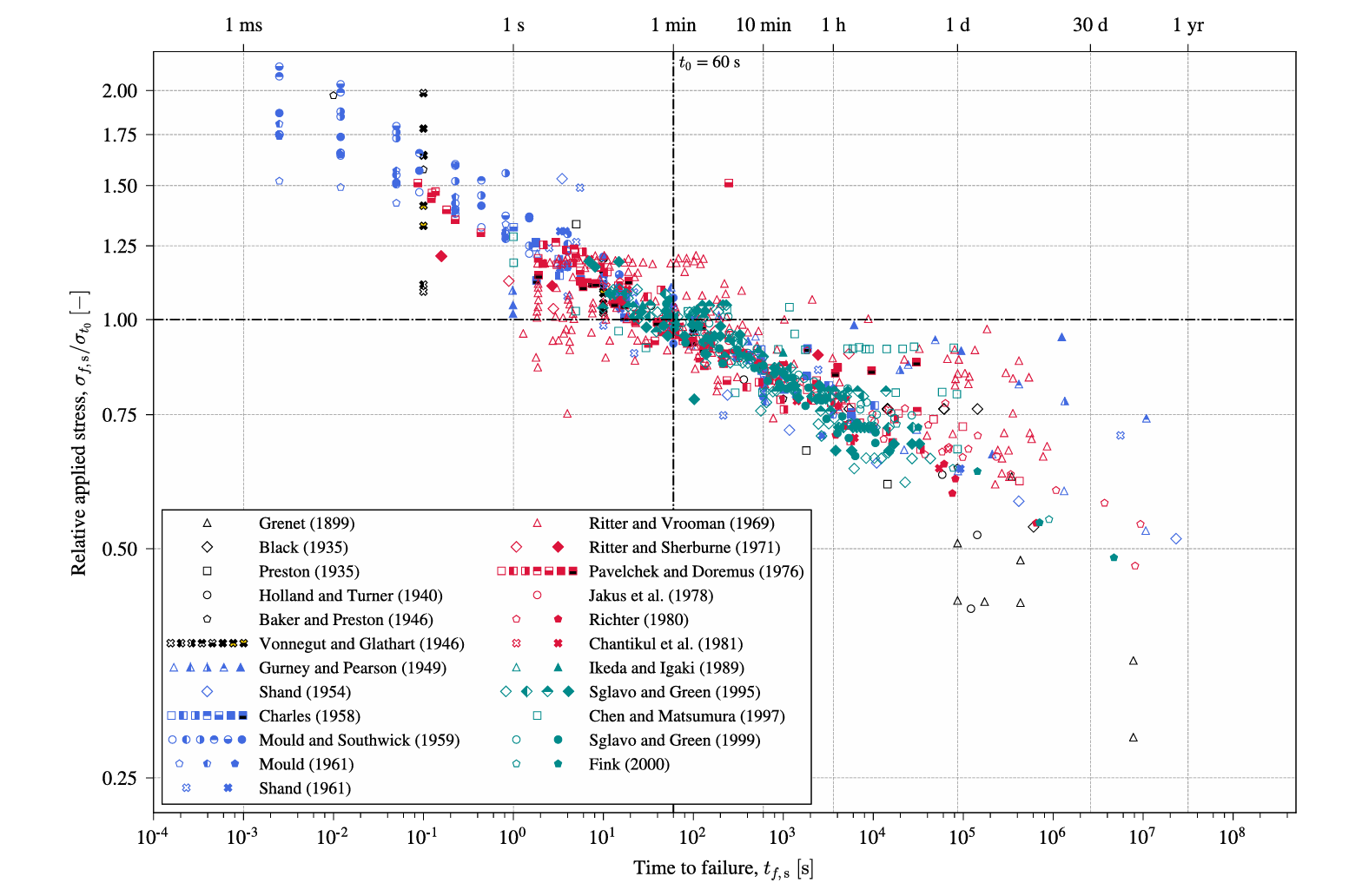
Glass design standards include an allowance for load duration but are silent on the capacity of glass immediately following a near-design-duration load event and the capacity to sustain subsequent loading. They treat loading events as isolated occurrences rather than cumulative phenomena. Typically, wind loads are treated as 3 second load duration, regardless of the type of storm or the associated gust patterns and cumulative duration. For this to be true, the glass must heal somewhat between the loading events, if not to the level of fresh glass, then healing to the level of surface...
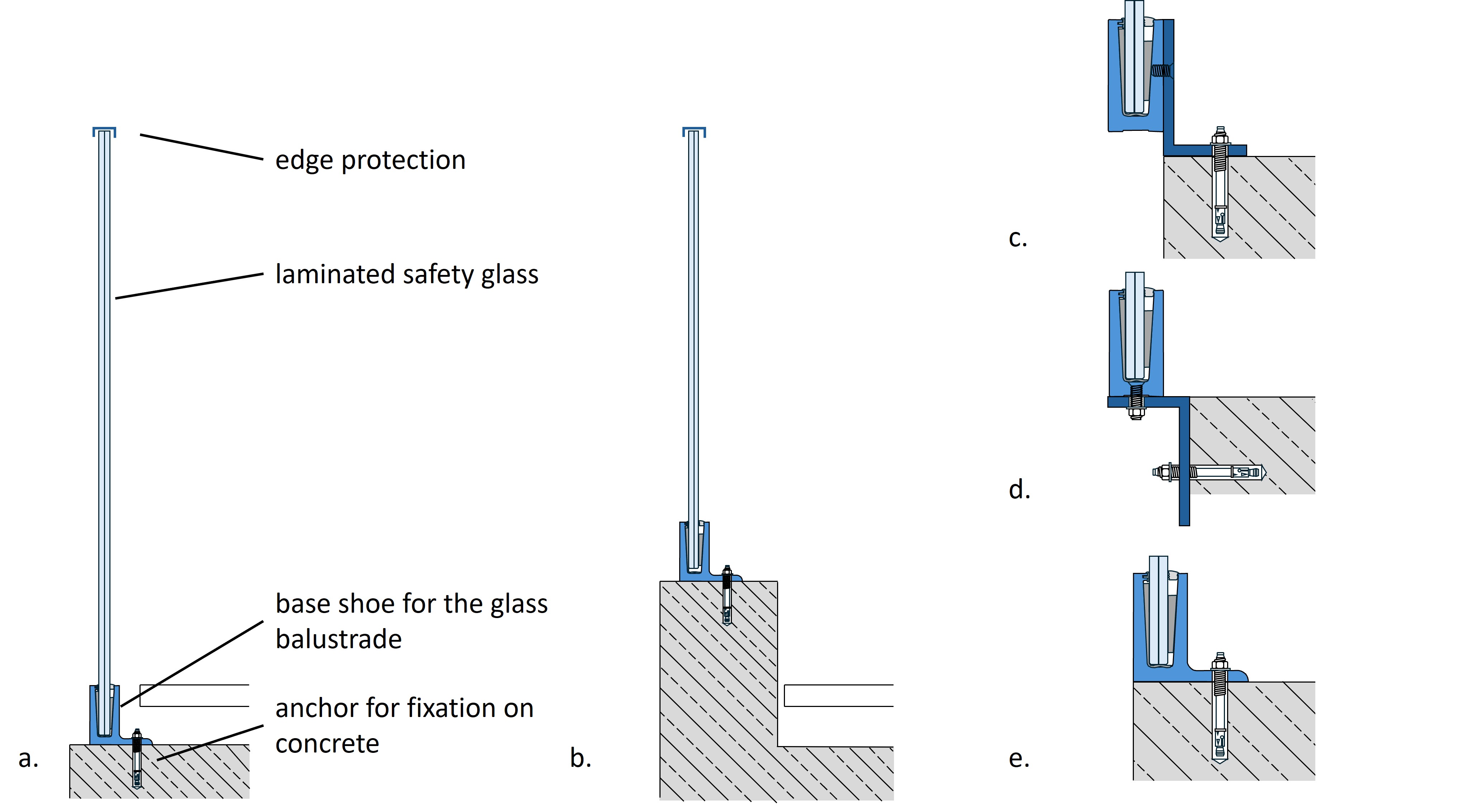
Transparency is considered a defining feature of contemporary architecture, both in social housing and single-family homes. Glass balustrades are gaining increasing importance as they combine functionality, safety, and aesthetic lightness. Particularly popular are all-glass balustrades with bottom edge clamping, which do not require visible steel posts or profiles, contributing to a clear and minimalist architectural expression. Despite their filigree appearance, these constructions must meet high safety and structural requirements. With the ongoing development of relevant standards and...
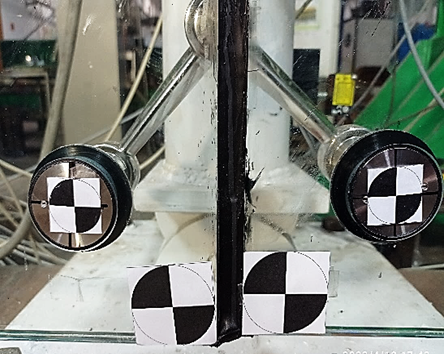
This paper presents the outcomes of a full-scale experimental and numerical investigation on the in-plane cyclic response of point-fixed glass façade systems (PFGFS). Two façade prototypes with different connector types—fully drilled countersunk bolts and partially embedded bolts—were tested under quasi-static reversed loading to evaluate their drift capacity and post-fracture performance. The 3×3 panel configurations exhibited stable cyclic behaviour with maximum drift ratios near 2%, exceeding current code limits for non-structural ductile elements. Damage progression was governed by...
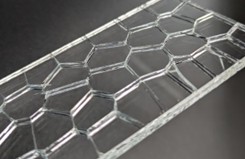
Laminated safety glass (LSG) maintains structural integrity after fracture due to the adhesion of glass fragments to the polymer interlayer, providing a residual load-bearing capacity that is crucial for safety in architectural and vehicular applications. Understanding this post-fracture behaviour is essential for ensuring structural safety, yet the influence of crack geometry on the mechanical response of fractured LSG has not been systematically investigated so far. This study investigates the influence of distinct crack constellations on the residual stiffness of fractured LSG using...
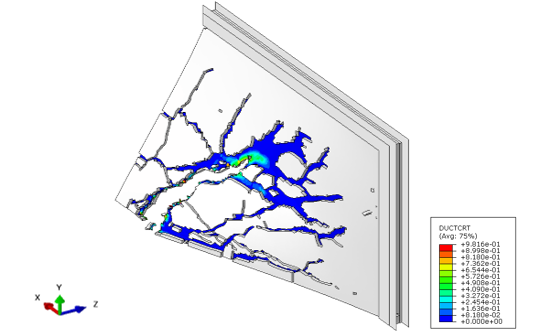
This paper presents a numerical study on the resistance of windows with Anti-Shatter Film (ASF) against explosive loading. The evolving terrorism threat, particularly the increased use of drone-borne explosives, put an emphasis on appropriate window protection. This calls for a specific focus on blast load scenarios against glass facades. In this paper, attention is given to the blast response of traditional monolithic glass windows, and a reference system with 6 mm thickness (1590 mm × 1190 mm the dimensions) is taken into account. Introducing a 0.15 mm thick ASF. Initially, the effects...
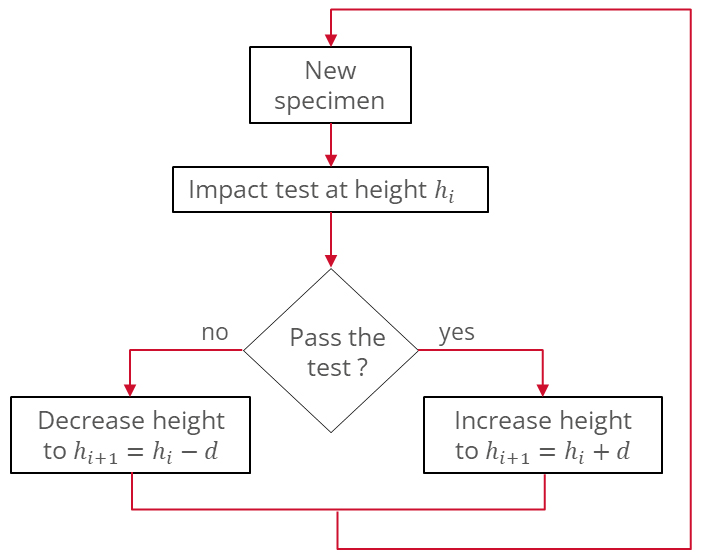
When a building glazing requires enhanced safety, security, or resistance to extreme weather conditions, laminated glass is typically the solution of choice. This type of glass is generally composed of two sheets of float glass bonded together with a polyvinyl butyral (PVB) interlayer. While float glass thickness is usually a multiple of one millimeter, PVB layers are commonly available in fractional inch measurements (e.g., 0.38 mm, 0.76 mm). However, there is no inherent reason why optimal laminated glass configurations must adhere to these standard thicknesses. By thoroughly testing...
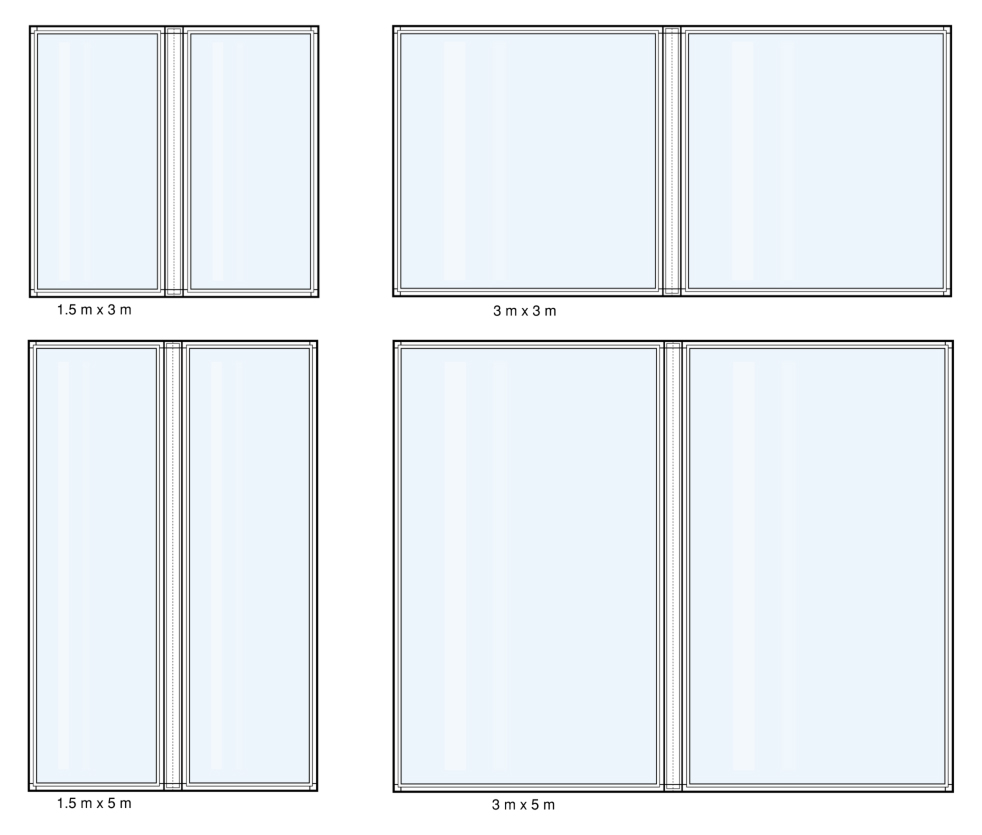
Advances in blast-resistant glazing have shifted critical design demands to supporting frames, where aluminum mullions may govern façade failure under elevated blast-induced reactions. Ensuring compatibility between glazing capacity and framing performance is essential to achieve balanced, capacity-based façade design and prevent disproportionate damage. This study investigates blast load transfer at the glazing–mullion interface by quantifying demand-to-capacity ratios for aluminum mullions, steel-retrofitted aluminum mullions, and structural steel mullions across varying glazing panel...
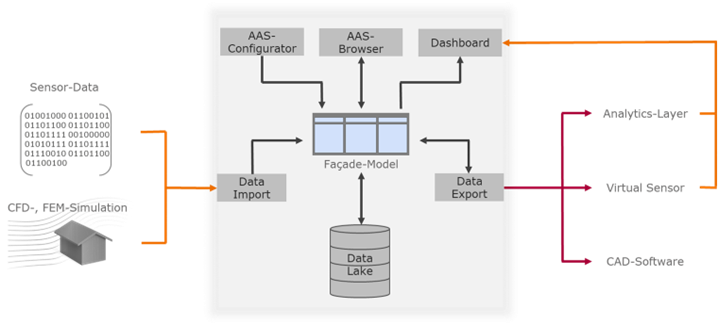
In recent decades, the proportion of glass façades in architecture has risen markedly, from complex structures to standardised system solutions. This trend has generated interest in using glass not only as a transparent cladding material but also as a key component of the building's supporting framework, enhancing its overall stiffness. At the University of the Bundeswehr Munich (UniBw M), research is ongoing to understand how glazed elements behave under stress, with the aim of exploring their capacity to develop effective shear and in-plane stiffness. Large-scale tests show that with...
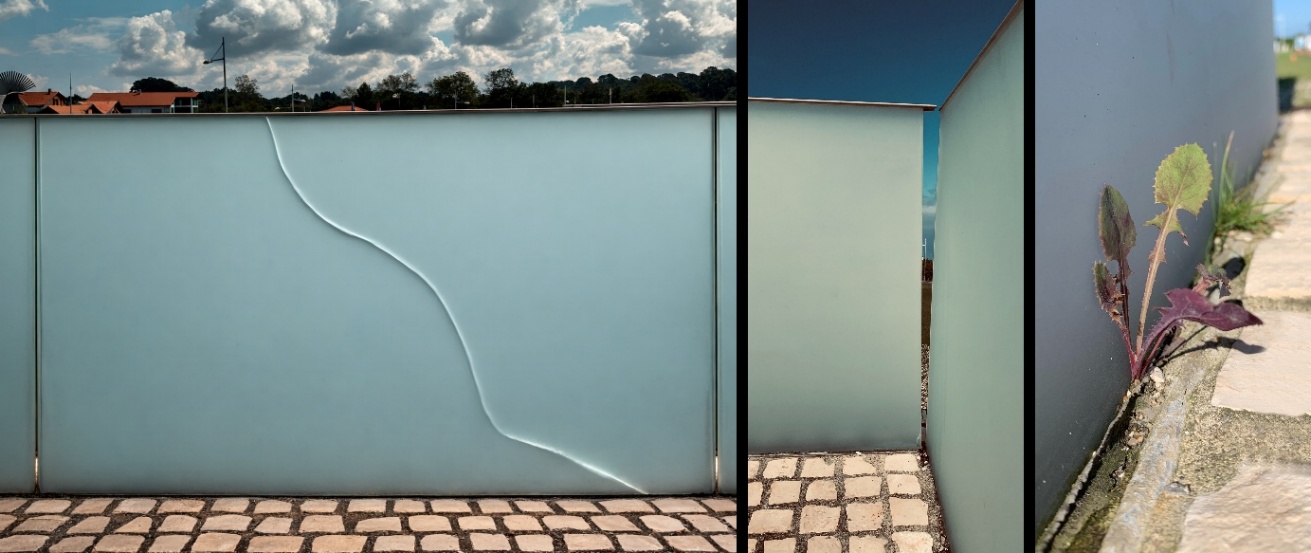
All-glass railings have become indispensable in modern architecture. They combine aesthetics and safety but place high demands on design and fastening. While pendulum impact tests and static calculations demonstrate basic safety, serviceability is often overlooked. A railing must return to its original position after loads such as wind or impact. In practice, however, certain systems do not fully return to their initial position. Wedges, rubber components or movable bearings shift, leaving railings permanently inclined - often misinterpreted as poor installation...
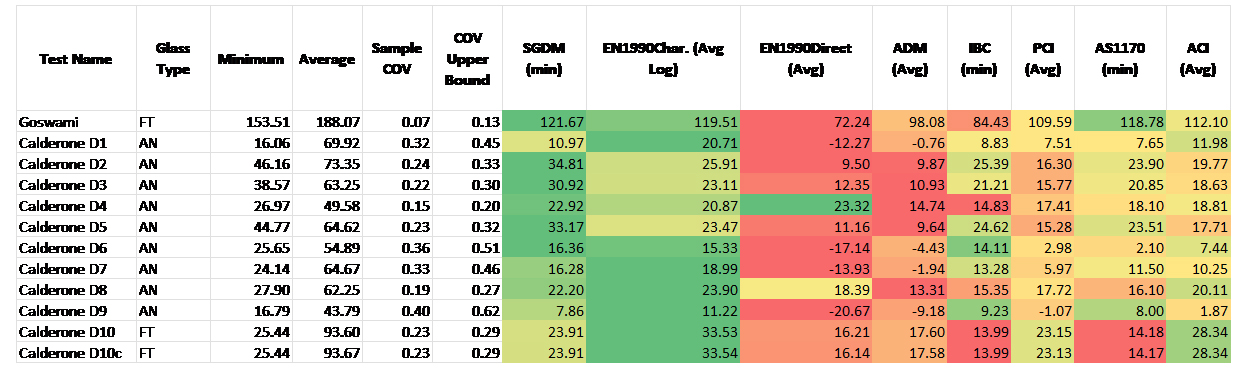
The engineering of structural systems can be performed by more than one method. Design standards with equations for the applicable limit states are available for most structural materials and remain the most common approach. “Rational analysis” based on published papers and engineering fundamentals is another approach used where there are gaps in the local codes and standards. Another method is “design by testing” which can be an effective approach to optimize the design and calibrate the limit state if used correctly. However, as our standards have been advanced to cover more of the...
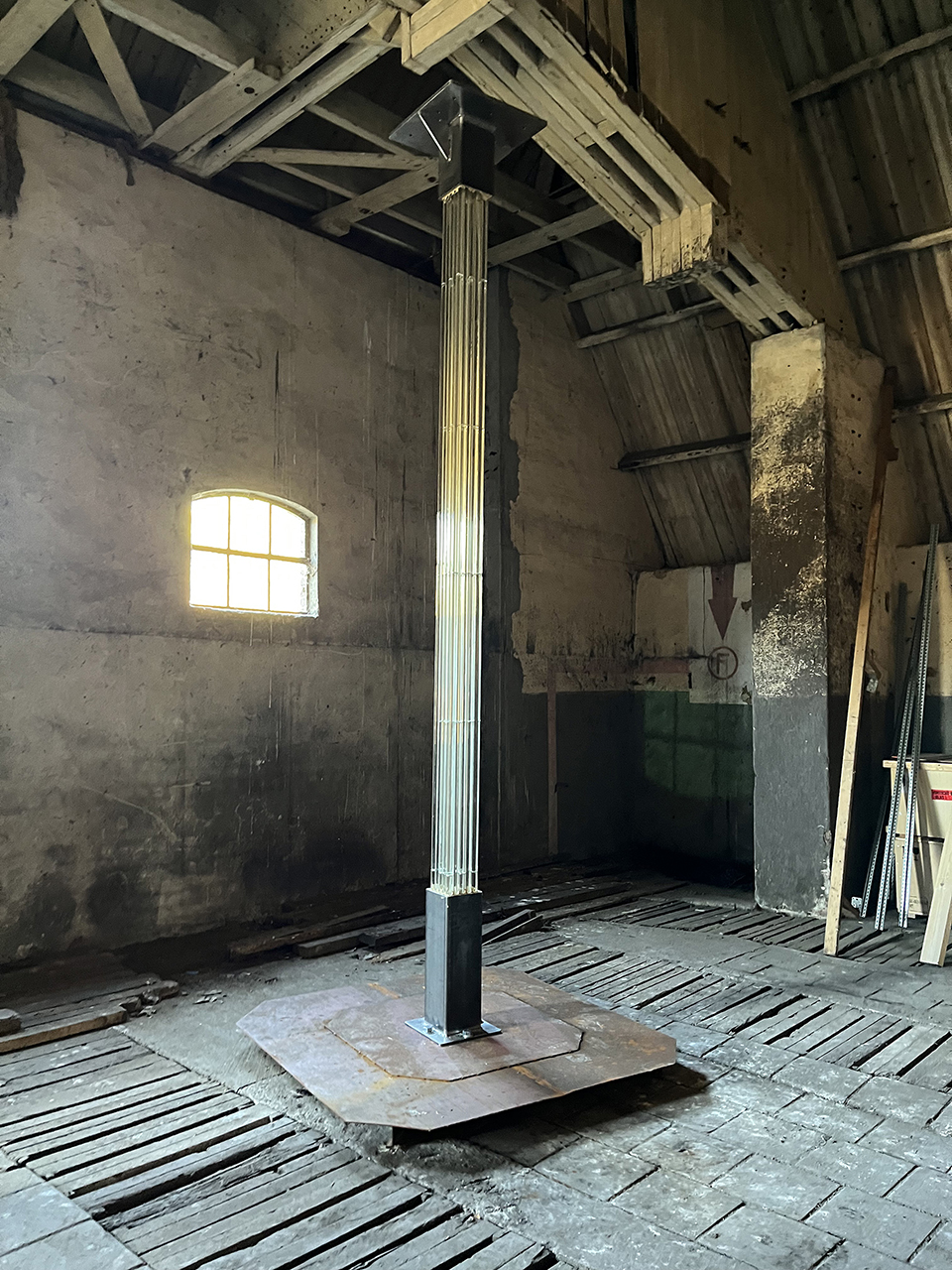
In the woods / heather fields north of Arnhem (NL) the German invaders built in 1941 a complete new airfield called Deelen. To allow the airplanes being driven into the maintenance hangars an ingenious wooden roof structure was developed that enabled the complete front wall of the hangar building to be removed. After the World War II this hangar functioned as a storage room for potatoes. Maintenance was minimal resulting in 2010 in a seriously endangered condition of this building. In the meantime the buildings of the old airfield were declared historic monuments. Minimal repairs were...
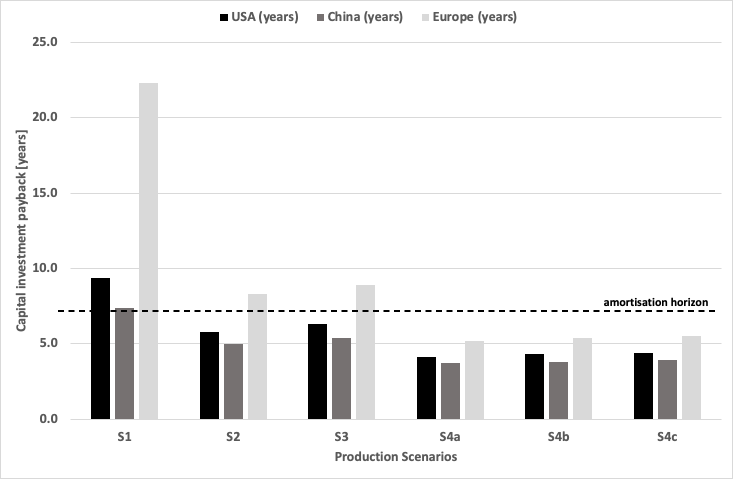
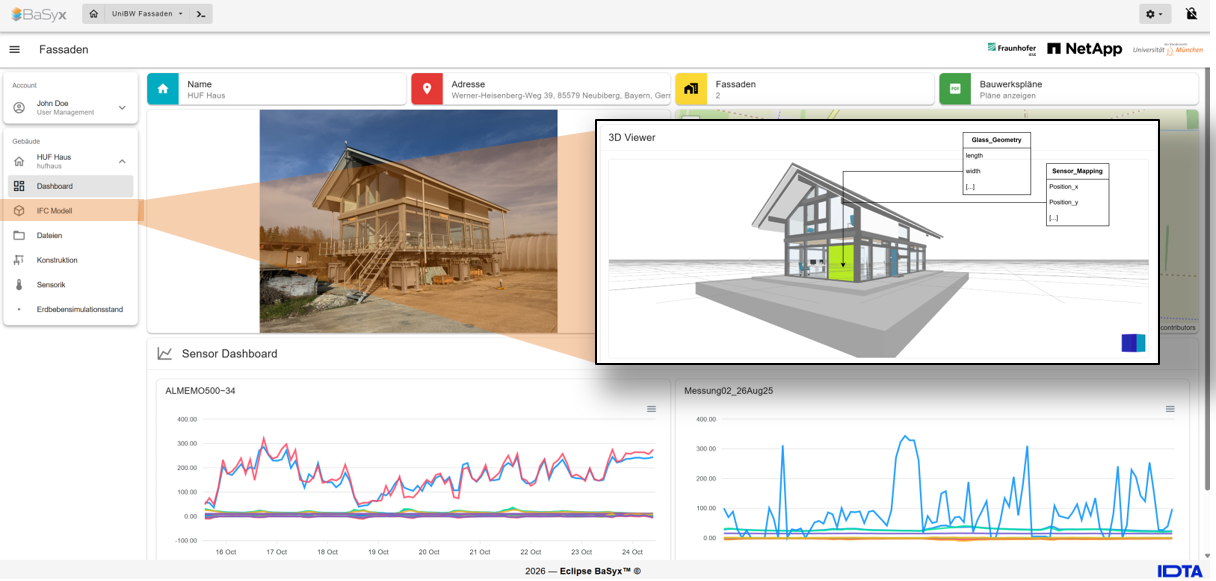
The integration of digital twin concepts into glass-intensive building structures offers new perspectives and challenges for structural validation and monitoring. This contribution presents an adaptation of the standardized Asset Administration Shell (AAS) to a full-scale experimental timber–glass building subjected to seismic excitation at the University of the Bundeswehr Munich (UniBw M). The structure features load-bearing glazing panels acting as horizontal bracing elements within a timber frame system. A hierarchical AAS-based architecture is introduced in which structurally...
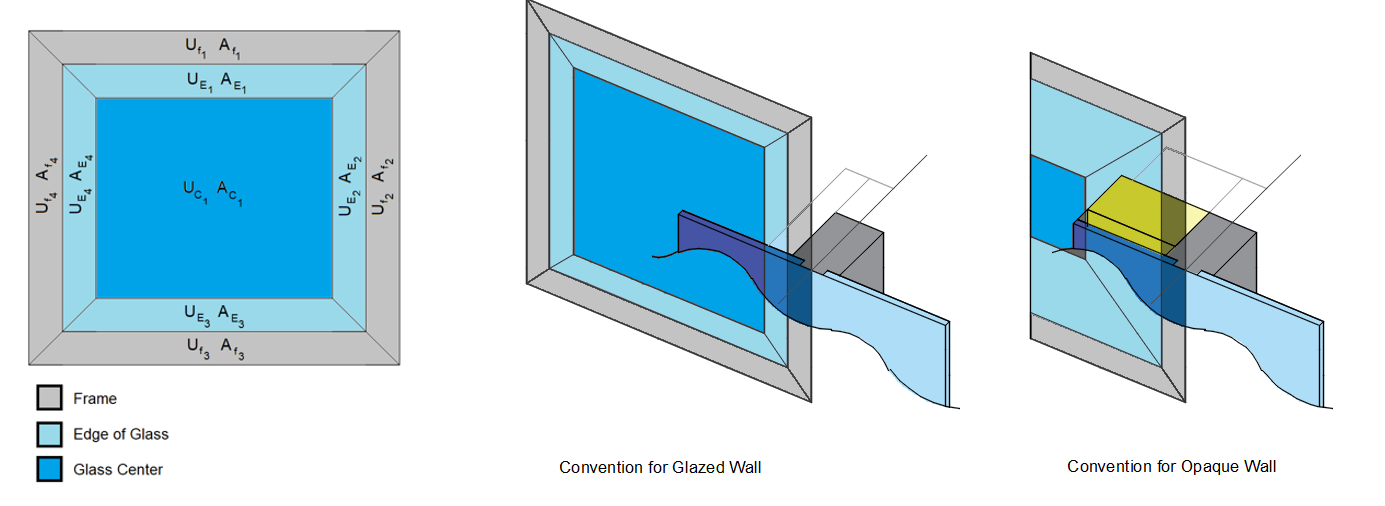
Strategies for reducing carbon emissions associated with commercial buildings are realized by either tracking emissions that correspond to the production, installation and replacement of building materials or tracking emissions that correspond to the occupied use of the building through utility monitoring. These approaches are distinguished respectively as considering “embodied” and “operational” carbon. The focus of this paper is to...
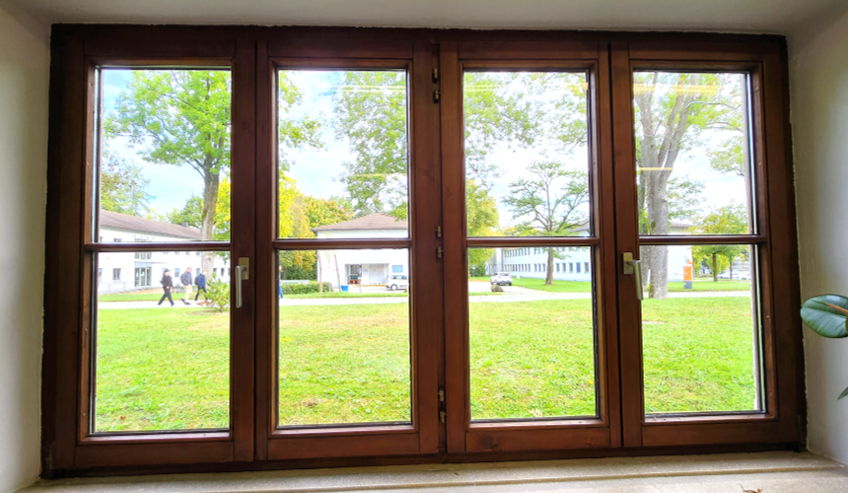
Existing windows are often equipped with IGU (Insulation Glass Units) glazing of low thermal performance. A change of several decades old IGU glazing with an up-to-date triple IGU is often not possible due to geometry (thickness) or restricted load carrying capacity of existing window frames and its hardware. Using VIG (Vacuum Insulation Glazing) with thickness and weight comparable or even less to "old" IGU can overcome these obstacles. Within a scientific campaign several decades old standard IGU was replaced by VIG in an office building. The paper shows aspects of workmanship in...
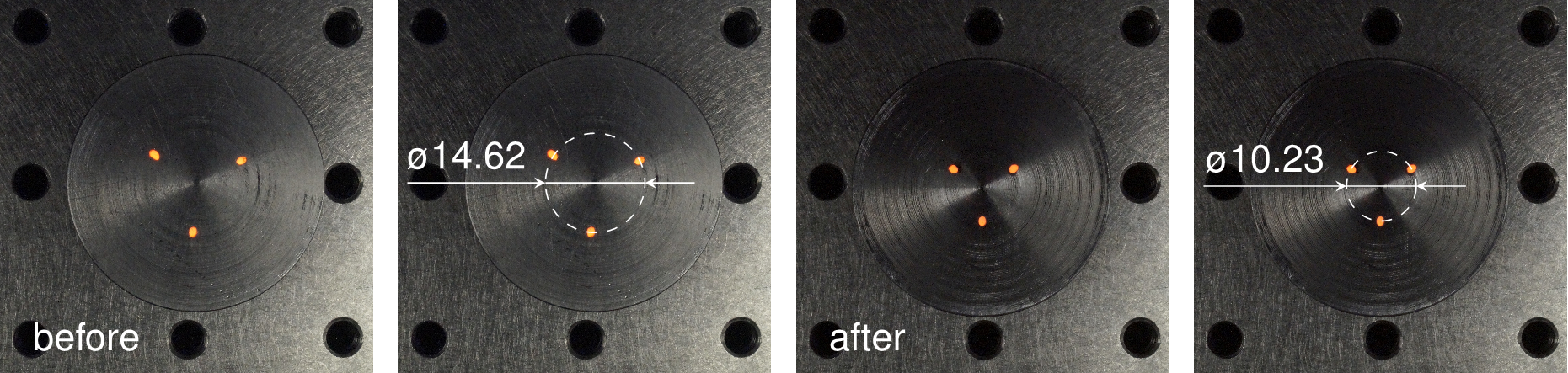
Glass, in particular borate glass, is not only a very robust and hard material, but also offers good solubility for lanthanide ions. The lanthanide ions serve as luminescence centres in the glass system and emit a characteristic luminescence when excited by light in the ultraviolet/blue spectral range. The triply ionized lanthanide europium (Eu3+) enables a very intense red luminescence that is clearly visible even under strong contaminated conditions. Such luminescent glasses can be integrated into metallic tools for non-destructive, optical wear measurements. For this, the...
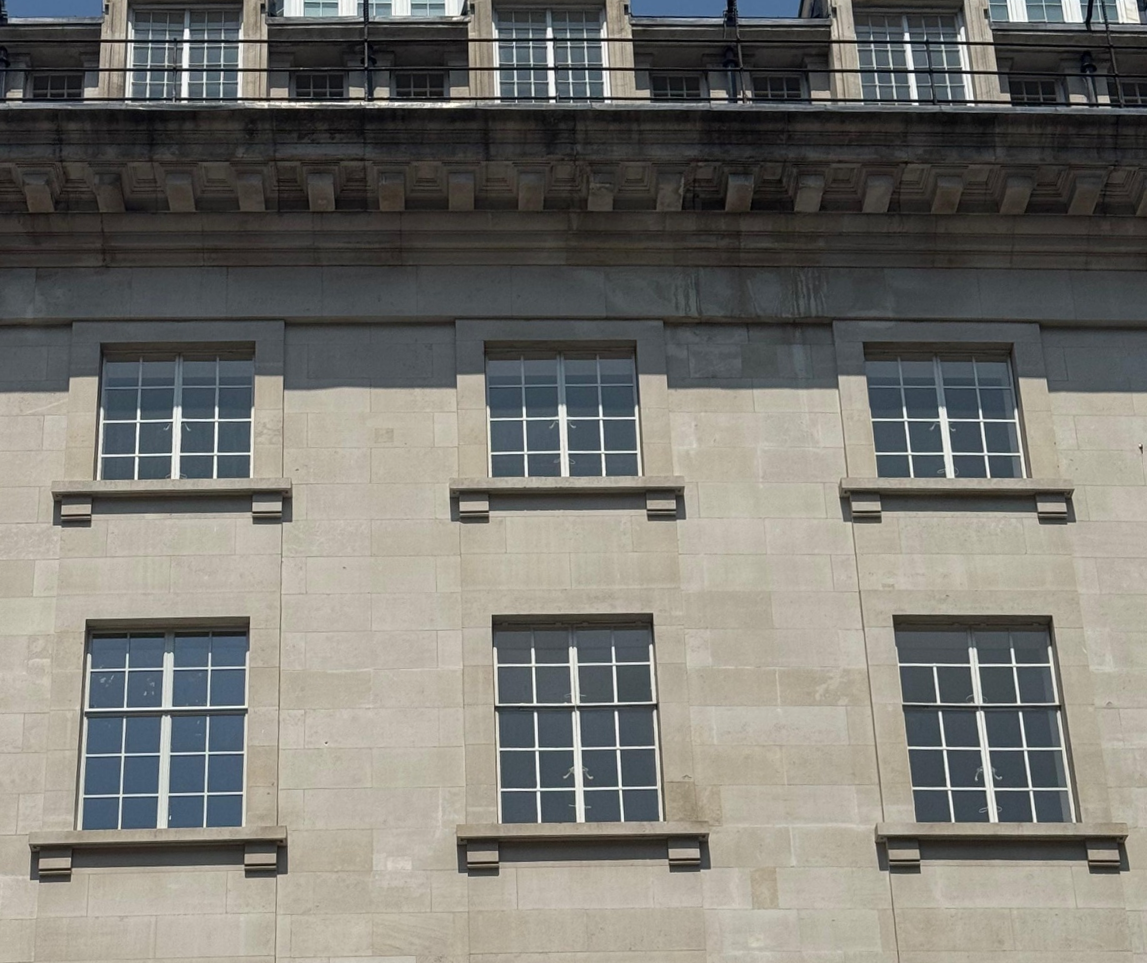
Net zero ambitions for London’s heritage buildings have long been constrained by conservation requirements that retain poorly performing historic windows or reliance on secondary glazing, limiting gains in thermal performance, airtightness, acoustics, and usability. Between the 1920s and 1960s, single-glazed, non-thermally broken rolled steel window profiles were widely used and are now valued for their slender sightlines and refined detailing. However, they perform poorly by modern standards. While modern systems offer significantly improved performance, they are typically considered...

As global demand for the high-emissions material of glass increases–especially in renewable energy infrastructure–there is a critical need to rethink and reform current practices. While large-scale industry adapts slowly, glass art presents a unique opportunity for agile innovation and leadership in sustainability. Sustainability in the artistic sector for smaller glass businesses is present in three sectors: production, innovation and themes/discourse. Trends in the increased usage of recyclable glass is most prominent in small businesses, often locally sourced. According to an ongoing...
The application submitted for "Challenging Glass Conference Proceedings" has been accepted for inclusion in DOAJ.
Read more about Challenging Glass Proceedings now in the DOAJ